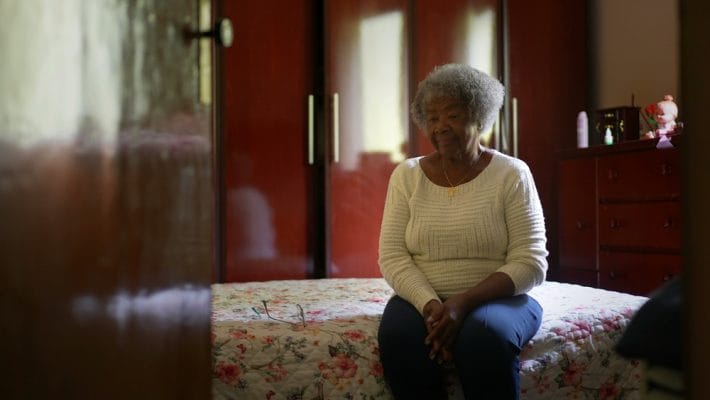
Holiday weekends can feel especially heavy for solo agers who are spending the day without nearby family, a spouse, or a packed dinner table. While many people scroll through cheerful social media photos of cookouts and family gatherings, older adults living alone may quietly wrestle with feelings of loneliness, grief, or emotional disconnection. Experts say these emotions are more common than many people realize, especially among adults over 50 who live independently or have lost close social connections over time. According to recent AARP research, roughly 40% of adults age 45 and older report experiencing loneliness, with many saying they feel isolated even when surrounded by others online. The good news is that meaningful social support does not always require a large family gathering, and several practical resources can help solo agers feel more connected starting this Monday.
1. Friendship Lines and Support Calls Can Provide Immediate Human Connection
One of the fastest ways to reduce loneliness is through consistent human conversation, even if it starts with a simple phone call. Programs like the Friendship Line operated by the Institute on Aging offer free emotional support specifically for older adults, caregivers, and adults with disabilities who may feel isolated or overwhelmed. The service operates 24 hours a day, which matters because loneliness often intensifies during evenings, weekends, and holidays when regular routines disappear. Many solo agers hesitate to use support hotlines because they assume the service is only for people in severe crisis, but trained volunteers say many callers simply need someone to talk to during emotionally difficult moments. For retirees living alone, having a reliable support number saved in their phone can provide reassurance and reduce the feeling that they must manage loneliness entirely on their own.
2. Community Programs and Volunteer Groups Help Build Purpose
Loneliness often grows when people lose a sense of routine, purpose, or belonging within their community. Organizations connected to AARP Foundation and local senior centers now offer programs that encourage older adults to volunteer, mentor children, participate in tax assistance programs, or join group activities that create repeated social interaction. Researchers increasingly believe these repeated social routines matter more than occasional large gatherings because consistent interaction helps relationships grow naturally over time. One retiree who volunteered twice weekly at a literacy program described the experience as “having somewhere to be where people expect me,” which is a powerful emotional anchor for many solo agers. Even small commitments such as attending a weekly walking group, library discussion, church breakfast, or craft meetup can slowly strengthen a person’s social support system while reducing feelings tied to the holiday “empty seat.”
3. Online Connection Tools Can Help — But They Need Boundaries
Technology has become a lifeline for many older adults, especially those with mobility limitations or long-distance families. Video chats, online hobby groups, virtual fitness classes, and social platforms can all help solo agers maintain regular contact and reduce isolation when used intentionally. However, experts also warn that passive scrolling through social media can actually worsen loneliness by making people feel excluded from other people’s celebrations and relationships. Recent discussions around loneliness in 2026 have highlighted how modern life creates more digital interaction but often less meaningful belonging, especially when online engagement replaces real-world connection entirely. Solo agers may benefit most from technology when it supports active interaction, such as joining live video discussions, participating in online classes, or scheduling recurring calls with friends and relatives rather than endlessly consuming content alone.
Social Support Is Just as Important as Financial Security
Many retirees spend years planning for healthcare costs, housing expenses, and investment strategies, but far fewer prepare intentionally for social connection later in life. The reality is that solo aging does not automatically mean loneliness, especially when older adults actively build routines, friendships, and community involvement before isolation deepens. Resources like friendship hotlines, volunteer programs, and community organizations are becoming increasingly important as more Americans age alone or live far from family support systems. Experts continue to stress that meaningful social support can improve emotional health, physical wellness, confidence, and even financial decision-making for older adults. This Monday may still include an “empty seat” for some solo agers, but it does not have to become a symbol of disconnection or hopelessness.
What strategies or resources have helped you or someone you know feel more connected during holidays spent alone? Share your thoughts in the comments below.
What to Read Next
7 Mental Health Supports for Seniors That Are Easier to Access Than You Think

Amanda Blankenship is the Chief Editor for District Media. With a BA in journalism from Wingate University, she frequently writes for a handful of websites and loves to share her own personal finance story with others. When she isn’t typing away at her desk, she enjoys spending time with her daughter, son, husband, and dog. During her free time, you’re likely to find her with her nose in a book, hiking, or playing RPG video games.
Read More


As the largest U.S. retailer, many people rely on Walmart for their basics and household…

For many older adults, Medicaid is the only way to afford long-term care, whether it’s…

For some people, ordering pizza on holidays is more convenient and allows more time…

If you're in charge of grocery shopping for your household, it's extremely important to…

Are you planning a grocery shopping trip to Aldi? Make sure it's open first. Check…

Should you rely only on social security benefits in retirement? The answer is probably no.…
Comments