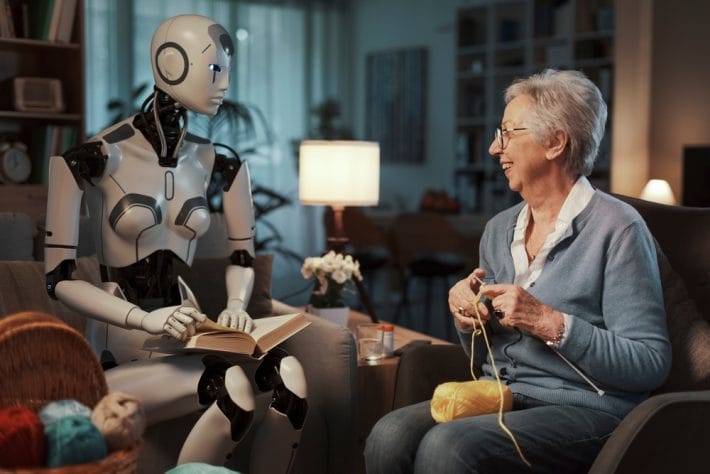
For many families caring for aging loved ones, loneliness and emotional distress can become just as difficult as physical health challenges. That is one reason robotic companion devices like PARO, ElliQ, and other “carebots” are appearing more frequently in home care settings across the United States and abroad. These devices are designed to provide emotional comfort, gentle interaction, reminders, and social engagement for older adults living alone or coping with dementia and cognitive decline. Unlike industrial robots, carebots are built specifically to feel approachable, calming, and supportive in everyday life. As caregiver shortages continue worsening, robotic companion technology is increasingly being viewed as a supplement to human care rather than just a futuristic novelty. Here’s what you need to know about this fascinating trend.
PARO Was Designed to Mimic the Benefits of Animal Therapy
One of the most recognizable carebots is PARO, a robotic baby harp seal developed in Japan for dementia and eldercare therapy. PARO responds to touch, sound, and interaction by moving, blinking, and making gentle sounds designed to calm users.
Researchers originally created the device to replicate the emotional benefits of animal-assisted therapy without concerns involving allergies, bites, or the responsibility of caring for a live pet. Studies involving dementia patients have shown PARO may help reduce stress, agitation, and anxiety in some care environments.
Families often describe the device as comforting because it encourages nurturing behavior and creates moments of emotional connection for seniors who may feel isolated.
Caregiver Shortages Are Driving Interest in Carebots
Another major reason carebots are gaining popularity involves the growing shortage of professional caregivers worldwide. Aging populations in countries like Japan and the United States are placing enormous strain on home healthcare systems and long-term care facilities. Robots are increasingly being used to help reduce emotional isolation between caregiver visits rather than replace human caregivers entirely. Devices like ElliQ can initiate conversations, suggest activities, and remind seniors to take medications or contact family members.
Some Research Shows Reduced Agitation in Dementia Patients
Clinical research surrounding carebots has expanded significantly over the past several years. Studies involving PARO and similar social robots have found measurable improvements in agitation, stress, and caregiver burden among some dementia patients. A randomized trial involving older adults with dementia found that more frequent PARO sessions helped reduce caregiver strain in group-home environments. Other reviews have linked robotic companion use to reductions in loneliness and behavioral symptoms associated with dementia.
While researchers caution that results vary from person to person, many caregivers say even temporary calming effects can make difficult days more manageable.
Families Are Using Carebots to Support Aging in Place
More seniors now want to remain in their homes as long as possible instead of moving into assisted living facilities. Carebots are becoming part of the broader “aging in place” movement because they can help maintain routines, encourage engagement, and reduce feelings of isolation. Some robotic companions offer medication reminders, wellness check-ins, video calling support, and conversational interaction tailored to older adults.
Families caring for relatives with memory issues often say robotic pets and companion devices provide comfort during long periods alone at home. These technologies are especially appealing for seniors who may not feel comfortable using smartphones or more complicated digital tools.
Cost Remains One of the Biggest Barriers
Even as interest grows, carebots remain expensive for many households. PARO units often cost between $5,000 and $7,000, depending on the provider and region. More affordable companion devices like ElliQ typically involve monthly subscription costs that can still add up over time. Families already facing rising home care expenses may struggle to justify another major technology purchase.
Carebots Are Expanding Because Emotional Support Matters Too
Loneliness, cognitive decline, caregiver shortages, and the desire to age in place are pushing more households to explore technologies that provide emotional comfort alongside practical support. Devices like PARO are not miracle cures, and they cannot replace human relationships or professional medical care. However, research and real-world experiences suggest robotic companions may offer meaningful emotional benefits for some seniors, particularly those living with dementia or isolation. As healthcare systems continue evolving, carebots are becoming less of a science-fiction idea and more of a practical tool that families are genuinely considering.
Would you feel comfortable using a robotic companion device for yourself or an aging loved one? Share your thoughts and experiences in the comments below.
What to Read Next
Later Daters: Why Most Seniors Say Companionship Matters More Than Marriage After Age 65
AI Health Companions: The $20 Tools Helping Seniors Stay Independent Longer

Drew Blankenship is a seasoned personal finance and lifestyle writer with more than a decade of professional writing experience crafting clear, actionable advice that helps savers and investors over 40 protect their wealth and make smarter everyday decisions. His bylines appear regularly on SavingAdvice.com, CleverDude.com, and other respected outlets, where he draws on deep industry knowledge to deliver practical insights on cost control, smart spending, and long-term financial security.
Read More


Christmas shopping is starting earlier. Meanwhile, women are finding it tougher to get back to…

Within the United States and Canada, there are over 60 dental schools which provide inexpensive…

Happy National Hair Day 2021! That's right, there's a day for that. October 1st is…

For millions of retirees, Medicare Advantage plans seem like the perfect solution–affordable premiums, bundled benefits,…

For many older adults, Medicaid is the only way to afford long-term care, whether it’s…

Did you know that medical errors lead to approximately 100,000 preventable deaths in the United…
Comments