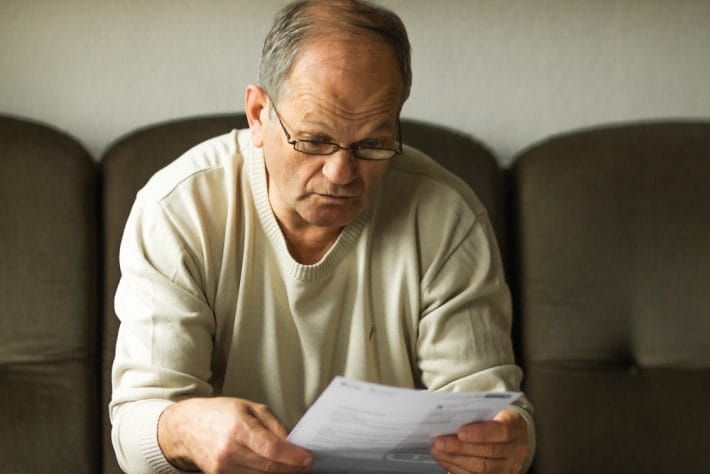
Imagine opening your electric bill and seeing $940 due—while your monthly income is just $900. For many older Americans living on Social Security or fixed retirement income, this scenario isn’t hypothetical anymore. Across the country, rising energy costs are forcing seniors to make impossible choices between keeping the lights on and affording essentials like food or medication. New data shows that nearly one in three U.S. households now struggles with energy affordability, a sharp rise in recent years. But what can you do to combat it? Here’s what you need to know.
Why the Energy Crisis Is Hitting Seniors the Hardest
The energy crisis is uniquely brutal for older households because of fixed incomes and higher health-related needs. Many seniors rely on Social Security checks that don’t keep pace with rising utility costs, creating a widening financial gap. At the same time, older adults often need more consistent heating and cooling to manage health conditions, making energy use less flexible. About one in four older Americans now faces energy insecurity, a sharp increase from previous years.
This means more seniors are falling behind on bills or making dangerous trade-offs. In real life, that can look like turning off air conditioning during extreme heat or skipping medication to cover utilities. These are not small sacrifices—they can have life-threatening consequences.
The Real Numbers Behind Rising Power Bills
Energy costs have surged dramatically in recent years, outpacing inflation and wages. Since 2022, average monthly energy bills have jumped roughly 35%, climbing from about $196 to $265 nationwide.
Electricity bills alone rose about 13% in just one year, adding roughly $110 more annually for many households. Meanwhile, utilities have requested record rate increases—nearly $31 billion in 2025—passing more costs directly onto consumers.
For seniors living on $900 to $1,500 per month, even a $100 increase can be devastating. When bills spike higher due to extreme weather or outdated homes, the situation quickly becomes unmanageable. This is how seemingly small increases snowball into full-blown financial emergencies.
The Hidden Trade-Offs Seniors Are Making
One of the most alarming aspects of the energy crisis is what people are forced to give up to pay their bills. Nearly 25% of households report cutting back on food or medicine just to afford utilities.
For seniors, this often means skipping prescriptions, delaying doctor visits, or eating less nutritious meals. These choices can lead to worsening health conditions, higher medical costs, and increased risk of hospitalization. In some cases, seniors keep their homes at unsafe temperatures to save money, which can trigger heat stroke or hypothermia. This creates a dangerous cycle where saving money today leads to higher costs tomorrow. The energy crisis isn’t just about bills—it’s about survival.
Why This Problem Is Getting Worse—Not Better
Several factors are driving the energy crisis, and most of them aren’t going away anytime soon. Increased demand from data centers and population growth is putting pressure on the power grid, raising costs for everyone. Utilities are also investing heavily in infrastructure upgrades, which are passed on to consumers through higher rates. At the same time, extreme weather events are increasing energy usage, especially for cooling in hotter regions.
Energy prices have also risen faster than inflation, making them one of the fastest-growing household expenses. Even middle-income households are now feeling the strain, showing how widespread the issue has become. Without major policy changes or assistance programs, experts warn the situation could continue to worsen.
What Seniors Can Do Right Now to Lower Energy Costs
While the broader crisis may feel out of your control, there are practical steps seniors can take to reduce energy costs. First, check eligibility for programs like LIHEAP (Low Income Home Energy Assistance Program), which can provide direct bill relief. Second, consider small upgrades like LED bulbs, smart thermostats, and weather sealing, which can lower monthly usage. Third, ask your utility company about budget billing or hardship programs that spread costs more evenly throughout the year.
Another smart move is to schedule a home energy audit, which can identify hidden inefficiencies that drive up bills. Many local programs offer these audits for free or at a reduced cost. Finally, don’t wait until you’re behind—contact your provider early if you’re struggling to pay. Taking action early can prevent shutoffs and long-term debt.
When Energy Bills Become a Financial Emergency
The reality is that the energy crisis has transformed utility bills from a routine expense into a serious financial threat. For seniors living on fixed incomes, even modest increases can push budgets past the breaking point. What starts as a high bill can quickly turn into debt, shutoff notices, and unsafe living conditions. This is why it’s critical to treat rising energy costs as part of your overall financial plan—not just a monthly annoyance. By staying informed, exploring assistance options, and making small efficiency changes, you can regain some control. The sooner you act, the better your chances of protecting both your health and your financial future.
Have your energy bills increased recently? What changes have you made to keep costs under control? Share your experience in the comments.
What to Read Next
How Pennsylvania Homeowners Can Cut Energy Bills by Upgrading Their Home’s Weakest Links
5 Free Home Energy Upgrades Older Homeowners Can Still Qualify For
8 Ways Fixed-Income Households Are Managing Rising Energy Costs

Amanda Blankenship is the Chief Editor for District Media. With a BA in journalism from Wingate University, she frequently writes for a handful of websites and loves to share her own personal finance story with others. When she isn’t typing away at her desk, she enjoys spending time with her daughter, son, husband, and dog. During her free time, you’re likely to find her with her nose in a book, hiking, or playing RPG video games.
Read More


We obviously all know that we should try to save energy at home. After all,…

As we move through a particularly cold January 2026, many retirees are finding that their…

Every three years, the US Federal Reserve conducts a survey of Americans' finances. This study…


Oil and Gas Taking Energy Out of Inflation Gas prices have been quietly moving…

Solar power has been gaining popularity in recent years as a clean and sustainable energy…

Even though the cost of living in Iowa is lower than the rest of most…
Comments