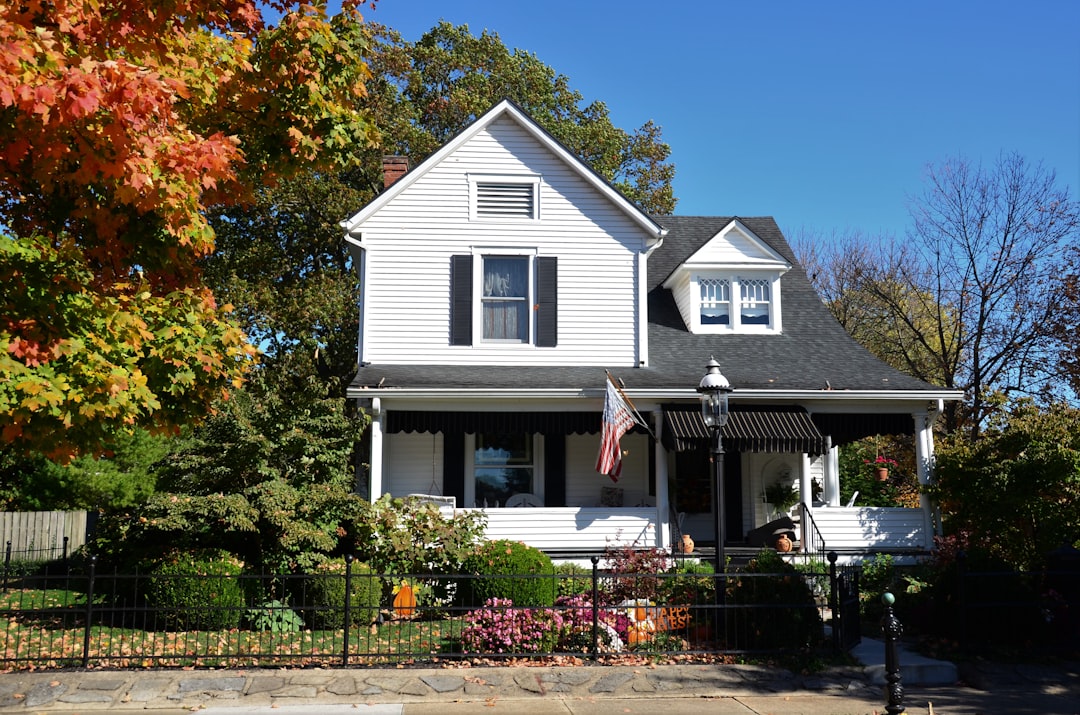
Pennsylvania homeowners are paying more for energy than they were just two years ago. Winter 2025-2026 brought residential electricity rate increases between 5% and 16%, depending on provider, driven partly by an 833% spike in PJM capacity auction costs. The average PA household now spends roughly $160 per month on electricity alone, and that figure climbs significantly during heating season. Natural gas prices have followed a similar upward trend.
For homeowners trying to control costs, the usual advice is to adjust the thermostat, swap out light bulbs, and seal a few gaps around doors. Those are solid starting points. But if your home has aging windows, worn-out siding, or a roof that’s past its prime, you may be losing far more money through your home’s structure than you can recover with small fixes.
The question is whether a larger upgrade is worth the investment. The answer depends on what’s actually driving your energy waste, what it costs to fix, and what financial incentives are available to Pennsylvania residents right now.
Where Pennsylvania Homes Lose the Most Energy
Pennsylvania’s climate puts homes through a punishing cycle. Summer humidity and temperatures in the 90s demand air conditioning, while winter lows regularly drop into the teens and single digits. That constant swing between heating and cooling means your home’s exterior is working year-round to maintain a stable interior temperature.
When something in that exterior envelope fails, energy pours out. According to the U.S. Department of Energy, $200 to $400 of the average household’s annual energy spending goes to waste through drafts, air leaks around openings, and outdated heating and cooling systems. In older Pennsylvania homes, particularly those built before 1980, the waste can be significantly higher because original building materials were not designed with modern energy efficiency in mind.
The biggest culprits tend to be windows, roofing, and siding. Single-pane windows, which are still common in homes across Schuylkill County, the Lehigh Valley, and much of Central PA, offer almost no insulation value. Even double-pane windows manufactured in the 1990s have often lost their gas fill and seal integrity, turning them into little more than thin barriers between your conditioned air and the outdoors. A roof with deteriorating underlayment or missing shingles allows heat to escape through the attic. And siding that has cracked, warped, or lost its insulation backing creates gaps that let cold air in and warm air out.
Before spending money, it helps to identify which of these areas is costing you the most. A home energy audit, which the Pennsylvania Public Utility Commission recommends for every homeowner, can pinpoint exactly where your energy dollars are going. Some PA utilities, including PPL and PECO, offer discounted or free energy assessments through their Act 129 programs.
The Financial Case for Window Replacement
Windows are often the first place homeowners notice energy loss because the signs are visible: condensation between panes, frost on interior glass, drafts you can feel with your hand, frames that stick or won’t close fully, and daylight visible around edges. Each of these signals that the window is no longer doing its job.
The Department of Energy estimates that replacing single-pane windows with Energy Star-rated models saves homeowners between $126 and $465 per year in energy costs. In colder climates like Pennsylvania’s, savings tend to land on the higher end of that range because heating accounts for the largest share of residential energy use. For homes with 15 to 25 windows, the cumulative savings add up quickly.
Modern energy-efficient windows achieve these savings through several features working together: multiple panes of glass with insulating gas fills between them, low-emissivity coatings that reflect heat back into the home during winter, and improved frame materials that reduce thermal transfer. The result is a window with a much lower U-factor, the measurement of how much heat escapes through the glass.
The financial decision comes down to the payback period. If a full-home window replacement costs a certain amount and saves $300 to $450 per year in energy bills, plus reduces HVAC wear and tear, the math starts to work in the homeowner’s favor over a 7 to 12 year horizon, especially when you factor in available tax credits and the increase in home resale value, which the National Association of Realtors consistently ranks among the top returns for exterior improvements.
Roofing: Protection That Pays for Itself
A roof replacement is one of the larger investments a homeowner makes, but it’s also one that directly affects energy costs, insurance premiums, and property value. A properly installed roofing system with reflective underlayment can reduce attic temperatures and cut cooling costs by up to 10%. In winter, the right system prevents heated air from escaping through the attic, which is where most homes lose the greatest percentage of heat.
For Pennsylvania homeowners, timing matters. A roof that’s 20 years old may still look functional from the ground, but the underlayment beneath the shingles may have deteriorated to the point where it provides little moisture or thermal protection. Waiting until visible damage appears often means the underlying structure has already suffered, which increases the total cost of replacement.
Beyond energy savings, a new roof can lower homeowners insurance premiums. Many insurers offer discounts for impact-resistant roofing materials and newer installations. Combined with the energy savings and the fact that roof replacement consistently delivers one of the highest returns on investment at resale, the total financial picture is stronger than the sticker price alone suggests.
Tax Credits and Rebates Available to PA Homeowners Right Now
This is where the financial math gets interesting for Pennsylvania residents. Several programs are currently active that can reduce the upfront cost of energy-efficient home improvements.
Federal Energy Efficient Home Improvement Credit (IRS Section 25C). Homeowners can claim 30% of the cost of qualifying improvements, with specific caps: up to $600 for windows, $250 per exterior door (up to $500 total for doors), and $600 for other energy properties like certain insulation and roofing components. The total annual credit cap is $1,200, with a separate $2,000 limit for heat pumps. This credit can be claimed every year, so homeowners who spread improvements over multiple tax years can maximize their benefit. File IRS Form 5695 with your annual return to claim it.
Penn Energy Savers Program (State Level). Pennsylvania’s Department of Environmental Protection is administering two Inflation Reduction Act-funded rebate programs for low-to-moderate income households: the Home Efficiency Rebates (HER) program for whole-home energy retrofits, and the Home Electrification and Appliance Rebate (HEAR) program for point-of-sale consumer rebates on high-efficiency electric appliances. As of early 2026, the state is awaiting final DOE approval to launch these programs. Homeowners can email RA-EPHomeEngRebates@pa.gov for updates.
PHFA HEELP Loans. The Pennsylvania Housing Finance Agency offers Home Energy Efficiency Loan Program loans between $1,000 and $10,000 at a fixed rate of 1% for 10 years with no prepayment penalties. These loans cover specific energy efficiency repairs and improvements, making them one of the most affordable financing options available to PA homeowners.
Utility-Specific Rebates. Through Act 129, Pennsylvania’s major electric utilities offer rebates on qualifying energy-efficient products and services. FirstEnergy’s Pennsylvania companies (Met-Ed, Penelec, Penn Power, West Penn Power) have rebates available through May 2026. PPL Electric and PECO also run their own efficiency programs. Check your utility’s website or call them directly to see what’s currently available in your area.
Deregulated Market Advantage. Pennsylvania is one of 14 states with a deregulated electricity market. That means you can shop for a different electricity supplier and potentially save 15-30% on the supply portion of your bill. While this isn’t a home improvement, it’s a zero-cost step that many PA homeowners overlook. Visit the PA Power Switch website (papowerswitch.com) to compare rates.
How to Decide Which Upgrade to Prioritize
Not every home needs every improvement at once. The smartest approach is to focus your budget where it will have the biggest impact on your specific situation.
Start by looking at your utility bills from the past 12 months and identifying the months with the highest costs. If your heating bills are disproportionately high, the issue is likely heat escaping through windows, the attic, or exterior walls. If cooling costs are the problem, your roof may be absorbing and transferring heat into your living space.
Next, do a visual inspection of your home’s exterior. Windows with visible condensation between panes, frames that are soft or warped, and gaps where the frame meets the wall all indicate energy loss. Siding that has cracked, buckled, or pulled away from the house creates direct pathways for air infiltration. And if your roof has shingles that are curling, cracking, or missing granules, the system underneath is likely compromised.
If you’re unsure where to start, a professional energy audit will give you a clear picture. Many Pennsylvania contractors offer free in-home assessments that include a review of your current energy performance and specific recommendations based on your home’s age, construction, and condition. Companies that have been operating in Pennsylvania for decades, like American Remodeling Enterprises, which has served PA homeowners since 1982, understand how local climate patterns and regional housing stock affect energy performance and can help identify which improvements will deliver the greatest return for your budget.
Financing Without Derailing Your Budget
One of the biggest obstacles to making energy-efficient upgrades is the upfront cost. But Pennsylvania homeowners have several options to spread payments without accumulating high-interest debt.
The PHFA HEELP loan at 1% fixed interest is the most affordable option for qualifying homeowners. Beyond that, many established home improvement companies offer third-party financing with promotional zero-interest periods, allowing homeowners to make monthly payments that are often comparable to, or less than, what they were losing in energy waste each month.
The key is to compare the total cost of financing against your projected energy savings. If a window replacement saves you $35 per month in energy costs and your financing payment is $40 per month on a 10-year plan, you’re essentially paying $5 per month for a major home upgrade that increases your property value and eliminates drafts and comfort issues. When the financing term ends, the $35 monthly savings continues for the remaining life of the windows.
Homeowners should also consider stacking incentives. You can combine the federal tax credit with a PHFA loan and utility rebates on the same project. A $600 tax credit plus a utility rebate plus a 1% loan significantly reduces the net cost compared to the sticker price alone.
What to Look for When Choosing a Contractor
Choosing the right contractor affects both the quality of your upgrade and whether you’ll see the energy savings you’re expecting. A poorly installed window or roof can actually increase energy loss, negating the investment entirely.
Look for companies that have been in business long enough to stand behind their warranties. A lifetime warranty is only valuable if the company will still be around to honor it. Check how long they’ve been operating, whether they’re locally based, and whether they use their own trained installers rather than subcontractors. Factory-certified installers follow manufacturer specifications, which is critical for both product performance and warranty validity.
Verify their licensing, insurance, and BBB accreditation. Read Google reviews, but also pay attention to the company’s responses to negative reviews, as this tells you how they handle problems. Ask for references from projects similar to yours, and confirm that their financing options are through established, reputable lenders.
Finally, be cautious of contractors who focus on storm damage, insurance claims, or pressure you to make a decision immediately. Reputable companies that specialize in planned replacements and installations, rather than reactive repairs, are typically more focused on long-term quality because their business depends on referrals and repeat customers, not one-time transactions.
The Bottom Line
Energy costs in Pennsylvania are trending upward, and there is no indication that trend will reverse. For homeowners sitting on aging windows, deteriorating roofing, or compromised siding, every month of inaction is another month of paying higher utility bills than necessary.
The combination of federal tax credits, Pennsylvania-specific rebate programs, low-interest state loans, and utility incentives makes 2026 one of the better financial windows for making these upgrades. Homeowners who take the time to identify their home’s biggest energy vulnerabilities, research available incentives, and choose qualified contractors are positioning themselves to reduce monthly costs, increase property value, and improve daily comfort.

Comments