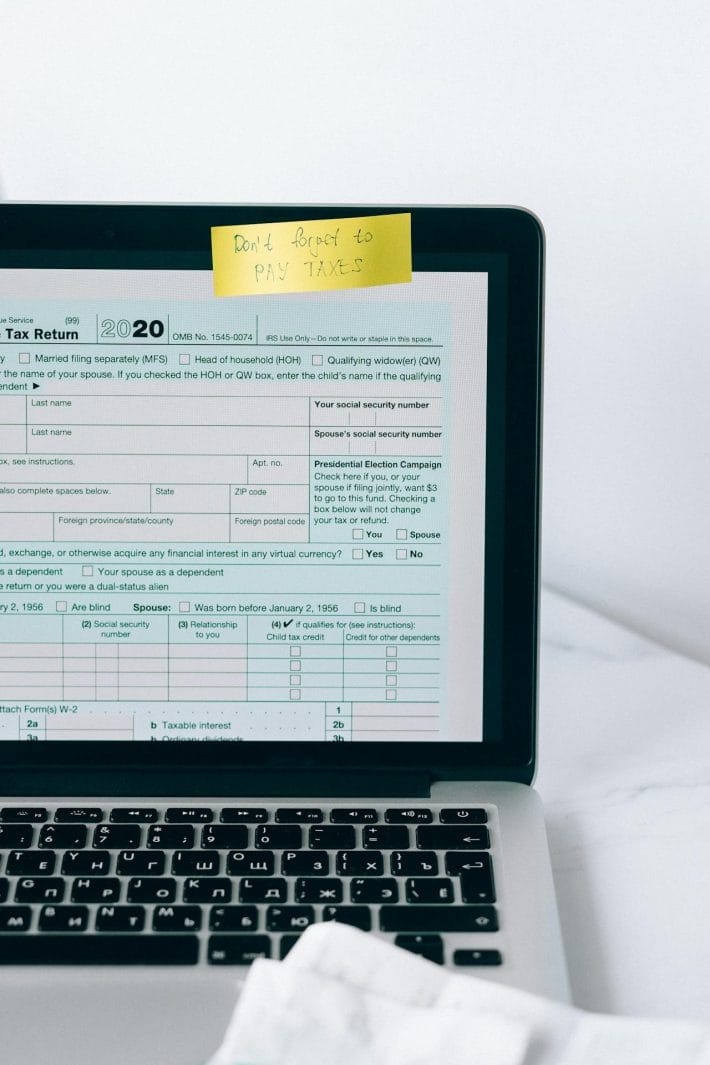
Tax season is stressful enough, but for the 2025 filing year (filed in 2026), the IRS has introduced a suite of new forms and reporting thresholds that specifically impact older filers. The introduction of the “OBBBA” senior deduction and the lowered reporting limits for online sales mean that your tax return will look different than it did last year. If you file using the “same old” method and ignore these new schedules, you risk an automatic rejection or a “math error” notice that delays your refund for months. The IRS computers are programmed to look for these specific attachments, and missing them is an immediate red flag. Here are the six new or updated forms that could trigger an audit if mishandled this spring.
1. Schedule 1-A (The Senior Deduction)
As previously discussed, the One Big Beautiful Bill Act (OBBBA) created a new $6,000 deduction for seniors, but you cannot simply write “$6,000” on your 1040. You must complete and attach the new Schedule 1-A, which calculates your Modified Adjusted Gross Income (MAGI) to prove you are under the phase-out limit. If you claim the deduction without this schedule, or if the math on the schedule contradicts your income documents, the IRS will freeze your return. This form is the “proof of eligibility” that validates your claim. Ensure your software generates it automatically; do not override the system.
2. Form 1099-K (The $600 Rule)
The IRS finally implemented the $600 reporting threshold for third-party payment platforms like PayPal, Venmo, and eBay. If you sold old furniture on Facebook Marketplace or rented a room on Airbnb and received more than $600, you will receive a Form 1099-K. Many seniors mistake this for a mistake and ignore it, but the IRS has a copy and expects to see it reported on Schedule 1 (Additional Income) or Schedule C. Failing to report this form results in an automatic “underreported income” notice (CP2000). You must explain that these were personal items sold at a loss to avoid paying tax on the gross proceeds.
3. Form 8949 (Digital Assets)
The “Crypto Question” at the top of Form 1040 is no longer just a checkbox; it is a gateway to Form 8949. In 2026, the IRS is cracking down on seniors who may have dabbled in Bitcoin or received digital assets as gifts from grandchildren. If you sold or exchanged any digital asset, you must report the transaction on this form, even if you lost money. Ignoring this form while checking “No” on the main return is considered perjury and can lead to significant penalties. It is an area of high scrutiny for the agency this year.
4. Form 1099-NEC (Gig Work)
Many retirees have picked up consulting gigs or side hustles to combat inflation. If you earned $600 or more from any client, you will receive Form 1099-NEC (Non-Employee Compensation). This income is subject to self-employment tax (15.3%), which catches many seniors off guard who are used to having taxes withheld. If you report this on Line 1 (Wages) instead of Schedule C, the IRS computer will flag the mismatch. You must treat this as business income, allowing you to deduct related expenses.
5. Form 5498 (IRA Contributions)
While you don’t usually file Form 5498 with your return, the IRS uses it to verify that your IRA contributions (and Rollovers) match what you reported. In 2026, with the increased catch-up limits, the IRS is watching for “excess contributions” based on your earned income. If you contributed $8,000 to an IRA but had no earned income (only pension/Social Security), this form will trigger an audit alert. You must ensure your contributions do not exceed your taxable compensation for the year.
6. Schedule H (Household Employment)
As mentioned in our previous report, if you paid a caregiver or cleaner more than $3,000, you must attach Schedule H to pay the “Nanny Tax.” The IRS is cross-referencing this with state unemployment data to catch non-filers. If your caregiver files for unemployment and lists you as an employer, but you didn’t file Schedule H, you will be audited. This form is the only way to legalize your household help.
Match Every Form
The golden rule of 2026 filing is: If you got the form in the mail, the IRS got it too. You must match every 1099 and Schedule to the penny to avoid the automated dragnet.
Did you get a 1099-K for selling old items this year? Leave a comment below—tell us if you disputed it!
You May Also Like…
- The “Election Worker” Tax Surprise: Why Some Poll Pay Is Now Social Security Taxable
- 7 Ways the New Senior Tax Deduction Is Affecting February Filing Decisions
- “Refund Offset” Reality: 6 Debts That Can Take Your Tax Refund Without Warning
- The “Identity Tax”: Why Your State is Charging an Extra $15 for “Digital ID” Renewals
- Tax Planning Missteps That Create Stress During Filing Season

Teri Monroe started her career in communications working for local government and nonprofits. Today, she is a freelance finance and lifestyle writer and small business owner. In her spare time, she loves golfing with her husband, taking her dog Milo on long walks, and playing pickleball with friends.
Read More


More investors are seeking control and tax benefits of ETFs. And the rising tide of…

For many older homeowners, property taxes are one of the biggest financial burdens in retirement.…
The IRS has finalized new regulations that could catch many retirement savers off guard. Starting…

When you think of the cost of living in California, you likely think of hefty…

The Internal Revenue Service has increasingly relied on high-tech automated systems to scan millions of…

Ah, spring is around the corner....and that means tax season is here as well.…
Comments