Building a new house to call your own is one of the most exciting things a person can experience. Not everyone could have the privilege to live in a house that is customized according to their needs and preferences.
Additionally, this high-ticket project can be pretty expensive, especially if not planned properly. And so, to avoid possible remorse in the future, a homeowner needs to be aware of the best practices they can follow to ensure they get their money’s worth.
To help you prevent expensive and emotionally damaging blunders, here are six mistakes to avoid when building a new home.
- Poor Overall Planning
Building a house is generally a costly project. That said, adequate time should be allocated to the careful planning- from budget planning to the design phase to the construction stage to ensure that everything’s in place and will run smoothly.
The planning process starts with knowing what you want for your home. Consider hiring design professionals such as architects and interior designers to help you plan and visualize your dream home. Once the design and floor plan has been finalized, you can then move on to the technical aspects of your home.
Before you start looking for a construction company to help you with your new home construction, make sure you consider and prepare these components first:
- Budget
- Permits
- Contingency plans
- Logistics
- Schedules
- Milestones
It’d be worth noting that poor planning often results in poor execution. And in some cases, unexpected expenses that could deplete your budget. And as such, it is best to ensure all bases are covered in this phase to avoid any problems surfacing during and after the house’s construction.
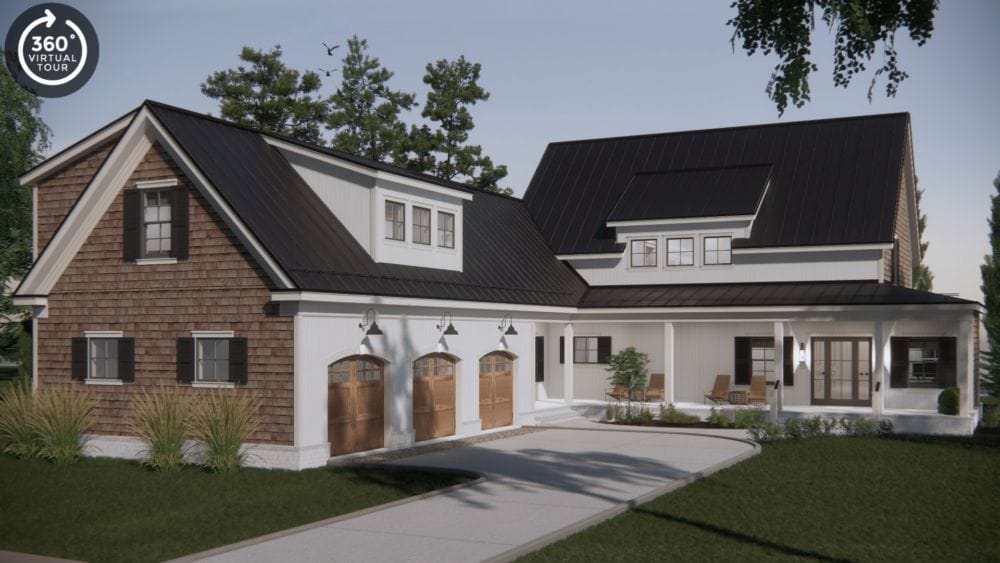
Photo Credit from: Boutique Home Plans
- Not Paying Attention To Details
Another mistake new homeowners could make when building their dream home is not paying attention to details. While you don’t want to be overly zealous to the point of obsessing about the tiniest detail, it still pays to give some attention to certain things. For instance, these things could include the quality of materials, whether or not the milestones are reached on schedule, if your construction team is up to date with inspections, or are cutting corners.
Scrutinizing the details could mean less maintenance or repairs for you in the future and may even save you money. It’s your property, after all. And so, paying attention to how it slowly comes to life can be to your advantage.
- Letting Other People Tell You What You Need
If you’re building the house of your dreams, then it should be according to what you want and need. Don’t be swayed by new trends or other people’s suggestions of what’s appropriate for you. While it can be good to know what their recommendations are, at the end of the day, it’s still your property.
As such, it’s always recommended to assess your lifestyle and priorities to tailor your home according to your needs and preferences. Just remember to keep it realistic when it comes to space allocation, design, and budget.
- Not Including A Buffer In Your Budget
As mentioned above, part of your overall planning stage must include how much you will allocate to build a new house. Ideally, the budget you need to prepare should have the appropriate buffer in case of pricing changes, emergencies, or additional purchases of materials.
Generally speaking, the suggested buffer for new house construction is about five to ten percent of your budget. For instance, if you expect materials and labor to collectively amount to USD$50,000, it is best to allocate a house construction budget of around USD$53,000 to USD$55,000.
Preparing for expenses outside the estimated amount of this project could make building a new house a stress-free milestone for you.
- Hiring The Wrong Homebuilder
Perhaps one of the biggest mistakes you can make when building a new home is hiring the wrong home builder. Working with the wrong contractor may lead to disasters that may end up a financial loss on your part, and in some cases, lawsuits.
Consider doing a lot of research and checking for reviews and references before hiring your contractor. If you can sit down and meet with them to get to know them, take that chance to check if their values, skills, and vision align with yours.
- Rushing The Process
Constructing a customized house shouldn’t be rushed. Even if you’ve found the perfect place and hired the best home builder for your new house, it’s imperative that you go over the layout, materials, schedule, and other details again before anything else.
Reviewing the design and functionality of the house you want could lessen the possibility of regretting your decisions in the future. Examples of possible regrets you may have could be the placement of windows in your bedroom, the amount of cabinet storage in the kitchen, or the accessibility of your bedrooms. Rushing the process may be counterintuitive to what you want to achieve and your lifestyle.
Long Term Investment
Some say owning a house is an investment, and much like any form of investment, due diligence is required before you take out a loan or withdraw your savings to fund this project.
And so, it is always best to do your research, observe what you like or don’t like in houses, know your needs and priorities, and manage your expectations. Additionally, active participation in this project is needed to avoid miscommunication between you and the professionals you will hire, such as your contractor, and maximize your resources.
Read More


I understand the argument behind the advice of putting at least a 20% down payment…

When you borrow money today, you are robbing your future self of funds you may…

The COVID-19 pandemic has significantly changed the face of the workplace. More workers than ever…

Not many people carry cash anymore. However, sometimes you need to keep money in your…

National Financial Awareness Day is coming up in the middle of this month. Did you…

Dividend investing is a popular investment strategy among investors looking for a steady stream of…
Comments