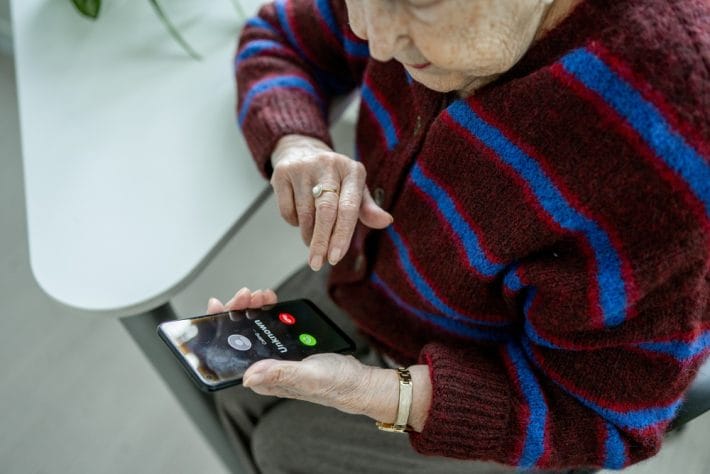
Imagine answering the phone and hearing your daughter crying that she has been arrested after a car accident. Or your grandson begging for help after being robbed overseas. That terrifying scenario is exactly what scammers are now creating with artificial intelligence, and the technology has become frighteningly convincing. A global cybersecurity study found that one in four adults either experienced an AI voice cloning scam personally or knew someone who had, while 77% of victims who engaged with the scam lost money. Many Americans lost anywhere from $500 to as much as $15,000 after hearing what sounded like the real voice of someone they trusted. As AI voice scams rapidly spread, understanding how they work could protect your savings and your family from becoming the next target.
AI Voice Scams Only Need Seconds of Audio
One of the most alarming facts about AI voice scams is how little audio criminals need to clone someone’s voice. Cybersecurity researchers say scammers can now create realistic voice replicas using only a few seconds of audio gathered from social media videos, TikTok clips, voicemail greetings, podcasts, or Facebook posts. Many people unknowingly provide these samples every week simply by posting online or leaving voice messages. Once scammers collect enough audio, AI tools can imitate tone, cadence, and emotional patterns with shocking realism. Experts warn that even people who rarely use social media may still have enough voice data online to become vulnerable.
Seniors and Parents Are Prime Targets
AI voice scams often focus on emotion because panic overrides logic faster than almost any other human response. Criminals frequently impersonate children, grandchildren, spouses, or close relatives while claiming an emergency requires immediate money. Seniors are especially vulnerable because many deeply trust familiar voices and may react quickly when a loved one appears distressed. In several reported cases, victims believed family members had been kidnapped, arrested, or hospitalized and wired money before verifying the story. Consumer advocates say scammers deliberately create urgency so victims will not pause long enough to confirm whether the call is legitimate.
Most People Cannot Detect a Cloned Voice
Many Americans assume they could instantly recognize a fake voice, but research suggests otherwise. McAfee research found that 70% of people were not confident they could distinguish an AI-generated voice from a real human voice. Academic studies released in 2026 also showed participants performed poorly when asked to identify AI-generated scam calls versus authentic recordings. Some people were actually more confident in wrong answers than correct ones, which researchers say highlights how dangerous modern voice cloning technology has become. This means even cautious people can fall victim because the emotional pressure feels real in the moment.
The Financial Losses Are Often Massive
AI voice scams are not stealing pocket change from victims. According to cybersecurity survey data, 36% of people who lost money reported losses between $500 and $3,000, while others lost between $5,000 and $15,000. In some heartbreaking cases, victims drained savings accounts or retirement funds, believing they were rescuing a loved one from danger. Investigative reports have described parents and grandparents who transferred money within minutes because the cloned voices sounded exactly like family members. Once the money is wired, converted to cryptocurrency, or loaded onto gift cards, recovering it becomes extremely difficult. That is why prevention remains the strongest defense against AI voice scams.
Caller ID Can No Longer Be Trusted
One dangerous misconception is believing a familiar phone number guarantees the call is legitimate. Modern scammers routinely spoof caller IDs to make calls appear as though they are coming directly from relatives, banks, government agencies, or local businesses. Combined with cloned voices, this creates a highly convincing illusion that tricks even tech-savvy individuals. A parent who sees their child’s number appear on the screen while hearing their child crying may react emotionally before thinking critically. Security experts now recommend treating unexpected urgent calls the same way people learned to treat suspicious emails years ago—with caution first, emotion second.
Family “Safe Words” Are Becoming Essential
One surprisingly simple defense against AI voice scams is creating a family verification code word. Cybersecurity professionals and scam investigators increasingly recommend that families establish a private word or phrase only close relatives know. If someone calls claiming to be a family member in danger, asking for the code word can instantly expose many scammers. Experts also recommend hanging up and calling the person back directly using a trusted phone number rather than continuing the original conversation. These low-tech verification habits may feel awkward initially, but they can stop devastating financial losses before they happen.
Social Media Oversharing Fuels the Problem
Many people unintentionally help scammers by posting large amounts of personal information online. Public birthday posts, vacation photos, school names, relationship updates, and videos containing voice clips provide valuable material that criminals can exploit during AI voice scams. A scammer who knows family names, travel plans, or recent events can create highly believable stories that lower a victim’s defenses. Privacy experts now encourage users to review social media settings carefully and limit public exposure of personal videos and voice recordings. While most people still want to share memories online, reducing publicly available information can significantly lower the risk.
Your Voice May Now Be Part of Your Digital Identity
AI voice scams are changing the way Americans think about trust, privacy, and personal security. In the past, hearing a loved one’s voice provided reassurance that a situation was real, but scammers are now weaponizing that emotional connection using artificial intelligence. The good news is that awareness, verification habits, and simple family safety plans can dramatically reduce the chances of becoming a victim. Slowing down, asking questions, using code words, and independently confirming emergencies can stop many scams before money disappears. As AI technology keeps evolving, protecting your voice may become just as important as protecting your passwords and financial accounts.
Have you or someone you know ever received a suspicious AI-generated phone call or voice message? Do you think most people are prepared for this new type of scam? Share your thoughts in the comments below.
What to Read Next
Fake QR Codes Are Fueling a New Wave of Senior Scams
AI Voice Clone Scams Are Becoming Harder for Seniors to Detect
10 Toll-Text and Amazon Scams Exploding in 2026

Amanda Blankenship is Chief Editor at District Media, Inc., leading content strategy, quality assurance, and editorial operations across high-traffic personal finance sites like SavingAdvice.com and CleverDude.com. A Wingate University graduate with a BA in Communications (Journalism focus), she brings over a decade of experience in digital publishing, writing, and team leadership in the personal finance space.
Read More


Student Loan Forgiveness Scams When President Biden announced his plan to cancel up to $20,000…

Dear Dave, I was recently in a car accident that totaled my car. My old…

The holiday season is peak time for fraudsters. Increased spending, online shopping, and charitable giving…


There are a lot of places to look for coins when you are walking…
Overpayment scams target people who don't have money to spare and steal it from them.…

In our daily lives, we often use products out of convenience or habit, unaware of…
Comments