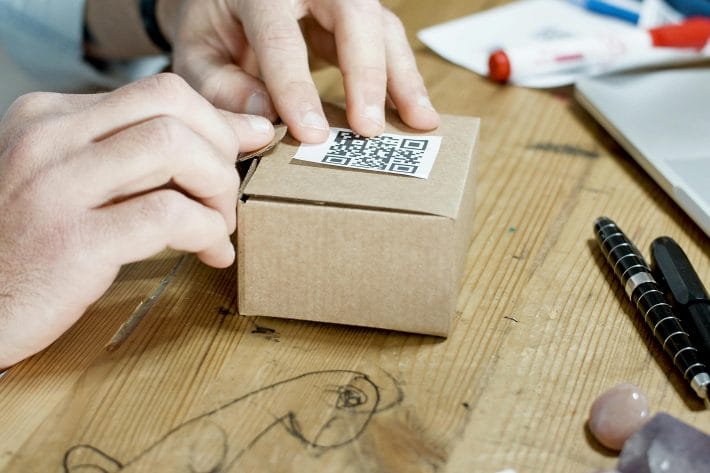
QR codes became wildly popular during the pandemic because they offered a quick way to access menus, pay bills, download apps, and sign into services without touching shared surfaces. Today, millions of Americans scan QR codes almost automatically without thinking twice about where the code actually leads. Unfortunately, scammers have noticed that habit too. Cybercriminals are now using fake QR codes in parking lots, restaurants, utility scams, fake packages, and even public advertisements to steal personal information and financial data from unsuspecting victims. So, before you get tricked, make sure you know what you’re looking at.
Fake QR Code Scams Are Known as “Quishing”
Cybersecurity experts now use the term “quishing” to describe phishing scams carried out through QR codes. Instead of sending suspicious email links, scammers hide malicious websites inside QR codes that look legitimate to the average person. Once scanned, the victim may land on a fake banking site, fraudulent login page, payment screen, or malware download disguised as a trusted service. Security researchers say QR code scams are especially effective because people cannot easily see the hidden destination before scanning. Many smartphone users automatically trust QR codes because they associate them with restaurants, businesses, and official services they use every day.
Seniors Are Being Targeted Through Everyday Situations
One reason fake QR code scams are spreading so quickly is that scammers place them in ordinary environments where people least expect danger. Criminals have been caught placing fake QR stickers on parking meters, utility payment notices, restaurant tables, and public advertisements. In some cases, scammers mail unexpected packages containing QR codes that supposedly reveal who sent the “gift.” The FTC recently warned consumers that scanning these codes may direct users to phishing websites designed to steal passwords, banking information, or credit card numbers. Seniors who are already learning to navigate digital payments and smartphone technology may be especially vulnerable because the scams often appear routine and harmless at first glance.
Scammers Are Combining QR Codes With AI and Impersonation Tactics
Modern scams rarely rely on just one trick anymore. Cybersecurity experts say many criminals now combine fake QR codes with AI-generated messages, spoofed company branding, and impersonation tactics that make scams feel highly convincing. A victim may receive a text pretending to be from a utility company, Amazon, Medicare, or a bank, asking them to scan a QR code immediately to fix an account problem. The FTC warns that scammers increasingly pressure victims to act quickly before they have time to stop and verify the request independently. This urgency is especially dangerous for older adults because fear, confusion, and panic often override skepticism during stressful situations.
Fake QR Codes Can Lead to Financial Theft in Seconds
One of the biggest dangers of fake QR code scams is how quickly they can compromise financial accounts. A malicious QR code may direct victims to a spoofed login page that looks nearly identical to a real bank, retailer, or payment service website. Once victims enter usernames, passwords, or payment information, scammers can immediately access accounts or steal sensitive personal data. Some QR codes even trigger malware downloads that silently infect smartphones and monitor activity afterward. Experts say victims often do not realize anything went wrong until fraudulent charges or identity theft problems appear days or weeks later.
Public QR Codes Are Becoming Harder to Trust
Many consumers assume QR codes displayed in public must be legitimate, but scammers are increasingly exploiting that trust. Criminals can easily print fake QR stickers and place them directly over legitimate ones at parking kiosks, restaurants, hotels, and gas stations. Cybersecurity experts warn that the average person may never notice the code has been replaced or tampered with. One cybersecurity specialist recently noted that attackers can physically cover authentic QR codes with fake ones, “making it nearly impossible” for many users to detect the scam visually. Seniors who frequently rely on QR codes for parking payments, restaurant menus, or medical office check-ins may unknowingly face increasing risk in everyday situations.
Simple Habits Can Help Seniors Avoid QR Code Scams
Experts say a few basic precautions can dramatically reduce the risk of falling victim to fake QR code scams. Consumers should avoid scanning QR codes from unexpected texts, suspicious emails, random flyers, or unsolicited packages. Before opening a scanned link, users should carefully check the website preview shown on the phone screen to confirm that the URL looks legitimate. Seniors should also avoid entering passwords, payment information, or Social Security numbers into websites opened through unfamiliar QR codes. When possible, manually typing a company’s official website into the browser is often far safer than trusting a QR code.
A Few Seconds of Caution Could Prevent Major Financial Losses
Fake QR code scams succeed because they blend seamlessly into normal daily routines. A simple parking payment, utility notice, or restaurant menu scan can suddenly expose personal information, passwords, or financial accounts to cybercriminals. Experts consistently recommend slowing down before scanning any unfamiliar QR code, especially if money, account verification, or urgent action is involved. Families should also discuss these scams openly with older relatives who may not realize QR codes can be weaponized by scammers.
Have you ever encountered a suspicious QR code or scam attempt while shopping, paying bills, or using your phone? Share your experience in the comments below.
What to Read Next
10 Toll-Text and Amazon Scams Exploding in 2026
4 Dating Apps That Are Causing More Scams to Seniors Than Helping Them Find Love

Drew Blankenship is a seasoned personal finance and lifestyle writer with more than a decade of professional writing experience crafting clear, actionable advice that helps savers and investors over 40 protect their wealth and make smarter everyday decisions. His bylines appear regularly on SavingAdvice.com, CleverDude.com, and other respected outlets, where he draws on deep industry knowledge to deliver practical insights on cost control, smart spending, and long-term financial security.
Read More


Student Loan Forgiveness Scams When President Biden announced his plan to cancel up to $20,000…

Unfortunately, many scams target older adults because scammers know that they are more likely to…

Money orders are typically viewed as one of the most secure and reliable forms of…

In 2013, Russian-born Anna Sorokin posed as an art socialite and German heiress in the…

The holiday season is peak time for fraudsters. Increased spending, online shopping, and charitable giving…
Overpayment scams target people who don't have money to spare and steal it from them.…
Comments