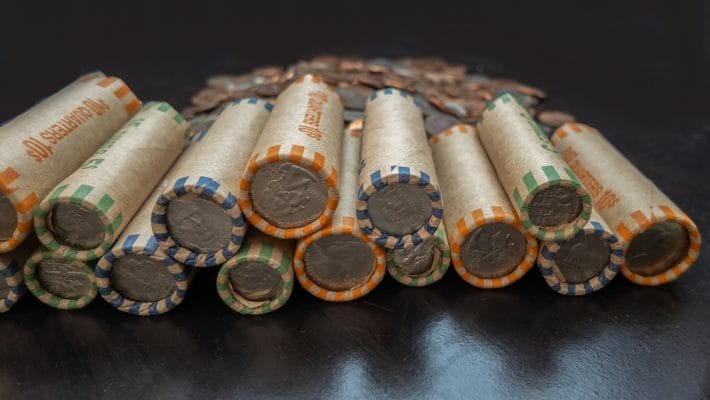
If you’ve walked into a bank with jars of coins lately, you may have noticed something surprising—they’re not as eager to take them as they once were. The reality is that banks aren’t exactly “refusing” coins, but many have quietly changed their policies. Large national banks have reduced or eliminated coin-counting services, and some now require coins to be rolled or deposited only by account holders.
At the same time, the U.S. has stopped producing pennies, which has created supply and handling challenges for financial institutions. All of this adds up to a frustrating experience for anyone trying to cash in years’ worth of spare change. Understanding what’s really happening can help you avoid wasted trips and missed opportunities.
The Penny Phaseout Is Quietly Changing How Banks Handle Coins
One of the biggest drivers behind this shift is the phaseout of the penny. The U.S. Treasury stopped producing new pennies in 2025, and banks are now working with a limited supply already in circulation.
Some banks have even restricted access to penny rolls or prioritized them for business customers. While pennies are still legal tender and can be deposited, the logistics of handling them have become more complicated.
This has contributed to stricter deposit rules and fewer convenient options for everyday consumers. It’s not that your money isn’t valid—it’s that the system around it is changing.
Why Some Banks Now Require Rolled Coins or Charge Fees
Another reason banks seem less friendly toward coin rolls is cost. Counting, sorting, and verifying coins takes time and equipment, and many banks no longer see it as a priority service.
Some institutions now require customers to roll coins themselves before depositing them, while others limit coin deposits to account holders only. If you’re not a customer, you may face fees or outright refusal. Even customers may encounter limits on how much they can deposit at once. These policies are designed to reduce labor and prevent fraud, but they can feel like a barrier if you’re trying to cash in large amounts.
Here are six things you can consider doing if you regularly need to deposit change.
1. Use Your Bank Strategically Instead of Assuming They’ll Accept Everything
The first step is to call your bank before showing up with buckets of coins. Policies vary widely—even between branches of the same bank. Some still accept rolled coins, while others only accept deposits through machines or not at all.
Credit unions and regional banks are often more flexible than large national banks. If you’re a customer, you may be able to deposit coins for free or at a lower cost. Taking a few minutes to confirm the rules can save you a frustrating trip.
2. Look for Coin-Counting Machines (Even If They’re Not in Banks)
Coin-counting machines are one of the easiest ways to handle large amounts of change. Many banks have removed them, but retail locations still widely offer them. Some banks have even partnered with kiosks to provide direct deposits into your account.
These machines count your coins quickly and convert them into cash, a voucher, or a bank deposit. The trade-off is that some charge fees, which can eat into your total. Still, for thousands in change, the convenience can be worth it.
3. Avoid High Fees by Choosing Gift Card or Account Options
If you use a coin kiosk, pay attention to the payout options. Cash conversions often come with fees, sometimes around 10% or more, depending on the machine. However, many kiosks offer fee-free options if you choose a gift card instead.
Some banking partnerships also offer lower fees when transferring coins directly into your account. This small decision can save you a surprising amount of money. It’s one of the easiest ways to maximize the value of your coins.
4. Spend Coins Gradually Instead of Converting All at Once
Another overlooked strategy is simply using your coins for everyday purchases. With fewer people using cash, coins can pile up quickly—but they’re still accepted almost everywhere.
Using them at self-checkout machines or small purchases can slowly reduce your stash. This avoids fees entirely and spreads the effort over time. It may not be fast, but it’s one of the most cost-effective approaches. For many retirees, this method feels less stressful than dealing with bank policies.
5. Check for Valuable or Older Coins Before Cashing In
Before dumping thousands of coins into a machine, take a closer look. Some coins—especially older ones—may be worth more than their face value. For example, pre-1982 pennies contain more copper and can be collectible.
Rare coins or mint errors can be worth significantly more to collectors. Even if only a few coins stand out, it can make a difference. Taking the time to sort briefly can prevent you from accidentally giving away value.
6. Consider Credit Unions or Smaller Banks for Better Service
If your main bank won’t help, don’t stop there. Smaller banks and credit unions often still offer coin-counting services or accept rolled coins.
They tend to focus more on customer service and may be more flexible with deposits. Some even provide free coin-counting machines for members. Opening a simple account could give you access to better options. In many cases, this is the easiest long-term solution.
Banks Aren’t Refusing Coins—But They’re Making It Harder
The idea that banks are “turning away” coin rolls isn’t entirely true—but it feels that way because policies have changed. Between the penny phaseout, reduced coin services, and stricter deposit rules, handling spare change is no longer as simple as it used to be.
The good news is that your coins are still valid and usable—you just need a smarter strategy to convert them. Whether you use kiosks, switch banks, or spend coins gradually, there are still plenty of ways to access your money. The key is knowing your options before you walk into a branch. In today’s banking environment, preparation can save you time, money, and frustration.
Have you ever been turned away when trying to deposit coins—or found a clever way to cash them in? Share your experience in the comments.
What to Read Next
Check Washing Alert: Why Leaving Checks in Your Mailbox Can Put Your Bank Account at Risk
The ‘Overdraft’ Surprise: Why Banks Can Cancel Your Protection Without Notice — And What Triggers It
Bank Insider Says: These 4 Social Security Mistakes Can Lead to Delays, Fees, or Lost Funds

Amanda Blankenship is the Chief Editor for District Media. With a BA in journalism from Wingate University, she frequently writes for a handful of websites and loves to share her own personal finance story with others. When she isn’t typing away at her desk, she enjoys spending time with her daughter, son, husband, and dog. During her free time, you’re likely to find her with her nose in a book, hiking, or playing RPG video games.
Read More


Metropolitan Commercial Bank (MCB) is pulling out of the cryptocurrency market, while Silvergate Bank is…


Income vs Inflation Paychecks are moving higher, but they are caught in a tangled dance…

There are Experts and then there are Outliers. Experts devote years to learning an industry…

Did you have a piggy bank as a child? If so, then you might recall…

Banks across the country have introduced new digital verification requirements for transactions, aiming to reduce…

Avoiding unnecessary fees is often critical for financial wellness. However, ensuring you aren’t hit with…
Comments