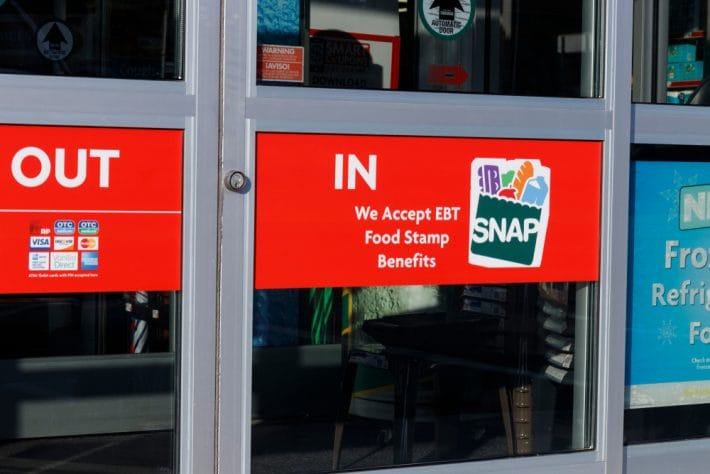
If you’re receiving SNAP benefits and still struggling to afford groceries, there’s a little-known rule that could increase your monthly assistance. Many seniors and disabled adults don’t realize they can report medical expenses—and doing so can lead to higher benefits. It’s not a loophole or a special program—it’s built right into SNAP rules. Yet surprisingly, only a small percentage of eligible households actually take advantage of it. Here’s how this hidden SNAP medical expense deduction works and how it could put more money on your EBT card.
The SNAP Medical Expense Deduction Explained
The SNAP medical expense deduction allows seniors and disabled individuals to lower their “countable income.” This matters because SNAP benefits are based on how much income you have after deductions. If your income appears lower, your benefit amount can increase.
To qualify, you must be age 60 or older or have a qualifying disability. Any unreimbursed medical expenses over $35 per month can be deducted from your income calculation.
Why This Rule Can Increase Your Monthly Benefits
Here’s where the SNAP medical expense deduction really makes a difference. By subtracting medical costs from your income, SNAP sees you as having less money available for food. That often results in a higher monthly benefit. For example, even modest expenses can boost benefits by $7 to $69 per month—or more, depending on your situation.
Over the course of a year, that can add up to hundreds of dollars in additional assistance. For many households, that’s the difference between stretching meals and eating comfortably.
What Medical Expenses Actually Count
A wide range of expenses can qualify under the SNAP medical expense deduction. These include doctor visits, prescription medications, and health insurance premiums. It can also include transportation to medical appointments, dental care, hearing aids, and even some over-the-counter medications if approved by a doctor.
Importantly, only expenses you pay out of pocket count—anything covered by insurance does not qualify. Many people overlook smaller recurring costs that could still help boost their benefits.
The $35 Rule Most People Miss
One of the most important details is the $35 monthly threshold. Only medical expenses above $35 per month are counted toward the deduction.
For example, if you spend $100 per month on medical costs, only $65 would be deducted. While that may not seem like much, it can still significantly impact your SNAP calculation. Many seniors mistakenly assume their expenses are too small to matter—but even modest costs can help.
You Have to Report These Expenses—They’re Not Automatic
This benefit doesn’t happen automatically—you have to report your medical expenses. SNAP caseworkers won’t add them unless you provide the information during your application or recertification. You can also report changes at any time if your expenses increase. Documentation like receipts, pharmacy printouts, or insurance statements may be required. The more accurate your reporting, the better your chances of receiving the full benefit.
Many Eligible Households Aren’t Using This Benefit
Despite how valuable this rule is, very few households actually use it. Research shows that only a small percentage of SNAP participants claim the medical expense deduction.
This means many seniors and disabled adults are leaving money on the table every month. Some don’t know the rule exists, while others assume the process is too complicated. In reality, it’s one of the simplest ways to increase your benefits.
Why the SNAP Medical Expense Deduction Is a Game Changer for Fixed Incomes
The SNAP medical expense deduction is one of the most overlooked tools available to seniors and disabled adults. By simply reporting out-of-pocket medical costs, you can potentially increase your monthly food assistance without changing your income. In a time when grocery prices remain high, every extra dollar matters. The key is understanding that this benefit is already built into the system—you just have to use it. If you’re currently receiving SNAP, reviewing your medical expenses could lead to immediate financial relief. It’s a small step that can make a big difference in your monthly budget.
Did you know about the SNAP medical expense deduction—and have you ever reported your medical costs to increase your benefits? Share your experience in the comments!
What to Read Next
The SNAP “Double Up Food Bucks” Match — A Quiet Program That Doubles EBT Money at Farmers Markets
New SNAP Rules in 18 States May Limit What Seniors Can Purchase at the Grocery Store
Minnesota’s EBT Security Changes: What SNAP Households Need to Know
Social Security & SNAP: 8 Programs Shifting to Online‑Only in 2026

Amanda Blankenship is Chief Editor at District Media, Inc., leading content strategy, quality assurance, and editorial operations across high-traffic personal finance sites like SavingAdvice.com and CleverDude.com. A Wingate University graduate with a BA in Communications (Journalism focus), she brings over a decade of experience in digital publishing, writing, and team leadership in the personal finance space.
Read More


More investors are seeking control and tax benefits of ETFs. And the rising tide of…

Budgeting in retirement is a necessity, but not all budget hacks are created equal. Some…

You don’t need to be uninsured to be financially blindsided by a hospital visit. Across…

A surprise bill is stressful at any age, but it hits differently when you’re living…

As technology evolves at breakneck speed, many seniors continue to rely on familiar medical devices…

Tax season can be stressful—especially for seniors juggling healthcare costs. But here’s some good news:…
Comments