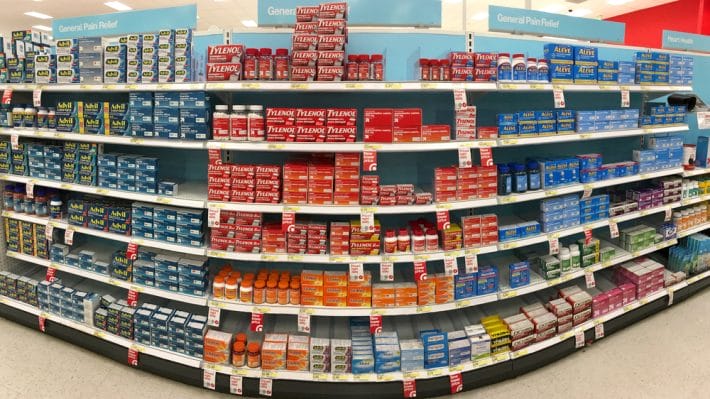
It’s easy to assume that over-the-counter medications are completely safe—after all, you don’t need a prescription to buy them. But for older adults, that assumption can be dangerously misleading. Every year, thousands of seniors end up in the emergency room due to complications linked to everyday OTC pills. In fact, experts estimate that more than 178,000 hospitalizations annually are tied to adverse drug events involving these medications, with seniors at the highest risk. If you or a loved one regularly reaches for common remedies, it’s worth knowing which ones may quietly pose serious risks. Here are five OTC meds that could land you in the ER.
1. Pain Relievers Like Ibuprofen and Aspirin Can Trigger Serious Bleeding
Nonsteroidal anti-inflammatory drugs (NSAIDs) are some of the most commonly used OTC medications among seniors. These include familiar names like ibuprofen, naproxen, and aspirin, often taken for arthritis or everyday aches. While effective, they can increase the risk of stomach ulcers, internal bleeding, kidney problems, and even heart issues—especially with long-term use.
For older adults, the danger is even greater because the body processes these drugs more slowly. Research shows that NSAIDs alone account for tens of thousands of preventable adverse drug events each year. That means something as simple as taking a daily pain reliever could quietly lead to a serious ER visit.
2. Sleep Aids and Allergy Pills Can Cause Confusion and Falls
Many OTC sleep aids and allergy medications contain antihistamines like diphenhydramine. These drugs are widely marketed as harmless solutions for sleepless nights or seasonal allergies. However, in older adults, they can cause confusion, dizziness, blurred vision, and even memory issues.
They also increase the risk of falls, which is one of the leading causes of injury-related ER visits in seniors. Even more concerning, these medications can interact with other prescriptions, compounding their effects. What seems like a simple sleep solution can quickly turn into a dangerous situation.
3. Acetaminophen Overuse Can Lead to Liver Damage
Acetaminophen (commonly known as Tylenol) is often seen as the “safer” pain reliever alternative. But that reputation can lead to overuse, especially when people unknowingly take multiple products containing the same ingredient.
Unintentional overdoses of acetaminophen are responsible for thousands of emergency department visits each year. In severe cases, it can lead to liver failure, which can be life-threatening. The risk increases when combined with alcohol or when dosing instructions aren’t followed carefully.
4. Decongestants Can Spike Blood Pressure
Cold and flu medications often include decongestants like pseudoephedrine or phenylephrine. While they may help clear nasal passages, they can also raise blood pressure and heart rate. This is especially risky for seniors with hypertension or heart conditions.
Even a short course of these medications can trigger complications in vulnerable individuals. Because these drugs are found in many combination products, it’s easy to take more than intended.
5. Heartburn Medications May Cause Long-Term Complications
Proton pump inhibitors (PPIs), such as omeprazole, are widely used to treat acid reflux and heartburn. While effective, they are often taken for far longer than recommended. Long-term use has been linked to bone fractures, infections, and nutrient absorption issues.
These risks can lead to complications that require hospitalization or emergency care. Many seniors continue taking these medications without reevaluating their need. What starts as occasional relief can turn into a hidden long-term health risk.
Mixing Multiple OTC Medications Increases the Danger
One of the biggest risks isn’t just a single medication—it’s the combination of several. Many seniors take multiple OTC and prescription drugs at the same time, a situation known as polypharmacy. Studies show that over half of serious adverse drug events in older adults involve OTC medications.
Interactions between drugs can amplify side effects or create entirely new health issues. Even taking two medications with the same active ingredient can lead to accidental overdose. Without careful tracking, it’s easy for these combinations to spiral into an ER visit.
The Hidden Risk Sitting in Your Medicine Cabinet
The truth is, OTC medications aren’t inherently unsafe—but they aren’t risk-free either. Seniors are more vulnerable because of slower metabolism, existing health conditions, and the likelihood of taking multiple medications. The same pills that provide quick relief can also create serious complications if used incorrectly or combined improperly. Taking a moment to review labels, limit overlap, and consult a pharmacist or doctor can make a major difference. The goal isn’t to avoid these medications entirely, but to use them wisely and intentionally. A little awareness today can prevent a costly—and potentially dangerous—trip to the emergency room tomorrow.
Have you ever been surprised by side effects from a common medication? Share your experience in the comments.
What to Read Next
6 Medical Tests Seniors Over 75 May No Longer Need, According to Experts
7 Common Medications Linked to Long-Term Cognitive Decline
92% of Seniors Dropped: The Medicare Advantage Collapse Rocking Vermont
Six of The Most Dangerous Medications Still Prescribed to Seniors
Marrying After 65: 8 Unique Medicare, Social Security, and Tax Changes Couples May Face

Amanda Blankenship is Chief Editor at District Media, Inc., leading content strategy, quality assurance, and editorial operations across high-traffic personal finance sites like SavingAdvice.com and CleverDude.com. A Wingate University graduate with a BA in Communications (Journalism focus), she brings over a decade of experience in digital publishing, writing, and team leadership in the personal finance space.
Read More


There are plenty of steps that you can take to help you become financially successful,…

Budgeting in retirement is a necessity, but not all budget hacks are created equal. Some…

For many seniors, seeing a doctor from the comfort of home has been a lifeline.…

If you’re on Medicare—or helping a parent or spouse manage their coverage—there’s a growing problem…

The holiday season brings joy, family gatherings, and festive traditions, but it also brings financial…

A single ER visit in the United States now averages more than $2,000—even for something…
Comments