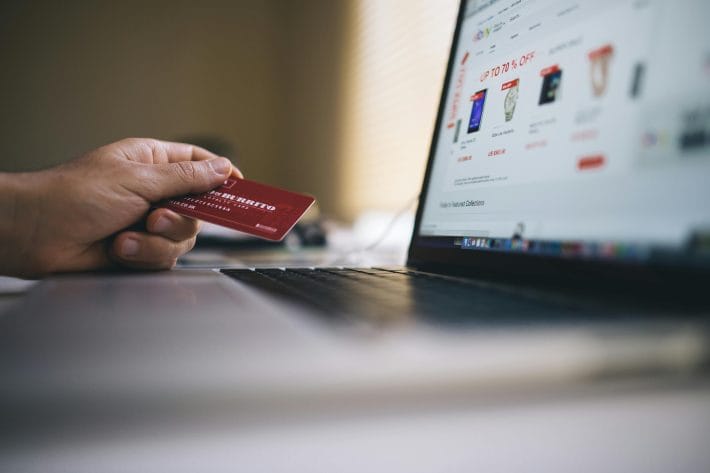
Selling items online has become one of the easiest ways to make extra cash. From clearing out the garage to flipping furniture or electronics, platforms like Facebook Marketplace, Craigslist, and OfferUp have made it simple to connect with buyers. But there’s a catch: scammers also love these platforms because they can target unsuspecting sellers. In fact, many online marketplace scams involve fake payments, pressure tactics, or requests to move conversations off the platform.
If you plan to sell items online, a few smart precautions can help you keep your money—and your items—safe. Understanding common tricks scammers use can dramatically reduce your risk. The good news is that most scams follow predictable patterns once you know what to watch for. Here are seven practical strategies to help you sell stuff online safely and avoid costly mistakes.
1. Keep All Communication on the Platform
One of the easiest ways to sell stuff online safely is to keep conversations inside the selling platform. Scammers often try to move chats to email, text, or messaging apps because it’s harder for platforms to monitor those interactions. If something goes wrong, the platform also won’t have a record of your conversation.
Keeping messages inside the marketplace protects you by creating a clear communication trail. It also allows the platform to flag suspicious activity or help resolve disputes. If someone immediately asks you to switch to WhatsApp, email, or text, that’s often a red flag. Staying on the platform may seem like a small step, but it’s one of the most effective ways to reduce risk.
2. Never Accept Fake Payment Confirmations
A common scam happens when a buyer sends a screenshot claiming they’ve already paid. The message may look convincing, but scammers frequently create fake payment confirmations to trick sellers into shipping an item.
Always verify that the money has actually reached your account before handing over the item. Open your banking or payment app and check the transaction directly rather than relying on screenshots or emails. Some scammers even send fake emails pretending to be from payment services. If the funds are not visible in your account, assume the payment is fake.
3. Avoid Risky Payment Methods
Certain payment methods make it easier for scammers to disappear with your money or merchandise. Wire transfers and peer-to-peer apps like Zelle or Cash App are often used in scams because transactions can be difficult or impossible to reverse.
When possible, stick to payment methods that offer protection, such as secure checkout systems within the platform. If you’re selling locally, cash at pickup is often the safest option. Avoid anyone insisting on unusual payment methods like gift cards or bank transfers. The more complicated the payment request sounds, the more cautious you should be.
4. Watch Out for Pressure Tactics
Scammers often try to rush sellers into quick decisions. They may claim they need the item urgently, say multiple buyers are interested, or insist the transaction must happen immediately. These tactics are designed to prevent you from thinking carefully about the deal.
Legitimate buyers rarely push sellers to skip basic precautions. If someone is pressuring you to finalize a sale quickly or ship the item before payment clears, pause the conversation. Taking your time is one of the best ways to sell stuff online safely. If a deal feels rushed or suspicious, walking away is usually the smartest move.
5. Meet Buyers in Public Places
If you’re arranging an in-person sale, safety should be a priority. Experts recommend meeting in public places such as busy parking lots, shopping centers, or even designated police station exchange zones.
Meeting strangers at your home can expose you to unnecessary risks. Public locations provide witnesses and security cameras that discourage criminal behavior. Bringing a friend or family member can also add an extra layer of safety. Taking these simple precautions makes it easier to sell stuff online safely while protecting yourself.
6. Research the Buyer’s Profile
Before completing a transaction, take a moment to look at the buyer’s profile. Fake accounts often have limited information, few friends, or recently created profiles. These are common warning signs that the account may not belong to a legitimate buyer.
You can also check whether the person has reviews or other marketplace activity. If their profile looks suspicious or incomplete, consider declining the transaction. A few minutes of research can save you from dealing with a scammer. Trusting your instincts is an important part of learning to sell stuff online safely.
7. Trust Your Instincts When Something Feels Off
Sometimes the biggest warning sign is simply a gut feeling. If a buyer offers far more than your asking price, asks unusual questions, or makes strange requests, pause before continuing. Many scams involve offers that seem too good to be true.
Scammers often rely on excitement or urgency to get sellers to ignore their instincts. If something doesn’t feel right, stop communicating and report the user to the platform. It’s always better to lose a questionable sale than to lose money or merchandise. Developing good instincts is a key part of learning to sell stuff online safely.
The Smart Seller’s Mindset: Safety First, Sale Second
Selling items online can be a great way to earn extra money, but protecting yourself should always come first. Most scams rely on the same tricks: fake payments, pressure tactics, suspicious accounts, or risky payment methods. Once you recognize these patterns, they become much easier to avoid.
By taking a few precautions—verifying payments, meeting in public, and keeping conversations on the platform—you can greatly reduce your chances of becoming a victim. These habits help you sell stuff online safely while still enjoying the benefits of online marketplaces. In the end, the safest sellers are the ones who stay patient, cautious, and informed.
Have you ever encountered a scam while trying to sell something online? What warning signs did you notice? Share your experience in the comments.
What to Read Next
The 11 Best-Selling Safety Gadgets on Amazon for Seniors Living Alone
5 Simple Apps That Track Your Health Data and Then Sell It
Boomers Bought Homes for Peanuts, Now They’re Refusing to Sell And It’s Costing You
9 Charity Scams That Spike After Disasters (and How to Verify Giving)
7 Investment Scam Promises Older Adults Report Most Often

Amanda Blankenship is Chief Editor at District Media, Inc., leading content strategy, quality assurance, and editorial operations across high-traffic personal finance sites like SavingAdvice.com and CleverDude.com. A Wingate University graduate with a BA in Communications (Journalism focus), she brings over a decade of experience in digital publishing, writing, and team leadership in the personal finance space.
Read More


Student Loan Forgiveness Scams When President Biden announced his plan to cancel up to $20,000…

The Latest Shortage - Rental Cars Rental car prices are skyrocketing. It’s getting so bad…

Just a few short years ago, I was thrilled to start investing in online savings…

We all want to be treated fairly and receive the products and services that we…
Everyone loves a freebie. Most people are aware that there are a lot of places…

For those who use the United States Postal Service (USPS) on a regular basis, and…
Comments