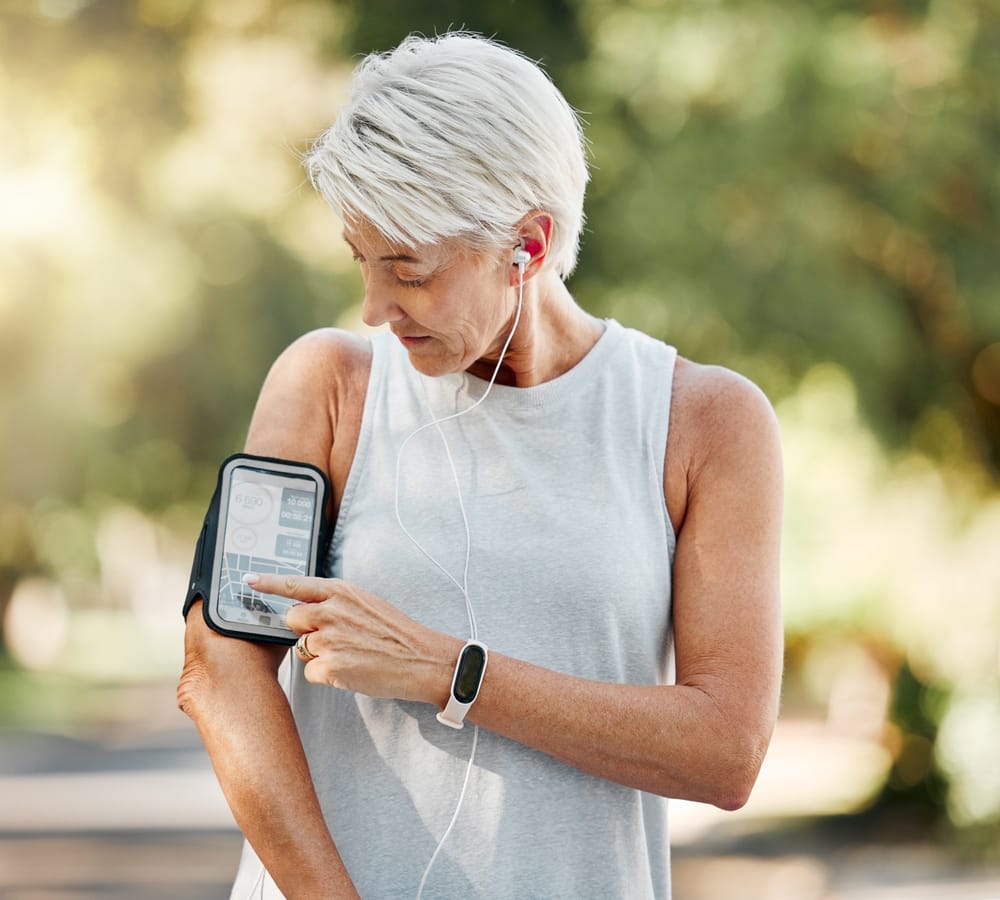
Most people download health tracking apps to monitor steps, sleep, or calories without thinking twice. These apps promise convenience and motivation, but many quietly profit by selling your personal health data. In fact, the global wellness app industry is projected to surpass $200 billion by 2025, fueled largely by data monetization. What feels like a harmless download can actually expose sensitive information about your lifestyle, medical conditions, and habits. Knowing which apps are most likely to sell your data helps you protect your privacy while still enjoying digital wellness tools.
1. Fitness Trackers That Double as Data Brokers
Popular fitness tracking apps often collect far more than just step counts. They log heart rate, sleep cycles, and even GPS data from your daily runs. While marketed as tools for motivation, many of these platforms share anonymized—or sometimes identifiable—data with advertisers and insurers. The appeal for companies lies in predicting consumer behavior and tailoring ads to their health profile.
For users, the trade-off is convenience at the expense of privacy, making fitness trackers one of the biggest culprits among health tracking apps.
2. Diet and Calorie Counting Apps
Food logging apps are another category where privacy risks run high. These apps track not only what you eat but when and how often, creating a detailed picture of your lifestyle. Some companies sell this data to marketers targeting weight-loss products or supplements. Others share insights with insurance firms looking to assess risk profiles.
While the apps may help you stay accountable, they also turn your eating habits into valuable commodities for third parties.
3. Sleep Monitoring Apps
Sleep apps promise better rest by analyzing patterns and offering tips. But behind the scenes, they often collect biometric data such as breathing rates, movement, and nighttime routines. This information can be sold to advertisers in industries ranging from mattresses to pharmaceuticals. The more intimate the data, the more valuable it becomes to companies seeking to influence consumer choices.
Users should weigh whether improved sleep insights are worth the hidden cost of data exposure.
4. Women’s Health and Fertility Apps
Apps designed for tracking menstrual cycles, fertility windows, or pregnancy milestones are especially sensitive. They gather deeply personal health information that can reveal reproductive choices and medical conditions. Reports have shown that some of these apps share data with advertisers or analytics firms without fully transparent consent. For women, this raises serious concerns about privacy and autonomy.
While these apps can be empowering tools, they also highlight the risks of trusting health tracking apps with intimate details.
5. Mental Wellness and Meditation Apps
Meditation and mental health apps often ask users to log moods, stress levels, or even therapy notes. While marketed as safe spaces for reflection, many of these platforms monetize data by selling anonymized emotional trends to corporations. Advertisers use this information to target products ranging from supplements to self-help books.
The irony is that apps designed to reduce anxiety may contribute to new worries about privacy. Users should be cautious about how much personal detail they share with mental wellness platforms.
Protecting Yourself Without Giving Up Digital Wellness
The reality is that health tracking apps are unlikely to stop selling data anytime soon. However, you can take steps to minimize risks.
- Read privacy policies carefully before downloading any app.
- Limit the amount of personal information you share, especially sensitive medical details.
- Consider paid apps that rely on subscriptions rather than advertising revenue.
By staying informed and selective, you can enjoy the benefits of digital wellness without sacrificing your privacy.
Do you still trust health tracking apps after learning how they sell your data? Share your thoughts in the comments!
You May Also Like…
- Are Mental Health Apps Actually Helping—or Just Another Subscription Drain?
- Need Mental Health Services: Here Are The 7 Best Telehealth Apps for Your Mental Well-Being
- Which Household Appliances Send Your Personal Data to Marketers?
- How One Overlooked Setting on Your Bank App Could Expose All Your Accounts
- 5 Senior Dating Apps That Are Surprisingly Safe and Fun

Teri Monroe started her career in communications working for local government and nonprofits. Today, she is a freelance finance and lifestyle writer and small business owner. In her spare time, she loves golfing with her husband, taking her dog Milo on long walks, and playing pickleball with friends.
Read More


I like finding the hidden costs in personal finances. Hidden costs are those costs that…
Budgeting apps promise control, clarity, and accountability, but there’s often a hidden catch—your financial data.…

We never really value our health until it fails us. And then we find out…

Being smart with your money means that you pay attention to earning, budgeting, saving, investing,…

For millions of retirees, Medicare Advantage plans seem like the perfect solution–affordable premiums, bundled benefits,…

When you sign up for Medicare, you trust that your personal health information will be…
Comments