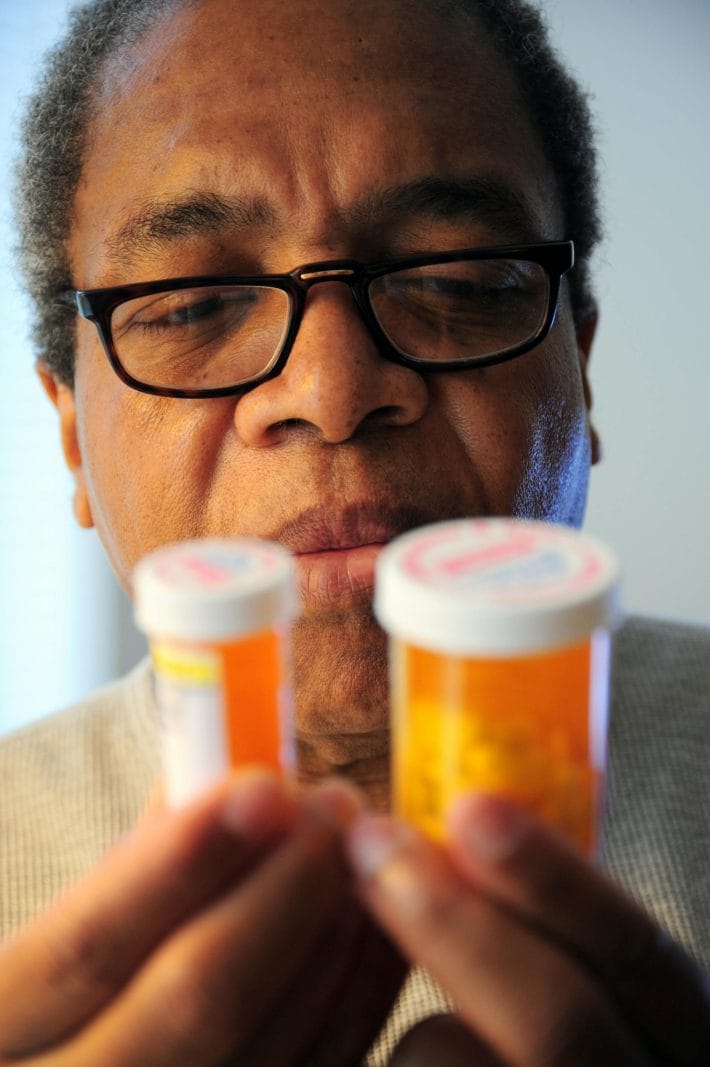
Every year, many Americans notice something frustrating when they head to the pharmacy: certain medications suddenly cost more than they did just a few months earlier. These increases aren’t random — they often align with seasonal insurer updates, manufacturer adjustments, and Medicare’s quarterly pricing cycles. Spring is a particularly active period for drug price changes, making it a smart time to review your prescriptions. Here are seven prescriptions that tend to see price changes around this time every year.
1. Insulin Products
Insulin is one of the most common medications affected by spring drug price changes, largely because manufacturers often adjust wholesale prices early in the year. These adjustments can trickle down to patients as insurers update formularies and cost‑sharing rules.
Even with recent federal efforts to cap insulin costs for Medicare beneficiaries, commercial plans may still shift pricing tiers in spring. Patients using rapid‑acting or long‑acting insulin may notice higher copays or changes in preferred brands. Reviewing your plan’s formulary each spring can help you avoid unexpected pharmacy bills.
2. Inhalers for Asthma and COPD
Inhalers frequently experience price changes around this time, due to manufacturer updates and insurance tier reshuffling. Many inhalers are brand‑name products with limited generic competition, making them more vulnerable to seasonal price adjustments. Spring is also when insurers often reclassify inhalers based on negotiated rebates, which can raise out‑of‑pocket costs.
Patients using combination inhalers or rescue inhalers may see the biggest shifts. Checking whether your plan has switched preferred inhalers can help you save money.
3. GLP‑1 Medications for Diabetes and Weight Management
GLP‑1 drugs like Ozempic, Wegovy, and Trulicity are high‑demand medications. As a result, these medications are expensive to manufacture and are frequently subject to rebate negotiations that reset early in the year.
When insurers adjust coverage in spring, some GLP‑1s may move to higher tiers or require new prior authorizations. Patients may also see differences in availability as pharmacies adjust inventory. Staying in touch with your prescriber can help you navigate any coverage changes.
4. Blood Thinners Such as Eliquis and Xarelto
Blood thinners are among the most commonly adjusted medications during spring drug price changes, especially for Medicare beneficiaries. These drugs are part of ongoing federal price negotiations, which can influence how insurers structure cost‑sharing.
Even small shifts in formulary placement can significantly affect monthly copays for patients who rely on these medications long‑term. Spring is also when many plans update preferred pharmacy networks, which can change your out‑of‑pocket costs. Reviewing your plan’s drug list can help you avoid paying more than necessary.
5. Autoimmune Medications Like Enbrel and Stelara
Autoimmune medications are high‑cost specialty drugs. Due to insurer renegotiations, these medications often require prior authorization, and spring updates may introduce new requirements or higher specialty‑tier copays.
Because these drugs lack generic alternatives, patients are especially vulnerable to seasonal pricing shifts. Specialty pharmacies may also adjust dispensing fees in spring, adding another layer of cost.
6. ADHD Medications
ADHD medications — especially brand‑name stimulants — often see price changes tied to supply fluctuations and insurer updates. Many of these medications have experienced shortages in recent years, which can drive up acquisition costs for pharmacies.
When insurers adjust coverage in spring, some ADHD medications may move to non‑preferred tiers or require step therapy. Patients may also notice differences in availability between pharmacies.
7. Antibiotics with Seasonal Demand
Certain antibiotics experience spring drug price changes because demand increases as respiratory illnesses spike. When pharmacies face higher seasonal demand, acquisition costs can rise, and insurers may adjust coverage accordingly. Some commonly used antibiotics may shift tiers or require new authorizations depending on your plan. Patients who rely on recurring prescriptions for chronic conditions may feel these changes most. Keeping an eye on your pharmacy receipts each spring can help you spot price shifts early.
Why Spring Is the Perfect Time to Review Your Prescriptions
Spring is a key period for spring drug price changes because insurers, manufacturers, and pharmacies all update pricing structures around the same time. These adjustments can affect copays, deductibles, preferred drug lists, and pharmacy networks. Reviewing your medications each spring helps you catch changes before they impact your budget. It also gives you time to talk with your doctor about alternatives or savings programs. Staying proactive ensures you’re not caught off guard by seasonal price shifts.
Have you noticed any of your medications getting more expensive in the spring? Share your experience in the comments — your insight could help someone else save money.
What to Read Next
Pennsylvania Seniors: 7 State Programs That Help Pay for Heat, Groceries, and Prescriptions
6 Prescription Refill Policies That Quietly Raise Copays in February
How People Are Cutting Prescription Costs Using Discounts Pharmacies Don’t Promote
5 Prescription Pricing Changes That Hit Chronic Conditions Harder
8 Prescription Refill Rules That Are Costing Retirees More in 2026

Amanda Blankenship is Chief Editor at District Media, Inc., leading content strategy, quality assurance, and editorial operations across high-traffic personal finance sites like SavingAdvice.com and CleverDude.com. A Wingate University graduate with a BA in Communications (Journalism focus), she brings over a decade of experience in digital publishing, writing, and team leadership in the personal finance space.
Read More


It seems like price matching is a really great thing, right? After all, the idea…

Have you ever wondered about eBay's price match guarantee? Most people don't think about that.…

Some stores offer price matching to retain customers. The idea is that if you find…

Take a look at your monthly budget. Chances are that groceries eat up…

It is the most common and frustrating scene in American healthcare: You walk up to…

For the last decade, we have been trained to never pay the retail price at…
Comments