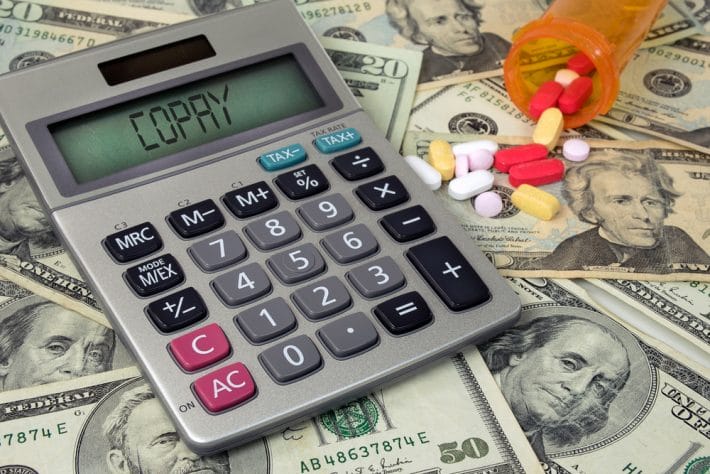
February is when a lot of people notice their pharmacy costs suddenly feel “off,” even if nothing about their health changed. A common reason is that plan resets and mid-winter rule enforcement collide with how prescriptions get refilled, billed, and processed. The frustrating part is that these changes can look like random price bumps when they’re really administrative triggers. If you know what to look for, you can catch the issue while you’re still at the counter instead of paying extra for months. Here are six refill policies that can quietly push copays higher, and the quick moves that help you avoid them.
1. Refill Policies That Restrict Early Fills
Some plans won’t cover a refill until you hit a specific “days remaining” threshold, and February is when enforcement feels stricter for many people after the calendar flips. If you refill even a little too early, the claim can be rejected or reprocessed at a higher price, and it may look like the medication suddenly got more expensive.
Ask the pharmacy to tell you the exact “next fill date” and whether the rejection is timing-related or truly a price change. If you’re traveling or you’ve had dose changes, request an early-fill override and have the pharmacy document the reason. One call to the insurer can save you from paying an inflated amount just because you tried to stay organized.
2. Partial Fills That Trigger Multiple Copays
When a pharmacy doesn’t have enough stock, refill policies may have them dispense a partial fill and ask you to return for the rest. Depending on how the claim is handled, that split can create extra charges or a second copay when the remainder is processed separately.
February is notorious for supply hiccups, especially after winter storms or delayed shipments, which makes this issue more common than people expect. Before you accept a partial, ask whether the remainder will be billed as a continuation or a new fill. If it will cost more, request that the pharmacy transfer the prescription to a location that can fill it in one go.
3. Forced 90-Day Mail Order Rules
Some plans have refill policies that push maintenance medications into a 90-day supply model, often through mail order, and the “push” can show up as higher retail copays if you don’t comply. That means the same medication at the same pharmacy can cost more in February simply because your plan is steering you to a different channel.
Ask your insurer whether your medication qualifies as maintenance and whether you have to use mail order or a preferred pharmacy. If mail order doesn’t work for you, request an exception, especially if delivery timing is risky or you’ve had issues with temperature-sensitive shipments. If you do switch, confirm the next fill timing so you don’t get stuck paying cash during the transition.
4. “Preferred Pharmacy” Networks That Change Your Price
Many plans have preferred pharmacy networks, and going out of network can turn a reasonable copay into a much higher one. The tricky part is that the pharmacy may still accept your insurance, so it feels like everything is fine until the price pops up at checkout. February is when people often switch pharmacies due to convenience, weather, or a new year plan change, and accidentally step outside the preferred list.
Always ask the cashier to confirm whether your location is “preferred” for your plan, not just “in network.” If it isn’t, transfer the prescription to a preferred location before your next refill so you don’t keep paying the penalty.
5. Brand-Substitution Rules and “Dispense as Written” Costs
If your plan strongly favors generics, choosing a brand-name version can trigger a higher copay, a coinsurance charge, or a “penalty” style pricing tier. This can happen even when the brand and generic look similar, or when the prescriber marks “dispense as written” without explaining the cost impact.
If your price jumps in February, ask the pharmacy whether the claim was processed as brand, generic, or non-preferred, and what your plan’s rules are for substitution. In situations where you truly need the brand, ask your prescriber about a prior authorization or medical necessity note that may reduce the cost. If you don’t need the brand, switching to the generic can be the fastest way to bring the price back down.
6. Auto-Refill Timing That Creates Coverage Gaps or Rejections
Auto-refill sounds convenient, but it can also fire too early, too late, or in conflict with insurer timing rules, which can lead to rejections and reprocessing at a different price. When February schedules get messy—holiday delays, weather closures, or new plan rules—auto-refill can create a chain reaction that’s hard to spot.
If your cost changes, check whether the fill was processed on a different day than usual and whether the pharmacy ran it under the right insurance profile. Ask the pharmacy to align auto-refill with the plan’s covered refill date and your real usage, not just a default cycle. If needed, turn auto-refill off and use text alerts so you control the timing.
The Quick Receipt Check That Stops Extra Copays
The easiest way to protect your budget is to treat the pharmacy counter like a mini audit before you pay. Ask what changed if the price is higher, and get the answer in plain language: timing, network status, substitution, or supply-related processing. Then ask what one action fixes it—override, transfer, mail order switch, or a prescriber note—so you’re not guessing. Keeping a simple list of your medications, usual fill dates, and preferred pharmacy locations makes these problems easier to solve quickly. When you catch the trigger early, you avoid paying the higher amount over and over.
Have you ever had a prescription price jump due to refill policies with no warning, and what did you find out was causing it?
What to Read Next…
Prescription Refill Patterns That Lead to Higher Annual Spending
7 Common Medications Affected by Midyear Pricing Shifts
5 of the Cheapest Prescription Drugs in America — and How Patients Are Still Overpaying for Them
Pharmacies Are Limiting Quantities on Common Medications
How People Are Cutting Prescription Costs Using Discounts Pharmacies Don’t Promote

Catherine is a tech-savvy writer who has focused on the personal finance space for more than eight years. She has a Bachelor’s in Information Technology and enjoys showcasing how tech can simplify everyday personal finance tasks like budgeting, spending tracking, and planning for the future. Additionally, she’s explored the ins and outs of the world of side hustles and loves to share what she’s learned along the way. When she’s not working, you can find her relaxing at home in the Pacific Northwest with her two cats or enjoying a cup of coffee at her neighborhood cafe.
Read More


Managing a medication regimen is not just a medical necessity; it is a logistical challenge…

We often blame drug companies for high prices. In 2026, the sticker shock is often…

If you have a chronic condition requiring specialty medication, you are likely familiar with the…

In the past, the battle between brick-and-mortar pharmacies and mail-order giants was fought with one…

We often assume that once a drug goes generic or gets "negotiated" by Medicare, the…

January is when most people set goals, but it’s also when a lot of financial…
Comments