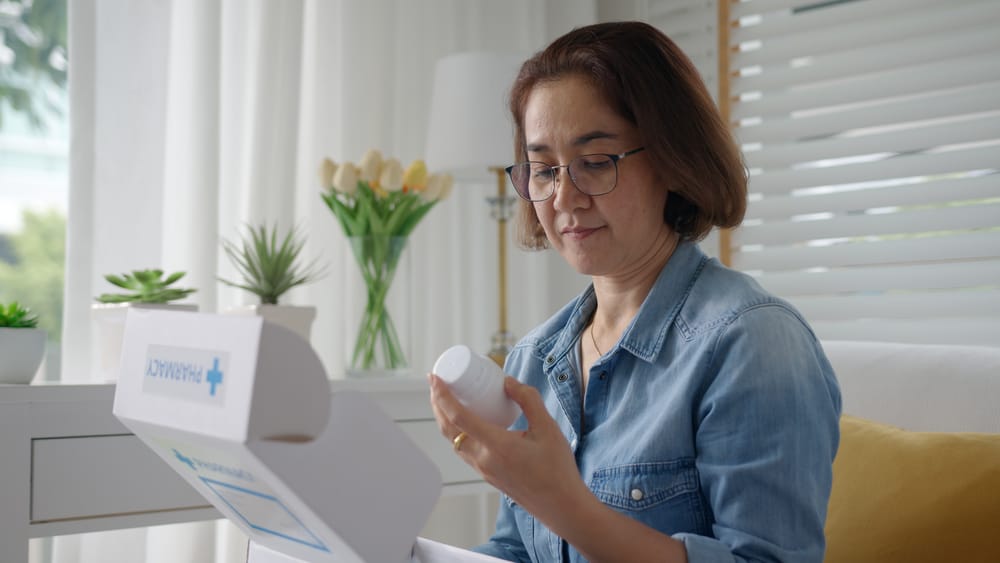
In the past, the battle between brick-and-mortar pharmacies and mail-order giants was fought with one weapon: free shipping. To get you to switch from your local druggist to a massive fulfillment center, insurers and chains promised that your 90-day supply would arrive at your doorstep for free. In 2026, that era of subsidized logistics has ended. Crushed by rising carrier rates from UPS and FedEx, and the explosion of gig-economy courier costs, pharmacies are quietly dismantling the “free delivery” standard.
Today, your checkout screen is likely to be cluttered with a list of logistical line items that didn’t exist a year ago. These fees are often small individually—ranging from $2 to $10—but for a senior on five different medications, they can add up to a significant monthly “logistics tax” that insurance does not cover. Before you click “Checkout” on your next refill, look closely for these seven delivery fees that are being added quietly to the final tally.
1. The “Adult Signature” Surcharge
If you take a controlled substance—such as medication for ADHD, anxiety, or pain—federal and state laws increasingly require an adult signature upon delivery. In the past, pharmacies absorbed the extra $5 to $7 fee that carriers charge for this service. In 2026, that cost will be passed directly to you. You may see a line item for “Secure Delivery” or “Signature Confirmation” on your receipt. This fee applies to every single shipment, meaning if your doctor sends your three controlled medications in three separate packages, you pay the signature fee three times.
2. The “Cold Chain” Material Fee
The skyrocketing popularity of refrigerated medications like Ozempic, Mounjaro, and insulin has created a packaging crisis. Shipping these drugs requires insulated coolers and gel packs that stay frozen for 48 hours. Pharmacies are no longer eating this cost. You will now see a “Thermal Packaging Fee” or “Cold Chain Surcharge” of $4 to $8 added to orders requiring refrigeration. This is distinct from the shipping cost; it is explicitly a charge for the Styrofoam and ice packs. Some specialty pharmacies waive this only if you agree to receive “bulk” shipments (e.g., a 3-month supply) to save on packaging.
3. The “Gig Economy” Service Fee
Local pharmacies (CVS, Walgreens, Rite Aid) have largely outsourced their same-day delivery services to third-party platforms like Uber, DoorDash, or Shipt. When you select “Same Day Delivery” in the app, you aren’t just paying a delivery fee; you are often paying a hidden “Service Fee” and a variable “Small Order Fee” if your copay total is under a certain threshold. Furthermore, unlike the old pharmacy driver who was an employee, these gig drivers expect a tip. The app interface subtly pressures patients to add a $3-$5 tip, turning a “$0 copay” prescription into a $15 transaction just to get it across town.
4. The “Standard Shipping” Minimum
“Free Standard Shipping” used to be universal. Now, it comes with an asterisk. Major pharmacy chains have introduced “Order Minimums” for free mail delivery, typically set at $35 or $50. If you are filling a single cheap generic with a $5 copay, you may be hit with a $4.99 “Standard Shipping” charge because your cart total didn’t meet the threshold. This effectively kills the savings of cheap generics for mail-order patients, forcing them to either bulk-order non-medical items (like vitamins or toothpaste) to hit the minimum or pay a shipping fee that costs as much as the drug itself.
5. The “Split Shipment” Multiplier
Inventory management systems are more fragmented than ever. If you order three medications, they might ship from three different distribution centers across the country. In 2026, some discount pharmacy platforms have stopped consolidating these shipping costs. Instead of one flat fee, you pay a “Per Shipment” fee. If your order is split into three boxes, you pay shipping three times. Read the fine print on the “Review Order” screen carefully; if it says “3 Items, 3 Shipments,” calculate the total delivery cost before confirming, as it might be cheaper to pick them up locally.
6. The “Fuel Surcharge” Pass-Through
Borrowed from the airline and trucking industries, the “Fuel Surcharge” has migrated to prescription delivery. When gas prices spike, courier services trigger a dynamic fee that is passed on to the pharmacy, and subsequently, to you. This fee is often a percentage of the delivery cost (e.g., 5%) rather than a flat rate. While it might only add pennies or a dollar to the bill, it is a variable cost that makes it impossible to predict exactly how much your prescription delivery will cost from month to month.
7. The “Rural Area” Delivery Adjustment
If you live in a ZIP code classified as “Remote” or “Extended Delivery Area” by carriers like FedEx or UPS, pharmacies are now passing on the carrier’s “Delivery Area Surcharge” (DAS). This fee, which can range from $4 to $12, applies to deliveries outside major metropolitan loops. For rural seniors who rely on mail-order meds specifically because the nearest pharmacy is 20 miles away, this surcharge is a punitive tax on their location, making mail-order significantly more expensive than it is for their urban counterparts.
Bundle or Pickup?
The economics of prescription delivery have inverted: convenience now carries a premium price. To avoid these fees, your best strategy is consolidation. Ask your pharmacist to “sync” your refills so all your medications fill on the same day, allowing them to be shipped in a single box with a single signature fee. Alternatively, check if joining the pharmacy’s “Membership Club” (like Walgreens Plus or CVS CarePass) waives these fees. If the math doesn’t work, it might be time to return to the old-fashioned way: driving to the pharmacy yourself to save the $15 in shipping fees.
Did you get charged a “Signature Fee” for a medication left on your porch? Leave a comment below—let us know which delivery fees are frustrating you the most!
You May Also Like…

Teri Monroe started her career in communications working for local government and nonprofits. Today, she is a freelance finance and lifestyle writer and small business owner. In her spare time, she loves golfing with her husband, taking her dog Milo on long walks, and playing pickleball with friends.
Read More

If you've found yourself in legal trouble, you may need to enlist the help of…

Costco is known for good deals on electronics, clothing, shoes and more, but did you…

Credit cards can be useful tools for retirees managing everyday expenses. But increasingly, seniors are…

If you walked into a pharmacy this January expecting to see the "lower prices" promised…
Avoiding unnecessary fees is often critical for financial wellness. However, ensuring you aren’t hit with…

If you booked a hotel room or signed a lease in 2026, you likely noticed…
Comments