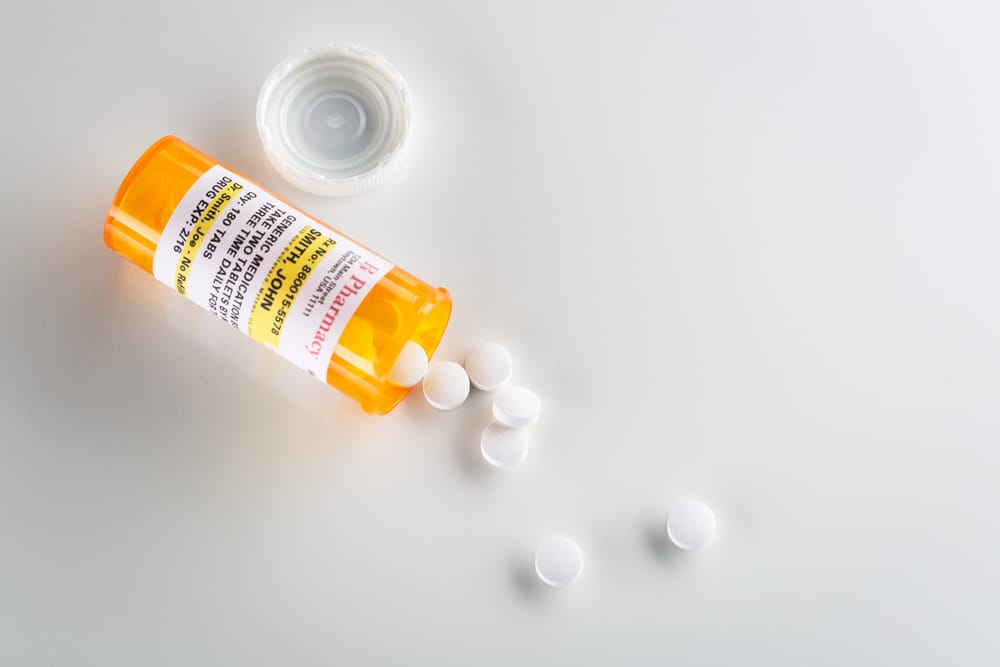
The transaction at the pharmacy counter was predictable: your doctor prescribed thirty pills, and the pharmacist handed you a bottle with thirty pills. If you had a 90-day mail-order benefit, you received a three-month supply in a single package. In 2026, however, that reliability has fractured. Facing a “perfect storm” of lingering manufacturing disruptions, raw material shortages, and record-high demand for lifestyle medications, pharmacies across America have quietly shifted from being dispensers to being rationers.
This rationing often happens at the point of sale, separate from insurance coverage limits. Even if your insurance pays for a full month, the pharmacist may physically limit how much they give you to ensure there is enough inventory left on the shelf for the next patient. This “spread the wealth” strategy is designed to prevent total stockouts, but for the patient, it means more trips to the store, increased copays, and the constant anxiety of running out. Here are the five categories of medication where pharmacies are currently enforcing strict quantity limits.
1. The ADHD “Partial Fill” Protocol
The chronic shortage of stimulant medications like Adderall and Vyvanse has evolved from a temporary crisis into a permanent operational challenge. In 2026, many independent and chain pharmacies have instituted unofficial “Partial Fill” policies. Instead of telling a patient they are out of stock, pharmacists are dispensing a 10 or 14-day supply to tide the patient over until the next truck arrives.
While federal law allows for partial fills of Schedule II controlled substances, the remaining balance often must be filled within 72 hours, or it is forfeited, requiring a brand new prescription. As noted in FDA drug shortage updates, this forces patients into a loop of constant pharmacy visits, often paying a full copay for a half-empty bottle because the billing system cannot prorate the fee for a partial dispense.
2. GLP-1 “Starter Dose” Rationing
The explosive demand for GLP-1 agonists (Wegovy, Zepbound) continues to outpace manufacturing capacity. To manage this, pharmacies are prioritizing existing patients over new ones. If you are just starting a weight loss regimen, you may find that pharmacies are strictly limiting the dispensing of “starter doses” (the lower strengths used to titrate up). Pharmacists are increasingly refusing to fill 90-day supplies of these medications, restricting patients to 30-day fills only.
This creates a “just-in-time” inventory model where patients must call the pharmacy days in advance to “reserve” their box, with no guarantee it will be there. Novo Nordisk’s supply updates have frequently advised that while higher “maintenance” doses are available, the lower doses remain on allocation, forcing pharmacies to act as gatekeepers to prevent hoarding.
3. The “Acute” Opioid Cap (7-Day Limit)
While this trend began with CDC guidelines, it has now become hard-coded pharmacy policy. In 2026, if you present a prescription for an opioid painkiller for an “acute” condition (like wisdom teeth removal or a broken arm), many major pharmacy chains will automatically cap the quantity at a 7-day supply, regardless of what the doctor wrote. If the surgeon prescribed 30 Percocet, the pharmacy computer system may block the fill and only dispense 14, citing “Safety Limits.”
This is a liability shield for the pharmacy, designed to prevent unused opioids from entering the community. Patients with legitimate severe pain often find themselves arguing with the pharmacist or needing to call their surgeon for a “diagnosis code override” just to get the medication originally prescribed.
4. Pediatric Antibiotic Limits
The supply chain for liquid antibiotics, specifically Amoxicillin, remains incredibly fragile due to raw material shortages in overseas manufacturing hubs. During “Triple-Demic” surges (flu, RSV, COVID), pharmacies frequently run low on the liquid suspensions used for children’s ear infections.
To ensure every sick child gets something, pharmacists are rationing bottles. Instead of dispensing a large bottle that might result in leftovers, they are dispensing the exact milliliters required for the course of therapy, sometimes splitting stock bottles between patients. In severe shortage areas, parents are being told that only one course of antibiotics will be dispensed at a time, preventing families with multiple sick children from “stocking up” in anticipation of the illness spreading through the house.
5. The 90-Day Supply Blockade
Perhaps the most widespread change affects patients with chronic conditions like high blood pressure or thyroid issues. For years, insurance companies incentivized 90-day fills. Now, pharmacies are fighting back. Due to “Just-in-Time” ordering systems that keep inventory lean, many local pharmacies simply do not have 270 pills of a specific drug on the shelf.
To avoid emptying their entire stock for one customer, pharmacists are rejecting 90-day requests and reverting them to 30-day fills. This allows them to serve three customers instead of one. While this keeps the medication flowing to the community, it often doubles the patient’s out-of-pocket cost, as they lose the “3 months for the price of 2” discount that comes with the bulk fill.
Call Ahead, Don’t Just Show Up
The era of assuming your prescription will be ready in an hour is over. In 2026, medication inventory is a fluid resource. If you take a medication that is prone to shortages, do not wait until you have one pill left to request a refill. Call the pharmacy five days in advance and ask specifically: “Do you have the full quantity in stock, or will this be a partial fill?” If they are rationing, you need time to call other pharmacies or ask your doctor for an alternative before you run out completely.
Have you been forced to accept a partial fill for your medication this month? Leave a comment below—we are tracking which drugs are currently being rationed by pharmacies.
You May Also Like…
- 5 of the Cheapest Prescription Drugs in America — and How Patients Are Still Overpaying for Them
- These 5 Prescription Drug Changes Quietly Took Effect This Year — and Patients Are Just Noticing
- 5 Prescription Management Programs That Increase Copays
- Prescription Delivery Fees Are Being Added Quietly
- Prescription Dispensing Fees Are Rising in Urban Areas

Teri Monroe started her career in communications working for local government and nonprofits. Today, she is a freelance finance and lifestyle writer and small business owner. In her spare time, she loves golfing with her husband, taking her dog Milo on long walks, and playing pickleball with friends.
Read More


There are plenty of steps that you can take to help you become financially successful,…

When we think about medication side effects, we usually imagine headaches, nausea, or maybe drowsiness.…

Prescription discount cards have long helped retirees reduce out-of-pocket medication costs. These cards, offered by…

Prescription costs are becoming a significant burden for Baby Boomers, particularly those on fixed incomes…
A COMMON ENEMY Israel completed its voluntary withdrawal from Gaza on September 12, 2005, forcing…

If you have a chronic condition requiring specialty medication, you are likely familiar with the…
Comments