We often think of our personality as something set in stone—a collection of traits like “kind,” “patient,” or “outgoing” that define who we are. However, psychology suggests that our character is much more like a garden; it changes based on the environment in which it grows.

When we live under constant pressure, a “slow drip” of accumulated stress begins to change us. This change is so gradual that we often don’t notice it until we look back and realize we no longer recognize ourselves.
Without a regular emotional check-in to monitor these internal shifts, we can drift far away from our true nature. Chronic stress forces the psyche to prioritize survival over personality, creating a “Survival Self” that is often more rigid, reactive, and closed off than who we really are.
The Biological Architect of Personality
Our character isn’t just in our minds; it is deeply rooted in our biology. When you are stressed for a long time, your brain actually rewires itself to handle what it perceives as a dangerous environment. The amygdala, the part of the brain that scans for threats, becomes enlarged and hyper-active.
This makes you naturally more suspicious, less trusting, and more likely to see “enemies” where there are only friends.
At the same time, the prefrontal cortex—the area responsible for the “better angels of our nature,” such as patience, logic, and long-term thinking—begins to lose its influence. It is physically exhausting for the brain to keep this area powered up during a crisis.
As a result, your ability to regulate your temper or think before you speak is the first thing to go. You aren’t “becoming a mean person”; your brain is simply shifting its resources away from social grace and toward raw survival.
The Erosion of Key Character Traits
This biological shift leads to the erosion of traits that we value most. One of the most common changes is a shift from openness to rigidity. When life feels out of control, stressed people often become obsessed with small routines and extreme control. They might become “difficult” or “stubborn” because any change feels like a threat to their fragile sense of safety.
Empathy also suffers because it requires “emotional bandwidth” that a stressed person simply doesn’t have. If your internal world is on fire, it is nearly impossible to genuinely care about someone else’s problems. You may become more self-centered, not out of malice, but because you are in a state of depletion.
Over time, this can even lead to compromises in your values. You might find yourself snapping at a child or being dishonest at work just to get through the day, leading to a “moral injury” where your actions no longer align with the person you want to be.
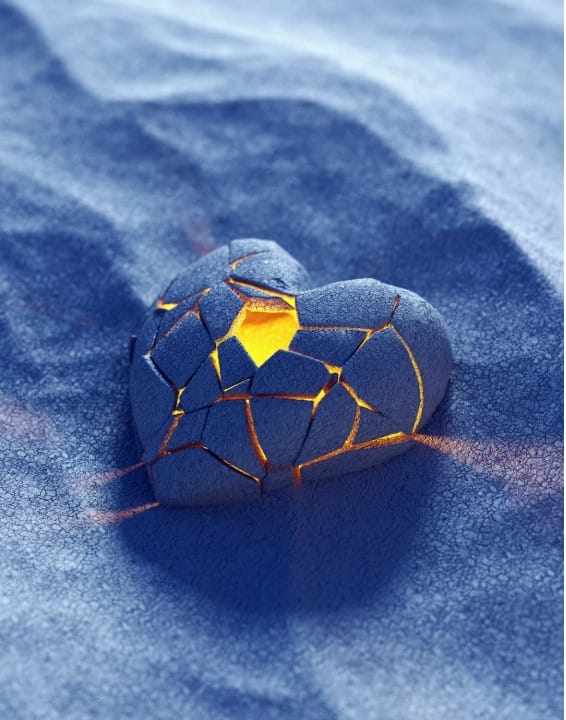
The Social Mirror: How Others See the Stress Mask
Because these changes happen slowly, we are often the last to know that our character has shifted. We see the “Social Mirror” through the reactions of people around us. A person who was once known for being “kind and easygoing” might find that their friends are now walking on eggshells around them.
This is the “Irritability Loop.” Your internal stress makes you snappy, which causes others to pull away or react defensively, which in turn increases your stress and reinforces your belief that the world is a hostile place.
Many people also move from being active participants in their lives to being passive observers. You might stop suggesting plans, stop sharing your opinions, and start withdrawing from social circles.
You aren’t “antisocial”; you are simply using all your energy just to exist.
The tragedy is that this withdrawal often removes the very support systems—friends, laughter, and community—that could help lower your stress levels in the first place.
Returning to the Original Self
The good news is that these changes are not necessarily permanent. Because if your brain changed in response to a lack of safety, it can change back when safety is restored. This process begins with “de-escalation.” You have to send consistent signals to your nervous system that the war is over. This can be done through deep breathing, spending time in nature, or setting firm boundaries that protect your time and energy.
Awareness is your most powerful tool. You must learn to distinguish between “who I am” and “how I am reacting.” When you feel that surge of irritability or that urge to hide from the world, acknowledge it as a symptom of stress rather than a flaw in your character. By identifying the “Survival Self” as a temporary mask, you give yourself the permission and the space to take it off and return to your softer, more authentic self.
Final Word
Accumulated stress doesn’t just make us tired; it makes us different. It thins our patience, clouds our kindness, and makes our world feel smaller and more dangerous. But you are still in there, beneath the layers of pressure and the “Survival Self” you’ve had to build.
Challenge yourself today to look at a photo of yourself from five years ago. Look past the physical appearance and try to remember a “soft” quality you had then—maybe it was a sense of humor, a curiosity, or a willingness to help. Identify that quality and invite it back into your life for just one hour today.
You aren’t losing yourself; you are just waiting for the right environment to bloom again.
Read More


. . . and desperately need to be reformed (if you ask me). An…

Saving money often feels like an uphill battle. You're told to stash away emergency cash,…

The holiday season is usually considered one of the most joyous times of the year.…

Are you aware of the common financial pitfalls that trap most people? Financial pitfalls don't…

If you're a student who wants to avoid the burden of student loans, you might…

Christmas gifting is supposed to be joyful, but certain items can unintentionally create tension, embarrassment,…
Comments