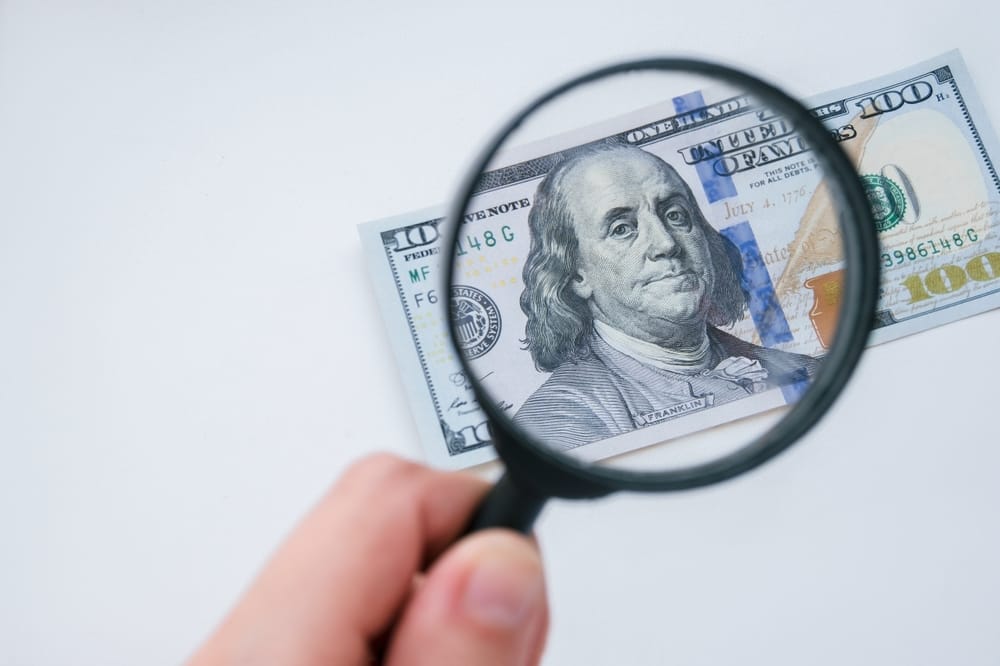
If you scroll through Facebook or watch YouTube finance channels, you have almost certainly seen the headline: “New $2,000 Direct Deposit Approved for Seniors in February 2026.” The videos often feature official-looking IRS logos, AI-generated voices of political figures, and “confirmation” dates that seem just around the corner.
For seniors struggling with inflation, this news feels like a lifeline. Unfortunately, it is also a lie. As of February 2026, there is no federal legislation authorizing a fourth stimulus check or a specific $2,000 senior rebate. The rumors are a mix of misunderstood legislative proposals, clickbait content farms, and malicious phishing scams. Relying on this misinformation can disrupt your budgeting or, worse, expose you to identity theft. Here is the truth behind the viral claims and what is actually happening with your money this month.
The Origins of the “$2,000” Rumor
The specific figure of $2,000 has been circulating since 2020, but it recently resurfaced due to a game of “telephone” involving political proposals. In late 2025, there was vague political discussion regarding a “Tariff Dividend”—a proposal to distribute revenue from new trade tariffs back to citizens.
While this idea was floated in interviews, it never became law. It has not passed Congress, no funds have been appropriated, and the IRS has no mechanism to send it. Content farms and AI-generated news sites have taken these theoretical discussions and repackaged them as “Approved” news to generate ad revenue, confusing millions of retirees.
The “SSI Double Payment” Confusion
One reason the “February Bonus” rumor persists is a quirk in the Social Security calendar. Supplemental Security Income (SSI) recipients typically receive their payments on the 1st of the month. However, because February 1, 2026, fell on a Sunday, the administration sent the payment early on Friday, January 30.
This means SSI recipients received two checks in January (one on the 1st, one on the 30th). Unscrupulous YouTubers often frame this standard calendar adjustment as a “Bonus Payment” or a “Surprise Stimulus.” It is not extra money; it is simply your February money arriving 48 hours early.
The Real Danger: “Click to Claim” Phishing
The most dangerous aspect of these rumors is the call to action. Many viral posts claim you must “register” or “verify your status” to receive the $2,000 deposit. They link to websites that look like the IRS portal but are actually data-harvesting traps.
If you enter your Social Security number, date of birth, and bank account information into these third-party sites, scammers can redirect your actual Social Security benefits or file a fraudulent tax return in your name. Remember: The IRS never initiates contact via email, text, or social media to ask for bank details. If a payment were real, it would arrive automatically, just like the 2020/2021 checks did.
The Medicare “Flex Card” Conflation
Another source of confusion in February is the aggressive marketing for Medicare Advantage plans. The Medicare Open Enrollment Period (OEP) runs until March 31, 2026. Private insurance agents are flooding the airwaves with ads for “Flex Cards” that offer up to $2,000 for dental, vision, and groceries.
These ads often mimic government announcements, using language like “2026 Health Stimulus” or “Senior Food Allowance.” Seniors often confuse these private insurance benefits (which are only available on specific plans in specific zip codes) with a federal government stimulus check. Switching your Medicare plan just to get a “grocery card” can inadvertently cause you to lose your preferred doctor or drug coverage.
State Rebates vs. Federal Stimulus
While there is no federal check coming, some residents are receiving state-specific payments in early 2026, which adds to the confusion.
- New Jersey: The ANCHOR property tax relief program is distributing payments to eligible homeowners and renters.
- Colorado: TABOR refunds continue to be processed for those who filed late.
- Alaska: The Permanent Fund Dividend (PFD) applications are open, with some prior-year payments distributed in February.
- Pennsylvania: The expanded Property Tax/Rent Rebate program is accepting applications for payments later this year.
If you see a neighbor getting a check, it is likely one of these state programs, not a nationwide IRS stimulus.
How to Verify “Free Money” News
In 2026, you cannot trust headlines on social media feeds. To verify any payment claim:
- Go directly to IRS.gov and look at the “Newsroom” tab. If a $2,000 check existed, it would be the top story.
- Check SSA.gov for updates on cost-of-living adjustments (which were finalized at 2.8% for 2026).
- Ignore any video that uses a robotic voice or shows a “countdown clock.”
Protect Your Data
The only “guaranteed” increase in your bank account this month is the 2.8% COLA that started in January. Anything else promising a lump sum of $2,000 is almost certainly a mirage designed to separate you from your identity.
Did you receive a text message claiming your “stimulus” was on hold? Leave a comment below—warn others about the number!
You May Also Like…
- Where Tariff Price Hikes Will Hit Your Wallet First
- 12 Financial Habits Helping Boomers Stay Ahead of Inflation
- Are Social Security Benefits Losing Buying Power Faster Than Inflation?
- The Hidden Ways Inflation Is Still Affecting Your Grocery Receipt
- 10 High‑Inflation Winter Costs Seniors Can Still Control

Teri Monroe started her career in communications working for local government and nonprofits. Today, she is a freelance finance and lifestyle writer and small business owner. In her spare time, she loves golfing with her husband, taking her dog Milo on long walks, and playing pickleball with friends.
Read More


I understand the argument behind the advice of putting at least a 20% down payment…

Whether it is an influencer on Reddit or YouTube or professional traders and institutions…

Budgeting in retirement is a necessity, but not all budget hacks are created equal. Some…
If you opened your mailbox this week to find an IRS Form 1099-K from Venmo,…

Opening your mailbox and seeing that distinctive "Internal Revenue Service" return address is enough to…
The IRS has finalized new regulations that could catch many retirement savers off guard. Starting…
Comments