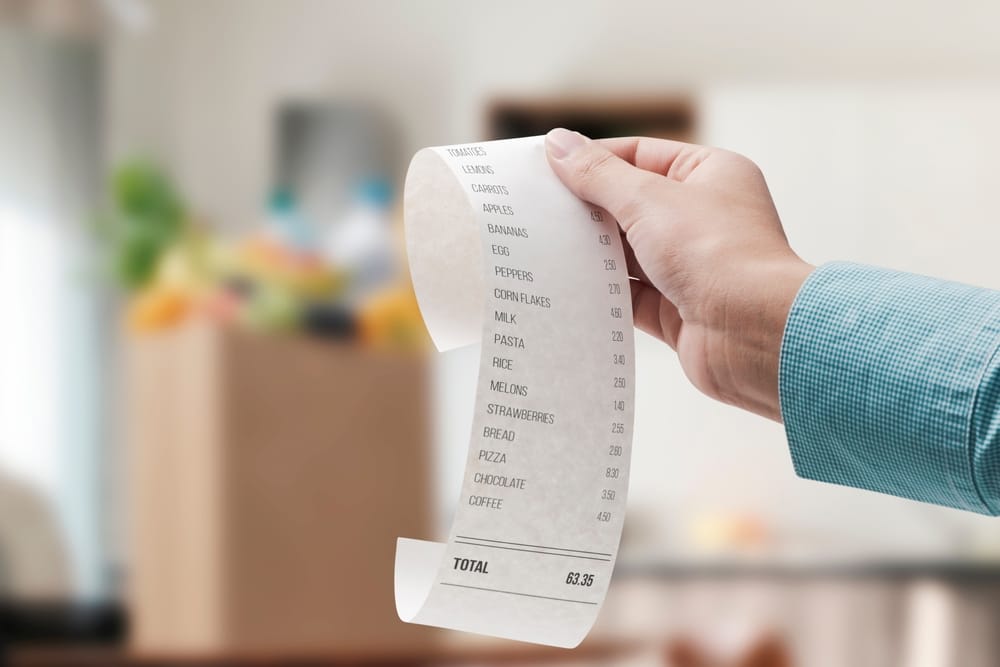
While headline inflation figures have stabilized compared to the peaks of recent years, the reality reflected on your weekly grocery receipt often tells a much different story. Consumers across the country are noticing that while the rapid price spikes have slowed, the “new normal” for food costs remains significantly higher than pre-pandemic levels. This persistent elevation in prices is driven by a complex mix of labor shortages, volatile fuel costs, and ongoing global supply chain adjustments. For many households, the kitchen table has become the primary site of economic stress as they attempt to balance nutrition with a tightening budget. Understanding the mechanics of these costs is essential for any shopper looking to navigate the modern supermarket landscape effectively.
The Subtle Creep of Shrinkflation
One of the most frustrating ways inflation remains hidden on your grocery receipt is through the phenomenon known as shrinkflation, where product sizes decrease while prices stay the same. You may notice that your favorite cereal box feels slightly lighter or that your gallon of orange juice has been replaced by a fifty-nine-ounce container. Manufacturers use this tactic to offset rising raw material costs without triggering the psychological “sticker shock” that comes with a visible price increase. Over time, these missing ounces add up to a significant reduction in your overall purchasing power. It is more important than ever to check the “price per unit” rather than just the final price tag on the shelf.
The End of Deep Discount Cycles
In the past, savvy shoppers could rely on predictable seasonal sale cycles to stock their pantries, but many of these “loss leader” strategies have vanished. Your grocery receipt is likely missing the deep 50% discounts that were once common for staples like pasta, canned goods, and frozen meats. Retailers have moved toward more modest “buy one, get one at a discount” offers that require higher upfront spending to achieve any meaningful savings. This shift in promotional strategy means that even dedicated coupon-clippers are finding it harder to beat the system. The reduction in high-value sales events is a quiet but powerful way that inflation continues to erode the average household’s food budget.
Skimpflation and the Quality Decline
Beyond rising prices and smaller packages, a trend called “skimpflation” is quietly affecting the value of what you buy. This occurs when companies reformulate products with cheaper ingredients—such as swapping out expensive oils for lower-grade alternatives—to maintain profit margins. While the price on your grocery receipt might look familiar, the quality and nutritional density of the food you are bringing home may have diminished. This hidden form of inflation forces consumers to buy more or supplement their diet with additional items, further increasing their total monthly outlay. Staying loyal to brands that maintain their ingredient integrity is becoming a vital, yet increasingly expensive, consumer choice.
The Surge in “Store Brand” Popularity
As name-brand items reach record highs, many consumers are turning to private-label or store-brand products to keep their grocery receipt under control. Historically viewed as inferior, modern store brands have significantly improved in quality and often come from the same manufacturing facilities as their premium counterparts. Many retailers are leaning into this trend by expanding their organic and gourmet store-brand lines to capture shoppers who are trading down. For most, the switch to generic staples is no longer a temporary fix but a permanent change in their shopping philosophy.
Logistics and the Last-Mile Premium
The cost of getting food from the farm to the shelf is still heavily influenced by the “last-mile” logistics expenses that peaked during the supply chain crisis. Every item on your grocery receipt carries a portion of the cost of diesel fuel, refrigerated trucking, and warehouse labor, all of which remain elevated in 2025. Even as crop prices for certain commodities fall, these structural overhead costs prevent retailers from passing those savings on to the final consumer. Localized disruptions, such as extreme weather events affecting specific growing regions, can also cause localized price spikes that linger for months. These logistical pressures ensure that the floor for food prices remains much higher than many economists originally anticipated.
The Digital Divide in Couponing
The transition from paper circulars to app-based digital coupons has created a new barrier for consumers looking to lower their grocery receipt totals. Many of the best deals are now “hidden” behind loyalty apps that require shoppers to proactively “clip” digital offers before heading to the checkout. This system benefits those with the time and technological literacy to navigate these platforms, while leaving others to pay the full “shelf price” for the same items. This data-driven approach allows stores to track your specific spending categories while offering targeted discounts that encourage more frequent trips. While these apps can provide real relief, they also represent a shift toward a more complex and time-consuming shopping experience.
Navigating the Future of Food Costs
To combat the ongoing effects of inflation, consumers must move beyond traditional list-making and embrace more strategic shopping habits. This includes tracking your common purchases over time to identify when a “sale” is actually a good deal versus a marketing gimmick. Utilizing price-comparison tools and being willing to visit multiple stores for different categories can also help shave significant percentages off your total. Preparing meals from whole, unprocessed ingredients remains the most consistent way to bypass the premiums added by manufacturing and packaging. By becoming more intentional with every selection, you can reclaim the power of your paycheck and ensure your family remains well-fed.
What is the one item on your grocery receipt that has seen the most shocking price increase lately, and have you found a way to replace it? Leave a comment below and let us know your best money-saving tips.
You May Also Like…
- Grocery Prices Are Jumping in Certain Texas Metro Areas
- 10 Winter Grocery Swaps Helping Seniors Save Big
- Grocery Chains Are Quietly Removing Senior Perks After the Holidays
- 8 Inflation-Driven Grocery Swaps Seniors Are Making to Stretch Budgets
- 4 Ways Grocery Chains Are Adjusting or Ending Senior Discount Days

Teri Monroe started her career in communications working for local government and nonprofits. Today, she is a freelance finance and lifestyle writer and small business owner. In her spare time, she loves golfing with her husband, taking her dog Milo on long walks, and playing pickleball with friends.
Read More


President Gerald Ford labeled inflation “public enemy number one” when it climbed to 20 percent…

You may read or hear the term “inflation fears” being used with increasing frequency. In…

I like finding the hidden costs in personal finances. Hidden costs are those costs that…

Housing Market Peaking? Home sales continue at record levels. However, prices show signs of easing…

Lumber Prices Up, Down, Up Again The decrease in lumber costs looked like the light…

Winter grocery shopping has become more expensive for seniors as prices climb on produce, pantry…
Comments