Noticing that your energy levels aren’t what they used to be? Perhaps you’re finding it extra hard to shed that stubborn weight? First, let us assure you that you’re not alone. Secondly, this is perfectly normal – as we age and our metabolism slows down, we need fewer calories than we once did.
However, this doesn’t mean that the solution is to eat less and call it a day. No, the key is to make sure whatever calories you consume actually count. In other words, what you need is a diet packed with nutrient-rich foods that can help maintain energy, support muscle strength, and reduce the risk of chronic diseases.
Still, as we age, certain dietary adjustments become more important. You may need more protein to preserve muscle mass, extra fiber to keep digestion on track, and fewer high-fat or processed foods to protect your heart. If this sounds like it’s too much work, don’t worry, it really and truly isn’t. With just a few minor adjustments to your diet and lifestyle, you can feel better, healthier, and more energetic.
Here is what to prioritize, avoid (or at least consume less), plus tips for maintaining a healthy weight.
Focus on a Rainbow of Vegetables and Fruits
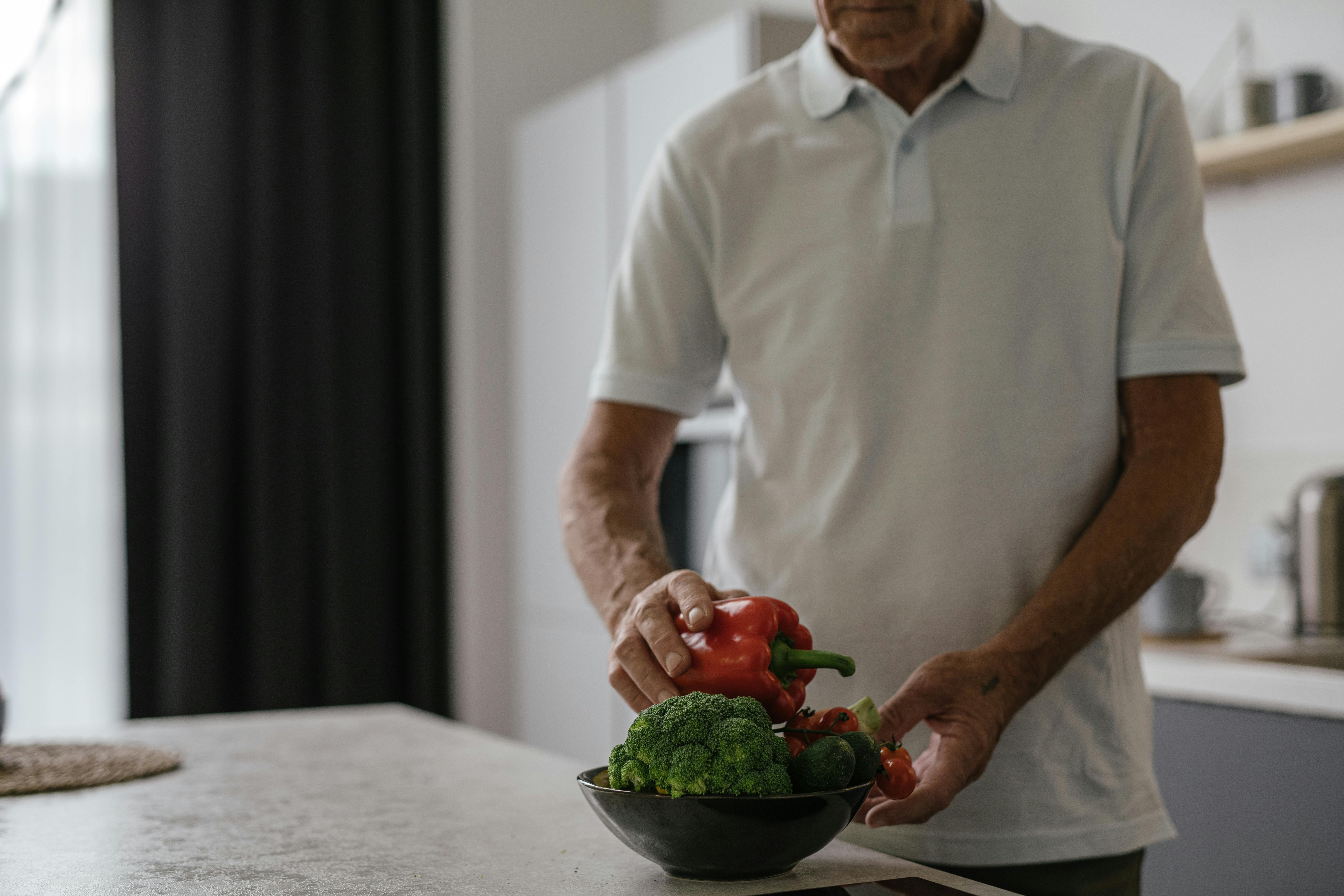
Incorporating a variety of colorful fruits and vegetables into your meals is the best way to get all (or at least most) essential vitamins, minerals, and antioxidants, all of which are important for maintaining health and preventing chronic diseases.
For example, did you know that consuming leafy greens like spinach, kale and collards, and berries such as blueberries and strawberries can lead to improved brain function and slow down cognitive decline? It’s true, so make sure you include plenty of those (as well as fatty fish and nuts, but more on that later) in your diet.
Prioritize Lean Protein
Maintaining muscle mass is harder as we age, but is incredibly important nonetheless. In fact, age-related muscle loss can greatly impact your quality of life as it increases the risk of frailty, disability, and even death.
The best way to fight muscle loss is to increase lean protein sources in your diet and exercise regularly, with a focus on strength training. Good protein sources include fish and poultry, but also beans and legumes. If you’re vegetarian or vegan, protein-packed alternatives become even more important: soy, peas, and lentils, for example, can all help you maintain muscle mass.
Increase Fiber Intake
If you struggle with constipation, you’re not alone – according to research, about one-third of older adults have at least occasional symptoms of constipation. To prevent this, include more foods rich in fiber in your diet while increasing your water intake.
Whole grains, fruits, vegetables, and legumes are excellent sources of fiber. Exercise is important here, too, as long periods of inactivity can also cause constipation.
Maintain a Healthy Weight
Achieving and maintaining a healthy weight is vital for overall well-being, but becomes increasingly harder as we age. For one, muscle loss we talked about? It not only leads to less definition and more flabbiness, but it also makes it harder for your body to use the calories you’re eating (muscle burns more calories than fat). Most older adults are also less active than they need to be, which is another reason why it becomes harder to not only maintain a healthy weight but actually achieve it.
While reducing calorie intake and engaging in regular physical activity are foundational strategies, some seniors with insulin resistance or diabetes might consider additional support through medication.
For example, using Tirzepatide in weight management has gained attention for its role in helping regulate appetite and support weight loss when combined with healthy lifestyle choices.
Stay Hydrated and Limit Sodium
Dehydration can lead to various health issues, including urinary tract infections and kidney problems. And it’s easier to become dehydrated than you think. For example, you don’t have to actually be thirsty to be mildly dehydrated but you may experience lightheadedness or a headache, or feel more tired than usual.
For this reason, drinking water regularly throughout the day is crucial, even if you don’t feel thirsty. If you can’t drink a lot of plain water, herbal teas can also be a good choice.
Limit Processed Foods
Processed foods often contain added sugars, unhealthy fats, and high levels of sodium, all of which are unhealthy for your body. In fact, research consistently shows that consuming processed foods on a regular basis increases risk for all kinds of chronic diseases, including cardiovascular disease, type 2 diabetes, neurodegenerative diseases, and cancer.
It’s always best to focus on whole foods: they provide better nutrition and support overall health. And don’t worry – the longer you eat healthy, wholesome foods, the tastier they become.
If you’re busy or simply find it hard to remember to include more wholesome foods in your diet, plan meals ahead. It’s a great way to ensure a balanced diet and prevent impulsive, less healthy food choices.
Read More


People will tell you that if you want to save money on electricity, then you…

If you've found yourself in legal trouble, you may need to enlist the help of…

Budgeting in retirement is a necessity, but not all budget hacks are created equal. Some…

A car is a basic necessity in many ways, so it's important for you to…

Raising a pet doesn't have to break the bank. With savvy strategies and a bit…

Ah, spring is around the corner....and that means tax season is here as well.…
Comments