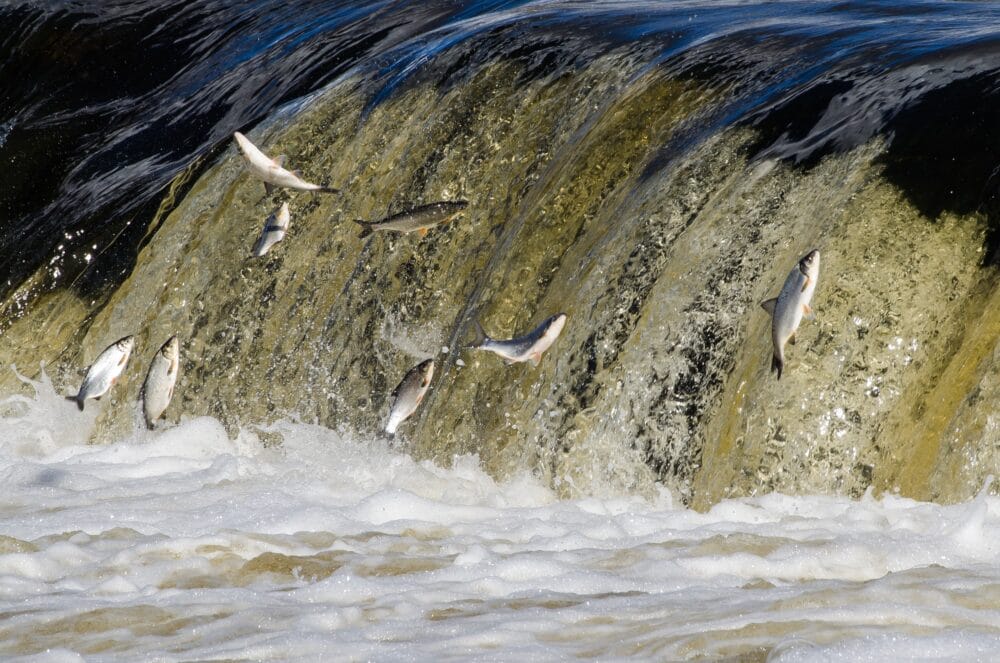
I’ve spent most of my life swimming against much of mainstream consumer culture. I didn’t set out to swim upstream (those years of trying to be like everyone else still haunt me), but over time I simply realized that spending and keeping up with the Joneses isn’t what I want out of life. What I really want out of life is security, calm, quiet, and contentment. I don’t need big thrills or the sense of being one with the in-crowd. When I realized this, it became clear that modern consumer culture, with it’s go-go all the time, big spending, and being “on-trend” in everything from cars to houses to clothes, wasn’t for me. My values simply don’t align with that world.
Gradually I adjusted my behaviors to avoid things that caused me stress and unnecessary spending, and embraced those things that led to the security (savings) and calm I yearned for. I molded my life to reflect what I value most. Over time I realized that these changes had me doing things either not at all, at off-peak times, or in my own way. As a result, I’m wealthier and healthier than I once believed possible.
Now, I’m not saying there’s necessarily anything wrong with wanting to be part of our go-go, consumer-oriented world. If that’s what you love, then by all means have at it. Just try to keep the spending to a reasonable amount and try to make some healthy choices along the way. Our world can break you, both financially and health-wise, if you don’t put some guardrails around the desire to have it all.
If, however, you find yourself longing for ways to avoid some hassle and expense, here are some ideas, mined from my own experiences, that may help you swim upstream and buck some norms.
Travel
- Travel at off-peak times and dates. It’s cheaper and far less stressful.
- Avoid the tourist traps and all-inclusives. Head for the local and off the beaten path places for cheaper, less crowded, and often better experiences.
- Avoid rush hour and stop/go traffic. Try to time your commute/work hours to avoid this, or negotiate some work from home time. You’ll save a ton of stress and potential for accidents.
- Don’t buy more car than you need. Do you really need the monster SUV, or will a small sedan work? Be honest!
- Don’t always have a car payment. Cars don’t need to be replaced frequently. Pay one off and save for a while before you buy another. Don’t believe, “I’ll always have a car payment.”
- Don’t upgrade the car “just because” or because you believe it’s too expensive to repair. Keep the car until it falls apart. Most repairs are far cheaper than years of new car payments.
- Boats/RV’s/ATV’s/Golf Carts and other toys are generally not worth it. Only buy if you are 100% certain that you’ll use it frequently. And then buy used if you must, but you’re still probably better off renting or borrowing a unit when you need it.
- Try being a one or no car household. We’re taught in America that you must have two cars and, yes, in some places that’s true. But in many places you can get by with one car or no car at all. Maybe you rent one if you need it for a trip.
- If you don’t enjoy travel, don’t bother. Some people feel almost obligated to travel because it’s what others are doing, or it’s expected. But if you’re happier at home, stay home.
Shopping
- Do errands on weekdays or late at night when places aren’t crowded. It’s far less stressful and you can think.
- Shop when you have the time to think/compare items, not when you’re short on time. When you’re in a hurry, you often don’t make the best decisions. Shop when you have time to make good decisions.
- Don’t buy the newest anything. Wait for price drops, sales, or refurbed/used items.
- Shop in alternative places like thrift stores, farmer’s markets, outlets, yard sales, and secondhand shops. It’s usually cheaper and the merchandise is more unique.
- Never shop recreationally. Passing the time in Target is asking for trouble.
- Only visit online shops when you need something. Don’t log in to see what’s new, or when you’re bored.
- Borrow/rent anything you don’t have to own.
- Barter is still a valid way of obtaining goods and services. Find local barter groups online or at libraries or community centers.
- Shopping/eating local won’t always save you money, but it’s a good feeling. It’s nice to support a local business when you can, even if it doesn’t save a ton of money.
Entertainment
- Choose local performances/teams rather than megastars or national leagues. They’re cheaper, less crowded, and often very good.
- Wait for DVD, streaming, or the cheap movie theater rather than first run movies.
- You can have a lot of fun at home. Game nights, pot luck dinners, movies nights, etc. Invite your friends over and skip the clubs and bars.
- If you must go out, you can have fun at free places like parks, museums, local festivals, or free events sponsored by schools or charitable groups. Look around your area for free things to do.
- Cut the cable and get an antenna, use free streaming services, and have maybe one paid streaming service at a time. You don’t need every streaming service (or any) at once. Rotate your services, or just get by with the free, ad-supported offerings.
- Give up TV altogether. It’s not popular, but ditching TV saves money, frees up time for other pursuits, and can keep you healthier.
- Get over your sports addiction. Sports are almost a religion here, but they’re expensive to watch, either on TV or in person. Find other ways to spend your time, or at least be content with whatever broadcasts you can pick up via antenna. Or here’s a novel idea: Find a local rec league and actually play whatever sport you’re interested in. That’s far more fulfilling than watching.
- Library, library, library for everything from books to movies to fun programming. Many offer far more than books. Some even loan out things like cake pans, laptops, or tools, or have seed libraries for gardeners.
- Eat out at lunch or at early bird times for lower prices and smaller crowds, rather than Friday and Saturday nights. And avoid New Year’s Eve like the plague.
Health
- Avoid processed and fast foods. Basic, natural foods are cheaper and healthier.
- Exercise, but skip the trendy gym membership. Work out at home or by running/walking in your neighborhood.
- Don’t drink or smoke. Drinking is especially hardwired into our culture and it’s sometimes awkward to be a teetotaler.
- Walk or bike when possible. Be the weirdo who walks to the store instead of driving the SUV.
- Set firm boundaries between work and life. It’s not easy, but the amount of stress it saves can add years to your life.
- Skip social media, or at least use it sparingly. The toll on your mental health (and the wasted time) isn’t worth it.
- Stay ahead of your health. The longer you can stay healthy, the more money you’ll save. Take care of yourself and keep up with routine screenings and physicals. No one likes it, and they say they don’t have time to be healthy, but you really have to make it a priority if you want everything else in life to go smoothly.
Housing
- Don’t buy more than you need. Some starter homes are good for your whole life. A townhome or condo might be a better fit for you than a house with a big yard. Know what you really need and don’t buy what others tell you to buy.
- Don’t upgrade/remodel the kitchen/bath, etc. because you’re bored or chasing trends. So what if the fixtures are out of date? As long as things work and are safe, it’s fine. Whatever you choose will be out of date in five years, anyway, so it just puts you on a never ending treadmill. Remodels are hugely expensive and should be avoided for all but necessary reasons.
- Don’t buy what the bank will lend you. They might tell you that they’ll lend you $500K. However, if you can only comfortably afford a $300K house, that’s the part that matters. Maxing out the loan will only make you house poor.
- Don’t move/upgrade often. Every time you move, you’re incurring expenses that eat into your equity and savings. Buy a house and stay put. Don’t give in to the upgrade every five years nonsense.
- Don’t buy if you don’t want to. If buying doesn’t make sense for your situation, or you just don’t want the hassle/responsibility of ownership, don’t buy. Plenty of people rent their whole lives and are happy and wealthy, despite the “happy homeowner” narrative in this country.
- Don’t treat the house like a bank. Equity loans add to your debt load and risk level. If you lose your job, that’s more money that has to be paid back to the bank and if you can’t pay, they take the house. It also means less money when you sell. Only use your equity in an emergency (and not the kind of emergency that you “forgot” to save for like an AC or roof replacement). Otherwise, save it so you can have the max available when you sell.
- DIY for savings and satisfaction. Instead of hiring every little thing out, learn to DIY. It saves money and gives you a confidence boost. Plus some DIY doubles as exercise (mowing the lawn, trimming shrubs, painting, etc.).
Major Life Decisions
- Kids are (generally) optional. If you don’t want them, don’t have them to please others or because you think you should.
- Marriage is optional. Divorce is one of the most financially devastating things you’ll go through, so be certain you want to be married before tying the knot. And if you do…
- Big weddings are optional. You’re just as married if you have a small garden celebration instead of the royal wedding.
- College isn’t for everyone. If you have other interests/plans, don’t burden yourself with the debt. Go to trade school, get a 2-year degree in something, or join the military.
- Sorry, but you will (hopefully) get old one day. No matter how invincible you feel today, time will pass and you will (likely) retire, incur higher medical bills as you age, and ultimately need some sort of assistive care. Start saving for retirement from your very first job, even if it means giving up some “fun.” No one else is going to look out for you, so it’s your responsibility to ensure that future you has resources.
- Your life is yours. Whatever decision you’re dealing with, remember that it’s your life. Don’t live the life others expect or demand of you. Live according to your values, abilities, and means.
What are your “swim upstream” ways to save money and stay healthier? How do you go against society’s norms? Let us know in the comments.
Read More:
- 20 Ways To Break Your TV Habit And Save A Fortune
- Alternative Ways To Get Your Kicks
- Keeping Up With The Joneses Kills Your Individuality
- Un-Joneses of the World: Speak Up!
Come back to what you love! Dollardig.com is the most reliable cash-back site on the web. Just sign up, click, shop, and get full cashback!

Jennifer Derrick is a freelance writer, novelist and children’s book author. When she’s not writing Jennifer enjoys running marathons, playing tennis, boardgames and reading pretty much everything she can get her hands on. You can learn more about Jennifer at: https://jenniferderrick.com/.
Read More


The Great Resignation In the midst of the current labor shortage, 4.3 million Americans quit…


If you’ve lost your job in the last 15 months, you’re not alone. The Center…

Is 2022 your year of big savings? Do you want to set aside as much…

The best things in life may be unnecessarily expensive for a lot of avoidable reasons.…

If you find value in these articles, please share them with your inner circle…

Dear Dave, I just discovered you and your teachings a couple of weeks ago. I’m…
Comments