Hosting a successful event, whether a music festival, trade show, or conference, can be challenging. There are countless logistics to consider, from the venue and vendors to the entertainment and marketing. But beyond the organizational aspects, keeping profitability in mind is also important. Running a successful event that generates a profit requires careful planning, execution, and follow-up. Here are four tips to ensure success.
- Set clear goals and objectives

Setting clear goals and objectives is a fundamental step when hosting large-scale gatherings. This can guide decision-making throughout the planning process, allowing you to make informed choices about everything from marketing strategies to vendor selection. Also, you can tailor your event to meet those specific aims. For example, if your goal is to generate revenue, you may need to focus on securing high-value sponsors or charging a premium for tickets. To build brand awareness, you can prioritize creating a compelling brand experience and leveraging social media to reach a wider audience.
Setting clear goals and objectives allows you to create metrics for measuring success. You can track your progress and adjust by identifying specific targets, such as attendance numbers or revenue goals. Metrics can also help you identify areas you may need to change for future events. For example, if your attendance numbers were lower than expected, you can reevaluate your marketing strategy or explore different event formats to boost attendance.
- Conduct market research
Conducting market research allows you to gather insights and data that can help you fine-tune your event concept, pricing, and marketing strategy. Market research can help you identify potential challenges and opportunities, enabling you to make informed decisions about everything from vendor selection to event format. One of the first steps in conducting market research is to define your target audience. Who are you trying to attract to your event, and what are their needs and interests? Once you understand your target audience, you can gather information about them, such as their demographics, purchasing behaviors, and attitudes toward events.
Competitive research is another critical aspect of market research. By analyzing your competitors’ events, you can identify potential gaps in the market and opportunities to differentiate your event. Look at similar events in your industry and evaluate their strengths and weaknesses. This information can help you identify areas to improve your event and create a more compelling offering for attendees. Stay up-to-date with industry news and developments, such as new technologies or emerging trends. This information can help you stay ahead of the curve.
- Create a comprehensive budget
A budget helps you identify potential costs, allocate resources, and ensure your event is profitable. It’s essential to thoroughly approach the budget, considering all potential costs associated with your event. When creating your budget, it’s essential to factor in both fixed and variable costs. Fixed costs are expenses that do not change regardless of how many attendees appear or how much revenue is generated. Variable costs, on the other hand, are expenses that change based on attendance or other factors. For example, catering costs may increase if more attendees appear than expected.
Start by identifying your major expenses, such as venue rental, equipment rental, catering, and marketing. Once you have identified your major expenses, break them down into smaller, more specific items. One often-overlooked expense is event insurance. One-day event insurance protects against liability claims arising from accidents or injuries. This type of insurance covers many risks, including property damage, bodily injury, and legal fees. One day event insurance cost is approximately $76.5 a day according to Insuranks.com.
- Choose the right venue
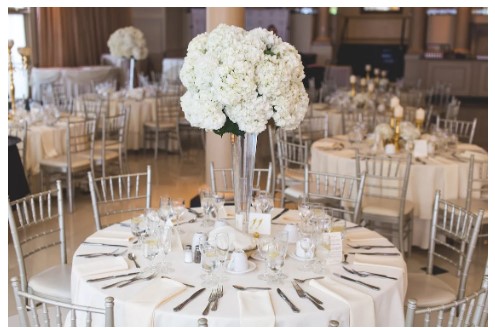
Choosing the right venue sets the tone for your event and can impact everything from attendance to the attendee experience. Consider the number of attendees you expect, the event format, and any activities or equipment used. You’ll want to ensure enough space for attendees to move around comfortably and that the venue can accommodate your needs. Also, the venue should be easily accessible for attendees, with convenient transportation options and ample parking. Consider the venue’s proximity to hotels, restaurants, and other amenities that attendees may need or want to use during their visit. The venue should have all the necessary facilities, such as restrooms, catering, and audiovisual equipment. Additionally, amenities such as Wi-Fi or charging stations can enhance the attendee experience and make your event more appealing, so feel free to consider this.
By strategically planning your event, you can create a successful and profitable gathering that meets your goals and objectives.
Read More


People will tell you that if you want to save money on electricity, then you…

If you've found yourself in legal trouble, you may need to enlist the help of…

A car is a basic necessity in many ways, so it's important for you to…

Raising a pet doesn't have to break the bank. With savvy strategies and a bit…

Ah, spring is around the corner....and that means tax season is here as well.…

When I was in college, I frequently moved—often once a year or more. Moving then…
Comments