According to data, more than one in five Americans has been directly responsible for others’ care needs. Caregiving requires an emotional, physical and mental capacity to provide the best level of care. Aside from these, it is also important to pay attention to safety at all times. While caregiving at home is a great opportunity to make and save money, being safety-conscious can help reduce the inconveniences and hazards usually associated with the job. Below are some tips on achieving that.
- Conduct home assessment
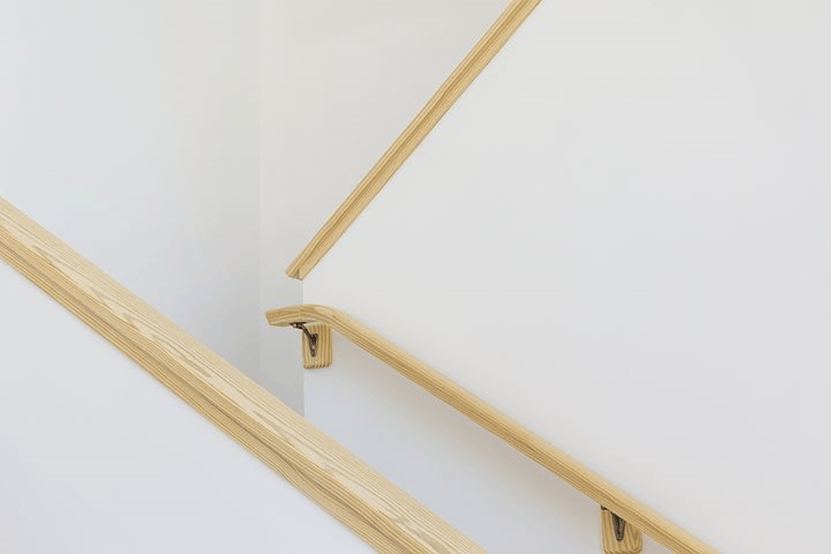
Do you have a safety plan if you are caregiving at home? How do you even conduct a safety plan at home? You can start by taking a walk in the home, especially in areas with the most traffic, to determine possible hazards. Are there sloping floors, weakened handrails, or none at all? Additionally, what type of flooring is in your home? Is it glossy tiled, and fall-prone? After answering all these questions, you would have realized that you need to make some changes to ensure your home is a safe space.
Your subject’s assistance will also influence the kind of checks to conduct around the home. For instance, if they are only moved around in wheelchairs, are the doors at home wide enough to accommodate smooth entry and exits? If they are not, you may want to contact a professional to assess how any expansions or widening can be carried out.
- Use the right tools for the job
Safety begins by using the right tool or equipment for the job. You will limit the potential for serious injury when you stick to this personal and professional rule as a caregiver. For example, if you must change the light bulb that suddenly went out in the home, it would be best to use a stable A-shaped ladder. If you try to compromise by standing on a table or chair, you inadvertently create a safety hazard. The point here is to avoid compromising when you work as a caregiver. Doing this can save you and the cared-for from needless harm.
- Know your physical limits
Reports indicate that most caregivers often forget to pay attention to themselves when providing these crucial services. Without a doubt, it is commendable to put the needs of the person requiring your care before you. However, experts say the best way to care for them is to know your physical limits too. As a carer, any injury caused in the line of duty will cause unpleasant ripple effects. You risk missing the opportunity to care for the person who needs you most.
Going beyond your physical limits increases your risk of harming yourself and the one being cared for. This is particularly relevant when bathing an elderly parent. The combination of lifting and sometimes gently pulling can strain your body. For example, muscle fatigue is common among caregivers. This is why it is advisable to take timed breaks to stretch your muscles, especially your back. Any muscle tension created in your body (if you have to carry your subject) can be immediately relieved.
Read More


People will tell you that if you want to save money on electricity, then you…

If you've found yourself in legal trouble, you may need to enlist the help of…

A car is a basic necessity in many ways, so it's important for you to…

Raising a pet doesn't have to break the bank. With savvy strategies and a bit…

Ah, spring is around the corner....and that means tax season is here as well.…

When I was in college, I frequently moved—often once a year or more. Moving then…
Comments