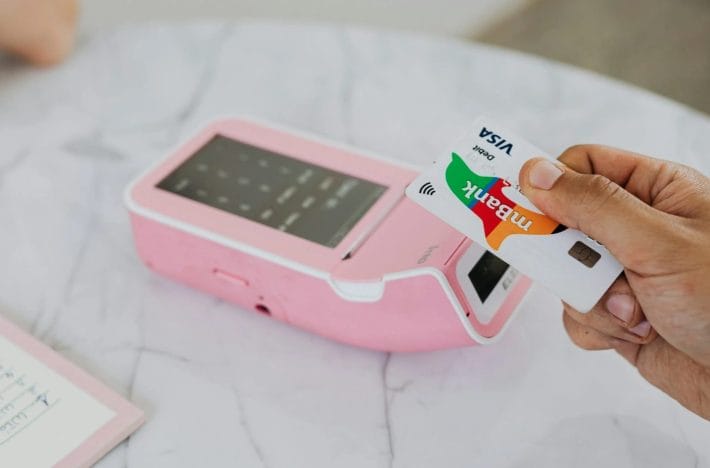
If you’ve ever stood at a checkout line expecting to tap your card, only to be told it’s not accepted, you’re not alone. Millions of shoppers encounter this moment every day at Walmart, one of the largest retailers in the world. In an era where contactless payments are nearly everywhere, the absence of tap-to-pay at Walmart feels outdated and confusing. Many customers assume it’s a technical limitation, but the reality is far more strategic. Understanding why Walmart tap payments are not supported reveals a deeper story about control, cost, and customer data.
Walmart Wants to Control the Payment Experience
Walmart has invested heavily in its own payment ecosystem, particularly Walmart Pay, which is integrated into its mobile app. This system allows customers to scan a QR code instead of tapping a card, keeping the entire transaction within Walmart’s digital environment. By doing this, Walmart maintains full control over how payments are processed and how customer data is captured. For example, every Walmart Pay transaction can be tied directly to purchase history, preferences, and shopping habits. This level of insight is far more valuable than a standard tap payment, which offers limited data. Ultimately, Walmart tap payments are restricted because the company prefers a system that strengthens its long-term customer relationship strategy.
Avoiding Credit Card Processing Fees
One of the biggest hidden costs in retail is credit card processing fees, which can range from 1.5% to 3.5% per transaction. For a company like Walmart, which processes billions of transactions annually, even a small percentage translates into massive costs. Tap-to-pay transactions typically rely on major card networks like Visa and Mastercard, which charge these fees. By steering customers toward Walmart Pay or other payment methods, the company can reduce reliance on traditional card networks. For instance, linking a bank account through Walmart Pay can significantly lower transaction costs. This financial incentive is a major reason Walmart tap payments have not been widely adopted.
Security and Fraud Considerations
While contactless payments are generally considered safe, Walmart has historically taken a cautious approach to new payment technologies. Tap-to-pay systems rely on near-field communication (NFC), which, although secure, still introduces potential vulnerabilities if not managed properly. Walmart has chosen to prioritize its own QR-based system, which it believes offers more controlled security measures. For example, Walmart Pay requires app authentication, adding an extra layer of protection compared to simply tapping a card. This approach can reduce certain types of fraud, especially in high-traffic stores. As a result, concerns about maintaining consistent security standards also play a role in limiting Walmart tap payments.
Pushing Customers Toward Its App Ecosystem
Another key reason behind Walmart’s stance is its broader digital strategy. The Walmart app is not just a payment tool; it’s a gateway to savings, promotions, and personalized recommendations. By encouraging customers to use Walmart Pay, the company increases app downloads and engagement. Imagine a shopper who initially downloads the app just to pay, but then starts using digital coupons, grocery pickup, or delivery services. This creates a more loyal and higher-value customer over time. Walmart tap payments, on the other hand, bypass this ecosystem entirely, offering no incentive for deeper engagement.
Consistency Across Stores and Systems
Walmart operates thousands of stores across different regions, each with complex systems and infrastructure. Rolling out tap-to-pay nationwide would require upgrading hardware, retraining employees, and ensuring compatibility across all locations. While many retailers have made this transition, Walmart has prioritized consistency and cost-efficiency over rapid adoption. For example, maintaining a single payment method like Walmart Pay simplifies operations and reduces technical issues. This consistency helps avoid checkout delays and confusion for staff and customers alike. In this context, limiting Walmart tap payments is as much about operational efficiency as it is about strategy.
What This Means for Shoppers Today
For everyday customers, the lack of tap-to-pay can feel inconvenient, especially when other retailers offer it as a standard option. However, there are practical workarounds that can make the experience smoother. Using Walmart Pay, for instance, allows you to store multiple payment methods and check out quickly with a simple scan. You can also use traditional chip cards or cash without any issues at checkout. While Walmart tap payments may not be available, the company has ensured that alternative methods remain accessible and functional. Understanding these options can help you avoid frustration and save time during your shopping trips.
Why Walmart’s Payment Strategy Matters More Than You Think
Walmart’s decision to avoid tap-to-pay isn’t just about technology; it’s a reflection of how modern retailers compete. Control over payments means control over data, costs, and customer relationships, all of which directly impact pricing and service. In a competitive retail environment, even small advantages can translate into billions in revenue. Walmart tap payments may seem like a minor inconvenience, but they highlight a larger shift toward closed ecosystems in retail. As shoppers, being aware of these strategies helps you make more informed decisions about where and how you spend your money.
Do you think Walmart should finally adopt tap-to-pay, or does its current system make sense? Share your thoughts in the comments and join the conversation.
What to Read Next
Is Walmart Closed on Easter 2026?
80-Year-Old Becomes Homeless After Solo Cross-Country Trip: Walmart Angel Steps Up
Walmart Employees Say These 7 Shopping Habits Can Get You Flagged at Self-Checkout

Teri Monroe started her career in communications working for local government and nonprofits. Today, she is a freelance finance and lifestyle writer and small business owner. In her spare time, she loves golfing with her husband, taking her dog Milo on long walks, and playing pickleball with friends.
Read More


As the largest U.S. retailer, many people rely on Walmart for their basics and household…

There are huge disadvantages of having no credit score. I actually know this better than…
Lately I've been thinking about getting the Target Red card. (Note that this post is…

I understand the argument behind the advice of putting at least a 20% down payment…
Do you love to travel but hate to spend a lot of money on…

We've all wished at some point in our lives that we knew more about finance.…
Comments