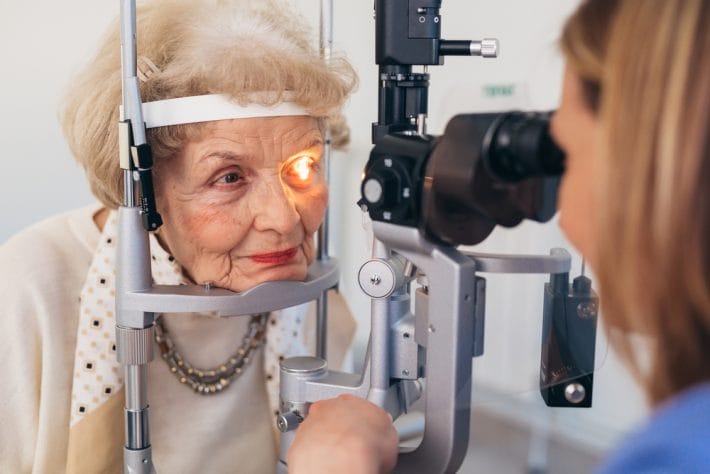
Most people think of eye exams as a way to update their glasses or contacts—but your eyes can actually reveal much more. In fact, eye doctors often detect serious health conditions before symptoms even begin, simply by examining blood vessels, nerves, and tissue inside your eyes. Because the eye is the only place in the body where doctors can directly view blood vessels without surgery, it offers a unique window into your overall health. That means a routine visit could uncover issues that might otherwise go unnoticed for months—or even years. If you’ve been putting off your exam, these six health issues might change your mind.
1. Diabetes: The Silent Damage Eye Doctors Often Catch First
One of the most common conditions eye doctors detect early is diabetes. Changes in the tiny blood vessels in the retina can signal diabetic retinopathy long before you feel any symptoms. In real-world cases, many patients have discovered they had diabetes only after an eye exam revealed unusual bleeding or swelling. This matters because diabetic retinopathy is the leading cause of blindness among working-age adults, yet early detection can prevent up to 90% of vision loss. Even more concerning, people with diabetes are also at higher risk for other eye diseases like glaucoma and cataracts. That’s why yearly exams are strongly recommended—even if your vision feels perfectly fine.
2. High Blood Pressure: A “Silent Killer” Revealed in Your Eyes
High blood pressure rarely shows obvious symptoms, which is why it’s often called the “silent killer.” But inside your eyes, the signs can be surprisingly clear. Eye doctors can spot narrowed, leaking, or twisted blood vessels—early indicators of hypertension. Considering that nearly half of U.S. adults have high blood pressure, this kind of early detection can be life-saving. Left untreated, hypertension increases your risk of heart attack, stroke, and kidney damage.
3. Glaucoma: Vision Loss That Happens Without Warning
Glaucoma is often called the “silent thief of sight” because it causes gradual vision loss without noticeable symptoms. It damages the optic nerve, often due to increased pressure inside the eye. During a comprehensive exam, your eye doctor measures eye pressure and examines the optic nerve for early damage. Without early detection, glaucoma can lead to permanent blindness.
4. High Cholesterol: Hidden Clues Around Your Cornea
Most people associate high cholesterol with heart health, not eye health. However, eye doctors can sometimes see cholesterol deposits as rings around the cornea or plaques in blood vessels. These signs may appear before you’ve had any bloodwork done. These deposits can even break loose and increase the risk of stroke. That makes an eye exam a surprisingly powerful early warning system for cardiovascular issues.
5. Neurological Conditions: Brain Issues That Show Up in the Optic Nerve
Your optic nerve is directly connected to your brain, which means eye exams can reveal neurological problems. Swelling of the optic nerve, known as papilledema, may indicate increased pressure in the brain from conditions like tumors or aneurysms. Doctors may also notice unusual pupil reactions or vision field changes tied to neurological disorders. In some cases, these findings lead to life-saving follow-up imaging like MRIs. It’s one of the clearest examples of how your eyes truly reflect what’s happening inside your body.
6. Autoimmune and Inflammatory Diseases: Subtle Signs You Might Miss
Conditions like lupus, rheumatoid arthritis, and other autoimmune disorders can show up in your eyes early. Symptoms such as chronic dryness, inflammation, or unusual tissue changes may point to a larger issue. Because these diseases often develop gradually, patients may ignore early warning signs. Eye doctors are trained to recognize patterns that don’t look “normal” and refer patients for further testing. Early diagnosis can make a major difference in managing long-term health outcomes.
Why Skipping Eye Exams Could Cost You More Than Your Vision
It’s easy to delay an eye exam when your vision seems fine, but that’s exactly when hidden problems can develop. Many serious conditions—including diabetes, glaucoma, and hypertension—often have no early symptoms. By the time you notice something is wrong, damage may already be significant.
Routine eye exams offer a low-cost, non-invasive way to catch these issues early and take action. In many cases, that early detection could protect not just your sight—but your life.
When was the last time you had a full eye exam—and did it reveal anything unexpected about your health?
What to Read Next
Bathroom Breakthrough: AI Powered Smart Toilet Seats Spot Health Issues Before Symptoms Appear
9 Prescription Habits That Could Put Your Health at Risk
Why Better Sleep Positioning Could Help Your Cardiovascular Health
3.1 Million Eye Drops Recalled: The Spring 2026 Safety Warning Every Household Should Know
AI‑Powered Eye Scan Can Predict Heart Disease Risk in Under 60 Seconds

Amanda Blankenship is Chief Editor at District Media, Inc., leading content strategy, quality assurance, and editorial operations across high-traffic personal finance sites like SavingAdvice.com and CleverDude.com. A Wingate University graduate with a BA in Communications (Journalism focus), she brings over a decade of experience in digital publishing, writing, and team leadership in the personal finance space.
Read More


I like finding the hidden costs in personal finances. Hidden costs are those costs that…

We never really value our health until it fails us. And then we find out…

For millions of retirees, Medicare Advantage plans seem like the perfect solution–affordable premiums, bundled benefits,…

Treat yourself. We see this advice all of the time. And yet, it's all too…


Most people understand that living without health insurance means taking on a risk. However, the…

Health insurance plays an important part in financial planning. In addition to protecting your health…
Comments