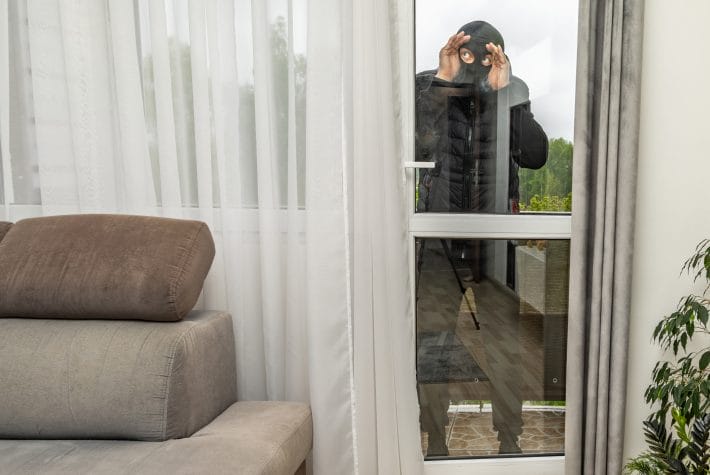
When most people think of a home break-in, they imagine smashed windows or kicked-in doors. But what if someone could unlock your front door in seconds—without leaving a trace? That’s exactly what’s happening with a little-known method called “bump key” entry. It’s fast, quiet, and shockingly effective against many common household locks. If you’ve never heard of it, you’re not alone—but understanding it could be the difference between staying safe and becoming an easy target.
What Is a Bump Key and Why It’s So Effective
A bump key is a specially modified key designed to open standard pin tumbler locks without the original key. These locks are used in most homes, which makes the technique widely applicable. When the bump key is tapped while slight pressure is applied, the internal pins momentarily align, allowing the lock to turn. This entire process can take just seconds and requires minimal skill compared to traditional lock picking. Because of its simplicity and effectiveness, bump key break-ins have become a growing concern among security experts.
Why Most Homes Are Surprisingly Vulnerable
The biggest issue is that most residential doors use basic pin tumbler locks. These locks were never designed with modern bypass techniques like bump key entry in mind. In fact, a small set of bump keys can potentially open a large percentage of standard locks. That means a determined intruder doesn’t need your exact key—just a compatible blank. Even newer locks can be vulnerable if they lack advanced security features. This widespread vulnerability is what makes the bump key problem so concerning for homeowners.
The Scariest Part: No Signs of Forced Entry
Unlike traditional break-ins, bump key entry often leaves little to no visible damage. There are no broken locks, no splintered doors, and no obvious signs of tampering. In many cases, homeowners don’t even realize how someone got inside. Law enforcement may classify these incidents as “no forced entry,” making them harder to investigate. This can also create complications with insurance claims if there’s no clear evidence of a break-in. The stealthy nature of bump key break-ins is what makes them especially dangerous.
Why Criminals Prefer This Method
Speed and simplicity are the main reasons criminals turn to bump key techniques. Unlike lock picking, which requires practice and patience, bumping can be learned quickly. It also doesn’t require expensive or specialized tools—just a modified key and a small amount of force. Because it’s quiet, it attracts less attention than breaking glass or forcing doors. Criminals can get in and out quickly, reducing their risk of being caught. For opportunistic thieves, this method offers a low-risk, high-reward entry point.
5 Ways to Protect Your Home From Bump Key Break-Ins
Luckily, there are some things you can do to protect your home from bump key break-ins. Here are five things that have been successful in reducing risk.
- Upgrade to high-security locks designed to resist bumping with advanced pin systems.
- Install smart locks that don’t rely on traditional key-and-pin mechanisms.
- Reinforce doors and strike plates to add another layer of protection.
- Use security cameras or doorbell systems to deter suspicious activity.
- Consider a professional security assessment to identify weak points in your home.
These steps may seem simple, but they significantly reduce your risk. Modern security solutions are designed to address vulnerabilities like bump key entry. Even small upgrades can make your home a less appealing target.
Don’t Let a Silent Break-In Catch You Off Guard
The bump key problem highlights a simple but important truth: not all locks are as secure as they seem. While this method isn’t new, it remains under the radar for many homeowners. Taking action now—before something happens—can save you stress, money, and potential loss. Upgrading your locks and improving your home security doesn’t have to be complicated or expensive. What matters most is being proactive instead of reactive. The quietest break-ins are often the most dangerous, so don’t ignore this hidden risk.
Have you ever upgraded your home locks or considered doing it after learning about bump key break-ins? Share your thoughts in the comments—we’d love to hear your experience.
What to Read Next
HJR 205 Fails: What Florida’s Abandoned Property‑Tax Amendment Would Have Changed for Homeowners
5 Common Scams Targeting Homeowners Over 60 Right Now
Why Co‑Ops Are Becoming a Smart Alternative to Homeownership in Certain States
Why Nearly 40% of U.S. Homeowners Are Mortgage‑Free — And Boomers Lead the Way
9 Home Insurance Surprises Hitting Older Homeowners in 2026

Amanda Blankenship is Chief Editor at District Media, Inc., leading content strategy, quality assurance, and editorial operations across high-traffic personal finance sites like SavingAdvice.com and CleverDude.com. A Wingate University graduate with a BA in Communications (Journalism focus), she brings over a decade of experience in digital publishing, writing, and team leadership in the personal finance space.
Read More


Managing household finances can often feel overwhelming, especially with the seemingly endless list of expenses…

Most homeowners think once they’ve secured insurance, they’re protected, no questions asked. But what many…

If you’re on Medicare—or helping a parent or spouse manage their coverage—there’s a growing problem…

Water damage is one of the most common and costly risks homeowners face. For retirees,…

Time is the most valuable resource we have. Not wealth. Not people. Not knowledge. Not…

Don’t Let Your Brain Be the Boss! Written by Barbara Huson Quick. Pick one. Which would…
Comments