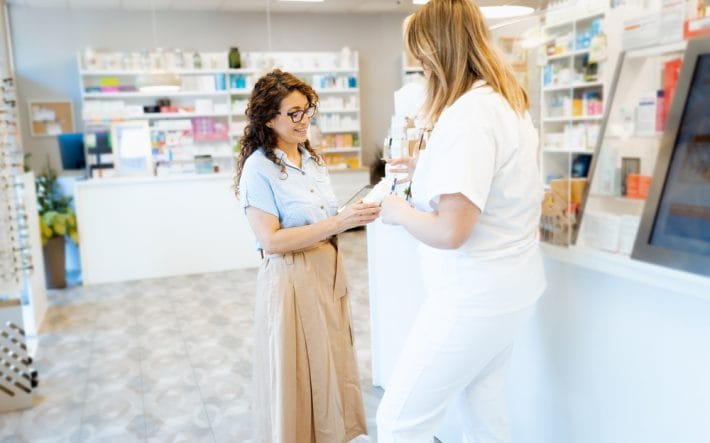
It feels like a win when your doctor hands you a free medication sample—no pharmacy trip, no upfront cost, and immediate relief. But behind that small box is a much bigger system at work, one that most patients never see. Pharmaceutical companies spend billions every year to get their medications into doctors’ hands, and free samples are one of their most powerful tools. In fact, drugmakers invest heavily in this strategy specifically to influence prescribing habits and long-term use. For seniors and budget-conscious patients, understanding the real purpose of these samples could help you avoid higher costs and make smarter healthcare decisions.
Free Samples Are a Powerful Marketing Strategy
Free drug samples are not random acts of generosity—they’re part of a deliberate marketing strategy. Pharmaceutical companies spend tens of billions annually promoting medications, and samples are a major piece of that effort. These samples are designed to introduce patients to newer, brand-name drugs instead of older generics. Once a patient starts a medication, doctors are more likely to continue prescribing it long-term. That means what begins as “free” can turn into an expensive ongoing prescription.
They Can Influence What Doctors Prescribe
Research consistently shows that access to free drug samples can change prescribing behavior. Doctors with samples available are more likely to prescribe those specific medications—even when cheaper alternatives exist. While physicians aim to make the best decisions for patients, subtle marketing influences are hard to avoid. Even small interactions with pharmaceutical reps can shape prescribing patterns over time. This doesn’t mean your doctor is acting in bad faith—but it does mean samples aren’t entirely neutral.
Most Samples Are Brand-Name Drugs—Not Generics
Another key detail many patients miss is that free samples are almost always brand-name medications. These drugs tend to be newer, more heavily advertised, and significantly more expensive than generic options. Once the sample runs out, you may find yourself paying a much higher price to continue treatment. That’s especially important for seniors on fixed incomes who need predictable healthcare costs. In many cases, a generic drug could offer the same benefit at a fraction of the price.
“Free” Today Can Mean Higher Costs Later
While samples may save money upfront, they often lead to higher long-term expenses. Studies show that patients who receive samples tend to have higher overall out-of-pocket costs than those who don’t. That’s because they’re more likely to stick with the brand-name drug they started with. Over time, those higher prescription costs add up—especially for chronic conditions. What feels like a financial break today could quietly strain your budget later.
Samples Aren’t Always Given to Those Who Need Them Most
You might assume free samples are primarily given to patients who can’t afford medication—but that’s not always the case. Research shows that insured and higher-income patients are actually more likely to receive samples. Meanwhile, those with the greatest financial need may not benefit as much from this system. This disconnect highlights how samples function more as a marketing tool than a targeted assistance program. It’s another reason to approach them with a critical eye.
They Help Launch and Promote New Drugs Quickly
Free samples are especially common with newly released medications. Drug companies use them to get patients started quickly, creating familiarity and trust with the product. Once patients see results, they’re less likely to switch—even if a cheaper alternative exists. This strategy helps new drugs gain market share faster. For patients, it means you may be introduced to a medication before fully exploring all available options.
There Are Some Legitimate Benefits for Patients
To be fair, free drug samples aren’t all bad. They can provide immediate access to medication without waiting for a prescription to be filled. For short-term treatments, they can reduce waste by letting patients “try before they buy.” They can also help patients who are temporarily struggling to afford medication. However, these benefits are usually short-lived compared to the long-term implications.
What You Should Do Before Accepting a Sample
Before accepting a free drug sample, it’s worth asking a few simple questions. Is there a generic version of this medication available? What will it cost once the sample runs out? Are there alternative treatments that might be more affordable long-term? Having this conversation with your doctor or pharmacist can help you make a more informed decision. Remember, the goal isn’t to reject samples entirely—but to use them wisely.
The Hidden Truth About Free Drug Samples—and How to Protect Your Wallet
Free drug samples can feel like a helpful shortcut, but they often come with strings attached. They are designed to influence prescribing habits, promote brand-name drugs, and build long-term usage. For seniors and anyone managing healthcare costs, that can lead to unexpected financial pressure over time. The smartest approach is to stay informed, ask questions, and consider long-term affordability before starting any new medication. A little awareness now can save you hundreds—or even thousands—down the road.
Have you ever started a medication from a free sample and been surprised by the cost later? Share your experience in the comments.
What to Read Next
Medicare’s New Drug Price Reductions Start Soon: Here Are the 10 Medications Affected
The 10 Common Drugs That Just Got Significantly Cheaper Under New Medicare Rules
The New “TrumpRx” Portal: How to Access GLP-1 Weight Loss Drugs for $50
7 Common Medications Linked to Long-Term Cognitive Decline
Six of The Most Dangerous Medications Still Prescribed to Seniors

Amanda Blankenship is Chief Editor at District Media, Inc., leading content strategy, quality assurance, and editorial operations across high-traffic personal finance sites like SavingAdvice.com and CleverDude.com. A Wingate University graduate with a BA in Communications (Journalism focus), she brings over a decade of experience in digital publishing, writing, and team leadership in the personal finance space.
Read More


Debt Collection Changes How many times do you question a friend request on social…


Production cuts during the pandemic, drought in Asia, increased demand, and a shipping bottleneck. All…

How do you determine the value of a company? Share price is one common way…

When you borrow money today, you are robbing your future self of funds you may…

Prenups still carry a strange stigma. Many people assume they’re only for the rich—or that…

Dear Dave, My husband and I want to do a live-in and flip real estate…
Comments