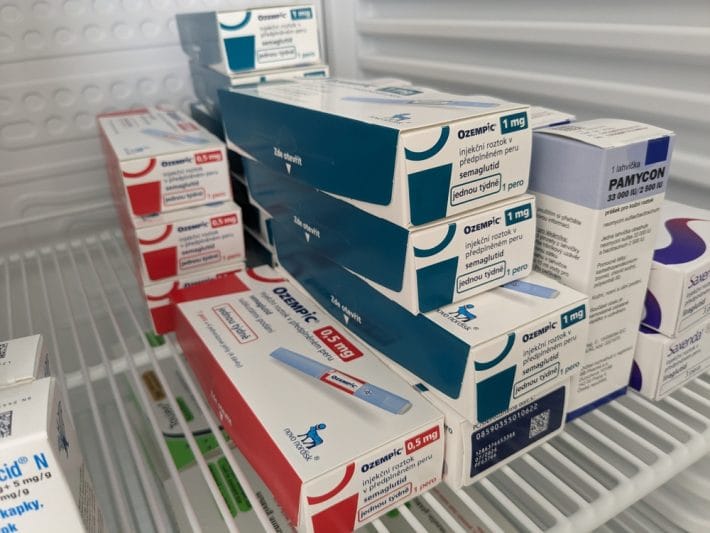
For years, Ozempic and similar drugs were known mainly for managing diabetes and promoting weight loss. But now, doctors are paying attention for a completely different reason—heart recovery. New research suggests these medications may help patients heal after a heart attack, potentially reducing complications and improving outcomes. This shift is catching the medical community’s attention because it could change how heart patients are treated long after they leave the hospital. If you or a loved one has cardiovascular concerns, here’s what you need to know.
How Ozempic Works Beyond Blood Sugar Control
Ozempic belongs to a class of drugs called GLP-1 receptor agonists, which were originally designed to regulate blood sugar. These medications also promote weight loss and reduce appetite, making them widely used in recent years.
However, researchers have discovered they also influence inflammation, blood pressure, and blood vessel function. These factors are all critical in heart health, especially after a cardiac event. That’s why Ozempic heart recovery is becoming a serious area of medical interest.
New Research Suggests Benefits After a Heart Attack
Recent studies show that GLP-1 drugs may help the heart recover after a heart attack by improving blood flow in tiny vessels. Researchers found these medications could restore circulation in areas that remain blocked even after major arteries are reopened. This is significant because poor microvascular blood flow is a major cause of complications following heart attacks.
Additional research suggests these drugs may reduce tissue damage and lower the risk of future complications. While more human trials are needed, the early data is promising.
The “No-Reflow” Problem Doctors Are Trying to Solve
One of the biggest challenges after a heart attack is something called the “no-reflow” phenomenon. This happens when blood flow doesn’t fully return to heart tissue, even after emergency procedures.
Scientists now believe GLP-1 drugs may help prevent this by improving how small blood vessels function. This could significantly lower the risk of heart failure or repeat hospital visits. If proven in large human studies, this would be a major breakthrough in cardiac care.
Proven Heart Benefits Were Already There
Even before these new findings, Ozempic had already shown strong cardiovascular benefits. Clinical trials have demonstrated that semaglutide—the active ingredient—reduces the risk of major cardiac events like heart attacks and strokes.
Some studies show up to a 20% reduction in these risks among high-risk patients. These results laid the groundwork for exploring Ozempic heart recovery in more detail. Now, researchers are asking whether the drug can not only prevent problems—but help repair damage too.
Why Stopping the Drug May Increase Risk
Another surprising finding is what happens when patients stop taking GLP-1 medications. New research shows cardiovascular risk can rise again within months of discontinuation.
In some cases, the protective benefits may only partially return if treatment is restarted. This suggests the drug’s effects on metabolism and inflammation are ongoing rather than permanent. For patients using Ozempic for heart-related benefits, consistency may be key.
Who Could Benefit the Most From This Discovery
Not every patient will need or qualify for GLP-1 therapy after a heart attack. However, those with obesity, diabetes, or existing cardiovascular disease may benefit the most. These groups are already at higher risk for complications and repeat events.
Doctors are especially interested in how Ozempic heart recovery could help older adults and high-risk patients. As research continues, guidelines may expand to include broader use in cardiac care.
What Patients Should Know Before Considering Ozempic
While the potential benefits are exciting, Ozempic is not a one-size-fits-all solution. Like any medication, it comes with side effects, including nausea and digestive issues. It’s also important to note that most of the recovery-related findings are still in early stages.
Patients should never start or stop medications without consulting their healthcare provider. A personalized approach is essential when considering Ozempic heart recovery as part of treatment.
A New Frontier in Heart Healing Is Taking Shape
The idea that a diabetes drug could help heal the heart after a heart attack is a powerful shift in modern medicine. Ozempic heart recovery research is opening the door to new ways of treating one of the leading causes of death worldwide. While more studies are needed, the early results are encouraging and could reshape post-heart attack care. For now, awareness is the first step in understanding how these medications might fit into future treatment plans. As science continues to evolve, patients and doctors alike may soon have new tools to protect and restore heart health.
Would you consider a medication like Ozempic for heart recovery if your doctor recommended it? Share your thoughts below.
What to Read Next
The New “TrumpRx” Portal: How to Access GLP-1 Weight Loss Drugs for $50
The 10 Common Drugs That Just Got Significantly Cheaper Under New Medicare Rules
The $1,000-a-Month Shortcut: The High Price of Using Ozempic for Vanity Pounds
New Study: Popular Weight-Loss Drugs Linked to 30% Spike in ‘Silent’ Health Risk

Amanda Blankenship is Chief Editor at District Media, Inc., leading content strategy, quality assurance, and editorial operations across high-traffic personal finance sites like SavingAdvice.com and CleverDude.com. A Wingate University graduate with a BA in Communications (Journalism focus), she brings over a decade of experience in digital publishing, writing, and team leadership in the personal finance space.
Read More


Diabetic shoes might seem like a necessity, and for many patients, they are, but Medicare…

You’d think with all the advances in modern medicine, doctors would only recommend the most…

If it feels like hospital stays are getting shorter, you are not imagining it. In…

You don’t need to be uninsured to be financially blindsided by a hospital visit. Across…

As technology evolves at breakneck speed, many seniors continue to rely on familiar medical devices…


In 2023, the average person in the US watched TV more than 147 hours…
Comments