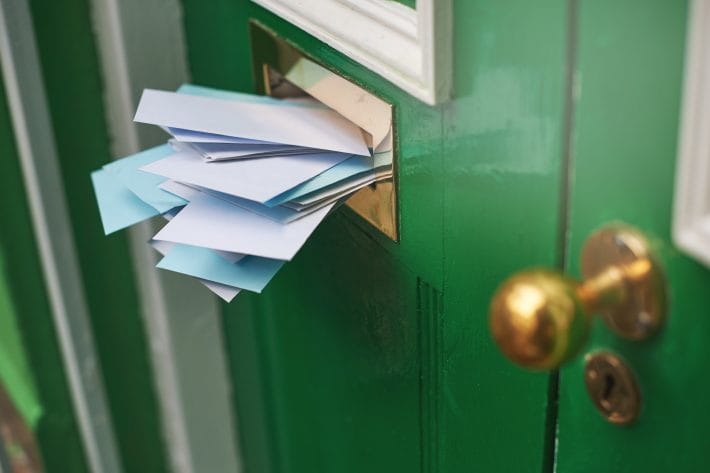
Scammers know that seniors trust official‑looking mail, which is why a growing number of people are receiving fake “new” plastic Medicare cards in their mailboxes. These cards look convincing—laminated, glossy, and sometimes even stamped with fake holograms—but they are not real. Medicare does not issue plastic cards, and it has no program that requires you to “activate” a new card by giving your Social Security number. Falling for this Medicare card scam can expose you to identity theft, fraudulent medical billing, and long‑term financial damage. Here’s what you need to know to protect yourself.
Scammers Use Fake Plastic Cards to Steal Your Identity
Scammers send out plastic cards because they look more “official” than paper ones, making the Medicare card scam easier to believe. The letter or insert usually claims you must “verify your identity” to activate the new card. Once you call the number, the scammer asks for your Social Security number, Medicare number, or banking information.
These details can be used to open credit accounts, file false tax returns, or bill Medicare for services you never received. The entire goal is to trick you into handing over personal information you would never normally share.
Medicare Does Not Issue Plastic Cards—Only Paper Ones
Medicare has repeatedly stated that it does not send out plastic cards, chip cards, or upgraded cards of any kind. The only legitimate Medicare card is a paper red‑white‑and‑blue card, and it has not changed since the 2018 update that removed Social Security numbers.
Any card claiming to be a “new version,” “enhanced card,” or “smart card” is part of a Medicare card scam. Scammers rely on the fact that many seniors assume Medicare updates its cards regularly, just like banks or insurance companies.
The Scam Often Includes Threats or Urgent Warnings
Many letters claim your benefits will be suspended unless you activate your new plastic card immediately. This pressure tactic is a classic sign of a Medicare card scam. Scammers want you to panic so you’ll call the number without thinking. They may also claim you’ll face penalties or lose coverage if you don’t respond. Medicare will never threaten you, demand immediate action, or require you to verify your identity through unsolicited mail.
Giving Your Social Security Number Can Lead to Long‑Term Damage
Once scammers have your Social Security number, they can commit identity theft that may take years to unwind. They can open credit cards, take out loans, or even reroute your Social Security benefits. Victims of the Medicare card scam often don’t realize what happened until bills or collection notices start arriving. Recovering from identity theft requires extensive paperwork, credit freezes, and sometimes legal help.
Scammers Also Target You by Phone After Sending the Card
Some scammers send the fake plastic card first, then follow up with a phone call pretending to be Medicare. They reference the card you received to make the Medicare card scam seem legitimate. The caller may sound professional, use Medicare terminology, or spoof a government phone number.
They will insist they need your Social Security number to “activate” or “confirm” your benefits. Medicare will never call you out of the blue to ask for personal information.
Real Medicare Replacements Are Free and Easy to Request
If you ever need a replacement Medicare card, you can request one directly from Medicare or Social Security at no cost. You will never be asked to pay a fee, verify your identity through mail, or activate a new card. The process is simple and secure, and you will always receive a paper card—not a plastic one. When in doubt, contact Medicare directly using the number on your existing card.
How to Protect Yourself From This Growing Scam
The best defense is knowing that Medicare does not send plastic cards under any circumstances. If you receive one, shred it immediately and do not call any number listed on the insert. Never give your Social Security number to anyone who contacts you unexpectedly. If you’re unsure whether something is legitimate, call Medicare directly using the official number on your current card.
Staying Safe Starts With Knowing What Medicare Will Never Ask For
Scammers are getting more sophisticated, but the rules are simple: Medicare will never send you a plastic card, never ask for your Social Security number, and never pressure you to act quickly. When you know what to look for, you can protect your identity, your benefits, and your peace of mind.
Have you or someone you know received one of these fake plastic Medicare cards? Share your experience in the comments to help others stay safe.
What to Read Next
Warning for California Seniors: The ‘2026 Medicare Part D’ Phone Call That’s Emptying Bank Accounts
The Overlooked Link Between Social Security COLA and Medicare IRMAA Brackets
3 Million Seniors Face Medicare Advantage Disruptions as Insurers Exit Markets for 2026

Amanda Blankenship is Chief Editor at District Media, Inc., leading content strategy, quality assurance, and editorial operations across high-traffic personal finance sites like SavingAdvice.com and CleverDude.com. A Wingate University graduate with a BA in Communications (Journalism focus), she brings over a decade of experience in digital publishing, writing, and team leadership in the personal finance space.
Read More

Lately I've been thinking about getting the Target Red card. (Note that this post is…

You likely watched the news about the 2.8% Social Security COLA and calculated exactly how…

For millions of retirees, Medicare Advantage plans seem like the perfect solution–affordable premiums, bundled benefits,…

Should you rely only on social security benefits in retirement? The answer is probably no.…

If you’re on Medicare—or helping a parent or spouse manage their coverage—there’s a growing problem…

Medicare is often seen as a safety net—a promise that when we reach 65, our…
Comments