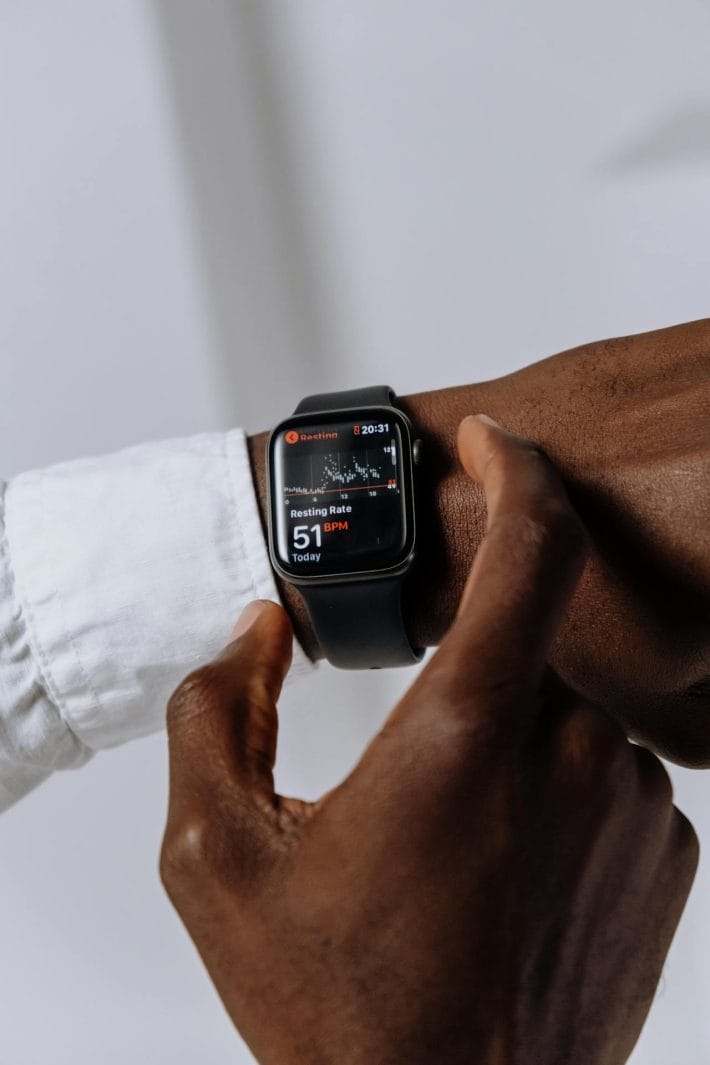
Smartwatches have become the go‑to health gadget for millions of Americans, promising to track everything from steps to sleep to heart rhythms. But cardiologists warn that these devices—while helpful—aren’t foolproof. Many people assume their watch will alert them to every irregular heartbeat, yet early smartwatch heart‑rhythm problems often slip through the cracks. Here are seven things doctors really wiush that patients would understand about how much information your smartwatch actually gives you.
1. Smartwatches Don’t Monitor Your Heart Continuously
Smartwatches check your heart rhythm in short bursts, not around the clock. Cardiologists explain that these devices rely on periodic sampling, which means early issues may occur between readings and go undetected. Many watches only run rhythm checks when you’re still, which means episodes during activity may never register. This is especially true for brief arrhythmias that come and go quickly. If your symptoms happen outside the sampling window, your watch simply won’t catch them.
2. Motion Interference Can Confuse the Sensors
When you’re moving, sweating, or exercising, your smartwatch’s optical sensors struggle to get a clean reading. Physicians say this can cause the watch to misinterpret signals or fail to record them at all because they often appear during physical activity. And, unfortunately, that is exactly when the sensors are least reliable. Even something as simple as a loose band can distort the data. Because of this, many people assume their heart is fine when the watch simply couldn’t get a clear signal.
3. Not All Arrhythmias Look the Same to a Watch
Smartwatches are primarily designed to detect atrial fibrillation (AFib), not the full range of arrhythmias. Cardiologists emphasize that issues like premature beats, tachycardia, bradycardia, and more complex rhythm disorders may not trigger alerts. These tend to fall into “non‑AFib” categories, which the device isn’t built to identify. Even when the watch notices something unusual, it may label it as “inconclusive.” This can give users a false sense of reassurance when something more serious is developing.
4. Skin Tone, Tattoos, and Hair Can Affect Accuracy
Optical heart sensors rely on light passing through the skin, and anything that interferes with that light can affect readings. Many doctors note that darker tattoos, thicker arm hair, and certain skin tones can reduce accuracy. This means early smartwatch heart‑rhythm problems may be missed simply because the sensors can’t penetrate the skin effectively. Even environmental factors like cold weather can constrict blood vessels and distort readings. These limitations aren’t widely advertised, leaving many users unaware of the gaps.
5. Smartwatches Can’t Replace Medical‑Grade ECGs
While many watches offer single‑lead ECG features, cardiologists stress that medical‑grade ECGs use 12 leads for a reason. A single‑lead reading can detect some abnormalities but misses many others, often requiring multiple angles of electrical activity to diagnose accurately. A watch can flag something suspicious, but it cannot provide the full picture. Relying solely on wearable data can delay proper diagnosis and treatment.
6. Short Episodes Are Easy for Watches to Miss
Some arrhythmias last only a few seconds—just long enough to cause symptoms but too short for a smartwatch to capture. Experts say these fleeting episodes are often the earliest signs of developing heart issues. Because watches need a sustained irregular pattern to trigger an alert, some problems may never register. People may feel palpitations or dizziness but see “No Irregular Rhythm Detected” on their device. This mismatch can lead to confusion and delayed medical care.
7. Alerts Can Be Misleading or Overly Reassuring
Smartwatch notifications are designed to be simple, but that simplicity can be misleading. Cardiologists warn that a lack of alerts doesn’t guarantee a healthy heart. An issue may be present even when the device reports normal readings. On the flip side, false positives can cause unnecessary anxiety and ER visits. Understanding the limitations of these alerts helps users interpret them more realistically.
What Cardiologists Recommend for Better Heart Monitoring
Cardiologists encourage people to view smartwatches as helpful tools—not diagnostic devices. They recommend paying attention to symptoms like fluttering, dizziness, chest discomfort, or unexplained fatigue, even if your watch shows normal readings.
Heart problems require professional evaluation, especially if symptoms persist. Doctors may suggest wearing a Holter monitor or event recorder for continuous tracking. These medical devices provide far more accurate and comprehensive data than any consumer smartwatch.
A Smarter Way to Use Your Smartwatch for Heart Health
Smartwatches can be incredibly useful when paired with good judgment and regular medical care. They’re great for spotting trends, tracking resting heart rate, and prompting you to seek help when something seems off. But early smartwatch heart‑rhythm problems often require more than a wrist‑based sensor to detect. Treat your watch as an early warning system—not the final word.
Have you ever had a smartwatch alert—or lack of one—that didn’t match how you felt? Share your experience in the comments.
What to Read Next
Is Your Bedroom Too Warm? New Study Reveals the Surprising Link Between Sleep Temp and Heart Risk
10 Underrated Signs Your Heart Health Is in Imminent Danger
8 Foods Seniors Should Drop ASAP to Protect Heart Health
The 11 Best-Selling Safety Gadgets on Amazon for Seniors Living Alone
The Affordable Home-Safety Devices Helping Seniors Avoid Emergency Visits

Amanda Blankenship is Chief Editor at District Media, Inc., leading content strategy, quality assurance, and editorial operations across high-traffic personal finance sites like SavingAdvice.com and CleverDude.com. A Wingate University graduate with a BA in Communications (Journalism focus), she brings over a decade of experience in digital publishing, writing, and team leadership in the personal finance space.
Read More


I like finding the hidden costs in personal finances. Hidden costs are those costs that…

We never really value our health until it fails us. And then we find out…

Budgeting in retirement is a necessity, but not all budget hacks are created equal. Some…

For millions of retirees, Medicare Advantage plans seem like the perfect solution–affordable premiums, bundled benefits,…

If you’re on Medicare—or helping a parent or spouse manage their coverage—there’s a growing problem…

Treat yourself. We see this advice all of the time. And yet, it's all too…
Comments