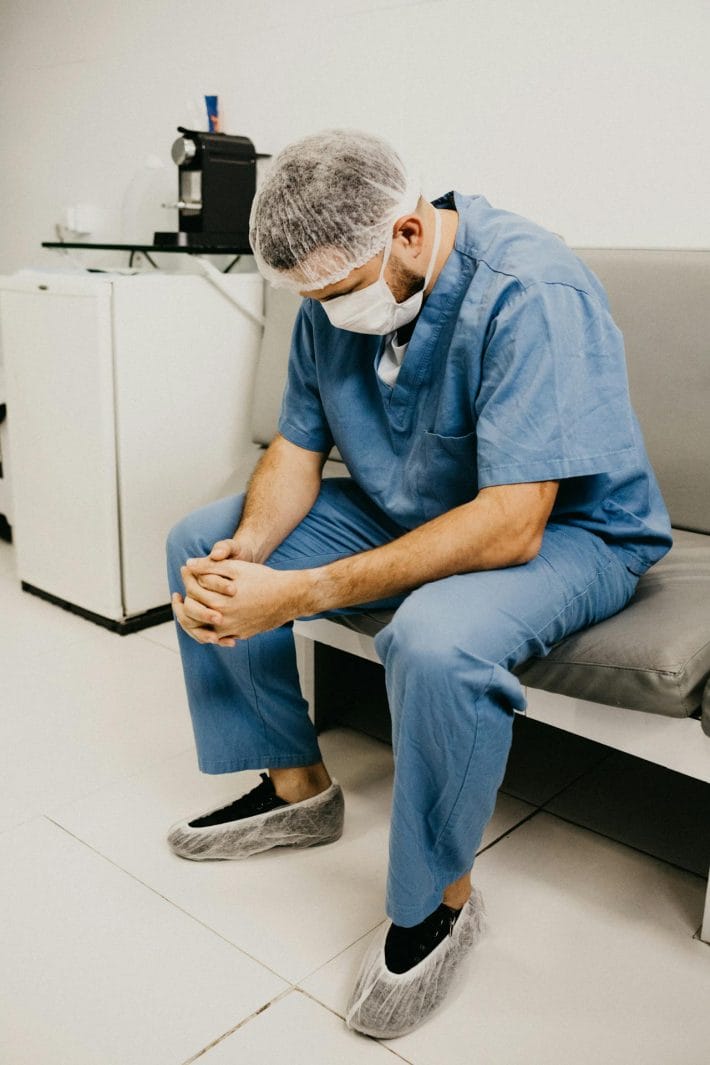
Most people go through their daily routines without thinking twice about how small habits might affect their long‑term health. But doctors are now warning that some surprisingly common behaviors can increase stroke risk, especially for older adults. Here are several things most of us do that could be increasing our risk of a major cardiovascular event.
Skipping Breakfast and Triggering Blood Pressure Spikes
Doctors say skipping breakfast is one of the most overlooked contributors. When the body goes too long without food, blood pressure can spike as stress hormones rise. These sudden changes put extra strain on blood vessels, especially in older adults who may already have hypertension. Eating a small, balanced breakfast can help stabilize blood pressure and reduce unnecessary ER visits.
Drinking Too Much Coffee on an Empty Stomach
Many people start their day with coffee before eating anything, but doctors warn that this habit can raise stroke risk. Caffeine on an empty stomach can cause sharp increases in heart rate and blood pressure. These rapid changes can be especially risky for people with underlying cardiovascular issues. While coffee itself isn’t the problem, the timing and quantity matter more than most people realize. Pairing coffee with food can help reduce these sudden spikes and protect long‑term health.
Sitting for Long Periods Without Movement
Long periods of sitting, whether at a desk, in a car, or on the couch, can make it more likely that you’ll have a stroke. When the body stays still for too long, blood flow slows, and circulation becomes less efficient. Doctors warn that this can contribute to clot formation, which is one of the leading causes of stroke. Many people don’t realize how quickly these issues can develop, especially during long workdays. Standing up and moving every hour can significantly reduce your overall risk and improve circulation.
Ignoring Chronic Dehydration Throughout the Day
Dehydration is more common than people think, and it plays a bigger role in stroke risk than most realize. When the body lacks enough fluids, blood becomes thicker and harder to circulate. This increases the likelihood of clotting. Doctors say many older adults don’t feel thirsty even when they’re dehydrated, making the problem easy to miss. Drinking water consistently throughout the day is one of the simplest ways to protect brain and heart health.
Overusing Salt in Daily Meals Without Realizing It
Salt is hidden in more foods than most people expect, and overconsumption can significantly increase your risk of having a stroke. High sodium intake raises blood pressure, which is one of the strongest predictors of stroke. Doctors warn that even people who don’t add salt at the table may still be consuming too much through packaged or restaurant foods. Reading labels and choosing lower‑sodium options can help keep blood pressure under control.
Sleeping Too Little or Too Much on a Regular Basis
Sleep plays a major role in cardiovascular health, and both too little and too much sleep can increase stroke risk. Doctors say irregular sleep patterns disrupt hormones that regulate blood pressure and inflammation. Over time, this imbalance can strain blood vessels and increase the likelihood of stroke. Many people underestimate how much sleep affects their long‑term health because the consequences aren’t immediate. Establishing a consistent sleep routine can help reduce stroke risk and improve overall well‑being.
How Small Daily Changes Can Lower Stroke Risk
The good news is that reducing stroke risk doesn’t require dramatic lifestyle changes. Doctors emphasize that small, consistent adjustments, like eating breakfast, drinking more water, and moving regularly, can make a meaningful difference. These habits help stabilize blood pressure, improve circulation, and support overall cardiovascular health. Seniors and adults with existing conditions benefit the most from these simple routines. Paying attention to daily habits now can help prevent costly ER visits later.
Which of these daily habits surprised you the most, and have you noticed any changes in your routine that affect how you feel?
What to Read Next
The $29 Amazon Gadget That’s Helping Thousands of Seniors Avoid ER Visits
7 DIY Projects That Cause the Most ER Visits After Age 60
Is Your Bedroom Too Warm? New Study Reveals the Surprising Link Between Sleep Temp and Heart Risk
10 Underrated Signs Your Heart Health Is in Imminent Danger
8 Foods Seniors Should Drop ASAP to Protect Heart Health

Amanda Blankenship is Chief Editor at District Media, Inc., leading content strategy, quality assurance, and editorial operations across high-traffic personal finance sites like SavingAdvice.com and CleverDude.com. A Wingate University graduate with a BA in Communications (Journalism focus), she brings over a decade of experience in digital publishing, writing, and team leadership in the personal finance space.
Read More


Most people think financial collapse happens suddenly—an unexpected medical bill, a job loss, or a…

With soaring inflation soaring and turbulent markets, it’s a good time to discuss an important concept: Risk…
If you find value in these articles, please share them with your inner circle and…
Dear Dave, My husband and I want to do a live-in and flip real estate…

Written by Barbara Huson With inflation still soaring and markets still turbulent, it’s a good…


Close Vents There is absolutely no reason to cool rooms that aren't being used. The…
Comments