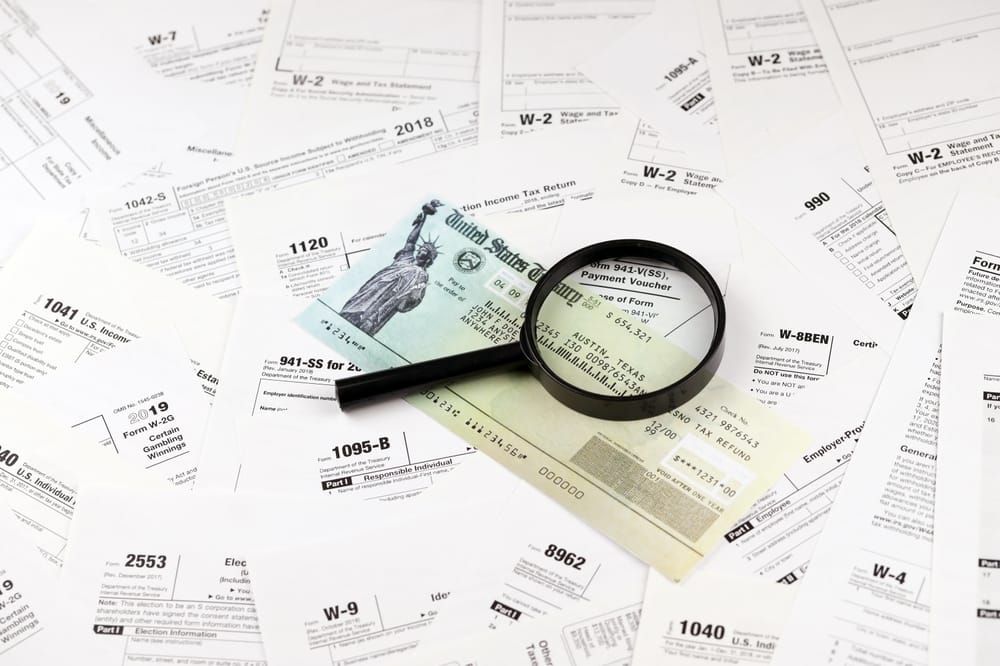
Paper tax refund checks started being phased out by the IRS on September 30, 2025. As a result, more people are expected to see stalls in receiving their refunds due to one small missing detail. You might think it’s no big deal, but in this new digital age, it can make all the difference. According to recent IRS alerts, even a single incorrect or blank entry, especially in your direct deposit information, can freeze your refund for weeks. Many taxpayers assume the IRS will simply correct small errors, but that’s not how the system works anymore. Here’s what you need to know before you get caught up waiting for your refund.
Missing or Incorrect Bank Details Trigger Automatic Holds
The most common missing detail this year is incomplete or incorrect direct deposit information. The IRS has shifted heavily toward electronic refunds, and any mismatch (wrong account number, missing digit, or outdated bank info) can cause an immediate freeze. When this happens, the refund doesn’t reroute automatically. Instead, it sits in a verification queue until the taxpayer updates their information.
IRS officials warn that this process can take several weeks, especially during peak filing season. Double‑checking your routing and account numbers before submitting your return is one of the easiest ways to avoid a long delay.
Identity Mismatches Are Another Major Cause of Delays
Another frequent problem involves identity verification issues, often triggered by small inconsistencies. Something as simple as a misspelled name, outdated address, or incorrect Social Security number can cause the IRS system to flag your return.
When this happens, the refund is paused until the taxpayer responds to a verification request. These reviews are becoming more common as the IRS expands fraud‑prevention efforts. Even if the mismatch is minor, the delay can stretch into weeks if the taxpayer doesn’t respond quickly.
Missing Income Forms Can Stall Processing
A less obvious issue is an unreported income form, like a W‑2, 1099‑NEC, or 1099‑K, that the IRS already has on file. When the agency’s system detects a mismatch between your return and employer‑reported income, it automatically pauses your refund for review.
This doesn’t always mean you made a mistake; sometimes employers file late or send corrected forms. Still, the IRS won’t release your refund until the discrepancy is resolved. Keeping track of all income documents before filing can prevent this frustrating delay.
Credit‑Related Claims Require Extra Verification
Claiming certain credits, like the Earned Income Tax Credit or Child Tax Credit, can also trigger a delay if the IRS detects a missing detail in your documentation. These credits require additional verification because they are frequent targets for fraud. If the IRS needs more information, your refund will not move forward until you respond to the notice.
Even if everything is accurate, the review process can take time, especially during busy months. Filing early and keeping documentation organized can help you respond quickly if the IRS reaches out.
Paper Filers Face Longer Delays When Details Are Missing
Taxpayers who file paper returns are more likely to run into issues simply because manual processing leaves more room for errors. Missing signatures, incomplete fields, or unreadable handwriting can all cause the IRS to set your return aside for correction.
Paper returns already take longer to process (up to four weeks just to be marked as received). Adding a missing detail on top of that can extend the wait significantly. Whenever possible, e‑filing reduces the risk of these avoidable delays.
How to Avoid Refund Delays Before You File
The best way to prevent an IRS missing detail from stalling your refund is to slow down and review your return carefully. Confirm your bank information, Social Security numbers, and income forms before submitting.
You can also check your IRS online account to ensure your personal information matches what you’re filing. If you claimed credits, keep all supporting documents in case the IRS requests verification. A few extra minutes of preparation can save you weeks of waiting.
A Final Look at Why One Missing Detail Can Cost You Weeks
The IRS is processing returns faster in some areas, but stricter verification systems mean even one IRS missing detail can bring your refund to a halt. Whether it’s a bank error, identity mismatch, or missing form, the agency won’t release your refund until everything lines up perfectly. For millions of Americans who rely on their refund to cover bills or pay down debt, these delays can create real financial stress.
Have you ever had your refund delayed because of a missing detail? Share your experience in the comments.
What to Read Next
Why the IRS May Hold Certain 2026 Refunds for Additional Verification
IRS Scam Alert: The Viral “Refund Trick” Misleading Seniors Online
IRS Refund Delays: The Filing Errors Slowing 2026 Checks
6 New Tax Forms That Could Trigger an IRS Audit for Seniors This Year
The “Household Worker” Rule: When Paying Caregivers in Cash Can Trigger IRS Problems

Drew Blankenship is a seasoned automotive professional with over 20 years of hands-on experience as a Porsche technician. While Drew mostly writes about automotives, he also channels his knowledge into writing about money, technology and relationships. Based in North Carolina, Drew still fuels his passion for motorsport by following Formula 1 and spending weekends under the hood when he can. He lives with his wife and two children, who occasionally remind him to take a break from rebuilding engines.
Read More


The IRS has finalized new regulations that could catch many retirement savers off guard. Starting…

A large number of Americans rely on their annual tax refunds to make ends meet.…

A recent policy shift at the IRS is raising eyebrows—and for good reason. Under updated…

For most taxpayers, the expectation is a 21-day turnaround for a tax refund, but the…

The IRS processes millions of tax returns per hour during peak season, relying on automated…

The IRS recently announced a new contribution limit for 401(k) plans in 2025, raising the…
Comments