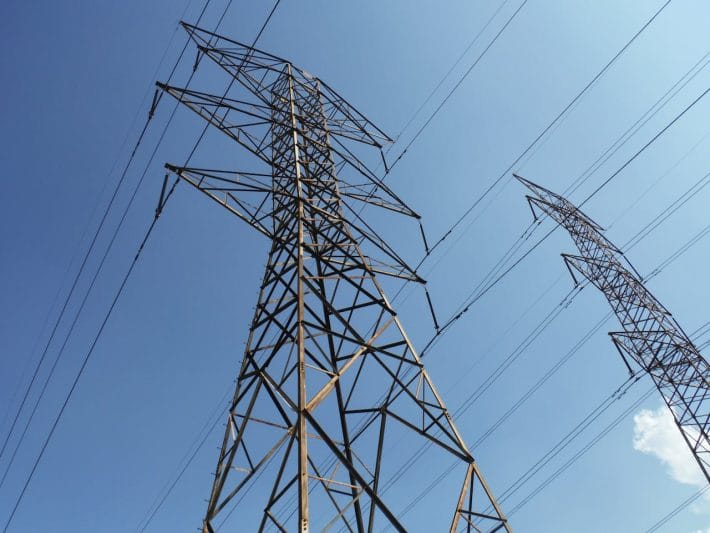
While inflation has slowed in some sectors, the cost of keeping the lights on is accelerating in specific regions of the country. In 2026, the national average for electricity has crept up, but in seven specific states, rates have exploded due to a convergence of “green” transition mandates, infrastructure aging, and raw fuel constraints. Residents in these states are paying double or triple the national average per kilowatt-hour (kWh), turning a standard monthly bill into a car payment. Understanding the drivers in these high-cost zones is essential for budgeting—or for deciding if it’s time to move. Here are the seven states seeing the sharpest utility spikes this year.
1. Hawaii (The 40-Cent Club)
Hawaii remains the undisputed champion of high energy costs, with residential rates exceeding 40 cents per kWh in 2026. The state’s reliance on imported oil for power generation means that global geopolitical instability translates directly to the monthly meter. Despite aggressive solar adoption, the cost of maintaining the island grids continues to climb. A modest home running air conditioning can easily see a bill of $600 a month. For retirees on the islands, energy is the single largest line item after housing.
2. California (PG&E’s Legacy)
California ratepayers, particularly those served by PG&E, are facing rates that rival Hawaii, averaging 32 cents per kWh. The spike is driven largely by the massive costs of wildfire mitigation—burying power lines and hardening the grid—which are passed directly to consumers. In 2026, the state’s new “fixed charge” income-based billing proposal is also causing confusion and higher bills for middle-class homeowners. The “Sunshine Tax” of living in California now includes a literal tax on the energy needed to cool your home.
3. Massachusetts (The Winter Spike)
In the Northeast, Massachusetts residents are seeing rates near 31 cents per kWh, driven by the region’s natural gas pipeline constraints. Because New England relies on imported Liquefied Natural Gas (LNG) during the winter, price spikes in the global market hit Boston hard. In 2026, National Grid and Eversource pushed through significant delivery rate hikes to pay for decarbonization efforts. The “delivery” portion of the bill often exceeds the cost of the actual electricity supply.
4. Rhode Island (Small State, Big Bill)
Neighboring Rhode Island is not far behind, with rates hovering around 30 cents per kWh. The state’s ambitious renewable energy mandates, while environmentally friendly, have come with high upfront capital costs that are appearing on 2026 bills. Additionally, the sale of the primary utility to a new owner has led to a restructuring of rates that has unfavorable impacts on low-usage customers. It is one of the most expensive places in America to heat a home with electricity.
5. Maine (The Delivery Surcharge)
Maine has seen a sharp 10% year-over-year increase, bringing rates to approximately 28 cents per kWh. The state’s rural nature makes maintaining the grid expensive (fewer customers per mile of wire), and recent storm damage has led to massive “storm recovery” surcharges on monthly bills. In 2026, residents are paying deeply for the repairs of the 2024 and 2025 storms. This volatility is pushing many to invest in wood stoves or backup generators to offload grid costs.
6. Connecticut (The Public Benefit Charge)
Connecticut has faced a consumer revolt in 2026 due to the “Public Benefit Charge,” a line item that funds state mandates and prevents shut-offs for non-paying customers. This charge surged recently, adding $30 to $50 to the average bill regardless of usage. With total rates near 27 cents per kWh, residents are effectively paying a “social tax” on their electric bill. It has become a major political flashpoint in the state.
7. Texas (The Demand Shock)
While Texas rates are lower on average (around 16-17 cents per kWh), the rate of increase is the sharpest in the nation. The explosion of data centers, crypto mining, and population growth has strained the ERCOT grid, driving wholesale prices to record highs during peak windows. In 2026, Texans on variable-rate plans are seeing massive spikes during heat waves and freezes. The “cheap energy” advantage of Texas is eroding rapidly as demand outpaces generation.
Location Matters
If you live in one of these seven states, traditional conservation tips like “turning off the lights” are not enough. You need to look at structural changes like solar (if the net metering math works) or aggressive insulation to reduce your exposure to the grid.
Do you live in one of these high-cost states? Leave a comment below—share your highest bill from this winter!
You May Also Like…
- The Winter Utility Surge: 6 Charges That Aren’t Usage (But Still Hit Your Bill)
- 8 Utility Billing Changes That Are Raising Costs for Older Households
- 8 Utility Charges That Grow More Noticeable on a Fixed Income
- 6 Utility Charges Seniors in Florida Say Appeared Without Warning
- Utility Workers Say These 7 Charges Are “Padding Your Bill”

Teri Monroe started her career in communications working for local government and nonprofits. Today, she is a freelance finance and lifestyle writer and small business owner. In her spare time, she loves golfing with her husband, taking her dog Milo on long walks, and playing pickleball with friends.
Read More


Christmas shopping is starting earlier. Meanwhile, women are finding it tougher to get back to…
I like finding the hidden costs in personal finances. Hidden costs are those costs that…

It’s easy to blame your soaring energy bill on weather, rates, or square footage, but…

When your paycheck isn’t growing anymore, small monthly increases stop feeling “small” fast. Utility bills…
Most people glance at the total on a utility bill, wince, and pay it. The…

As we move through a particularly cold January 2026, many retirees are finding that their…
Comments