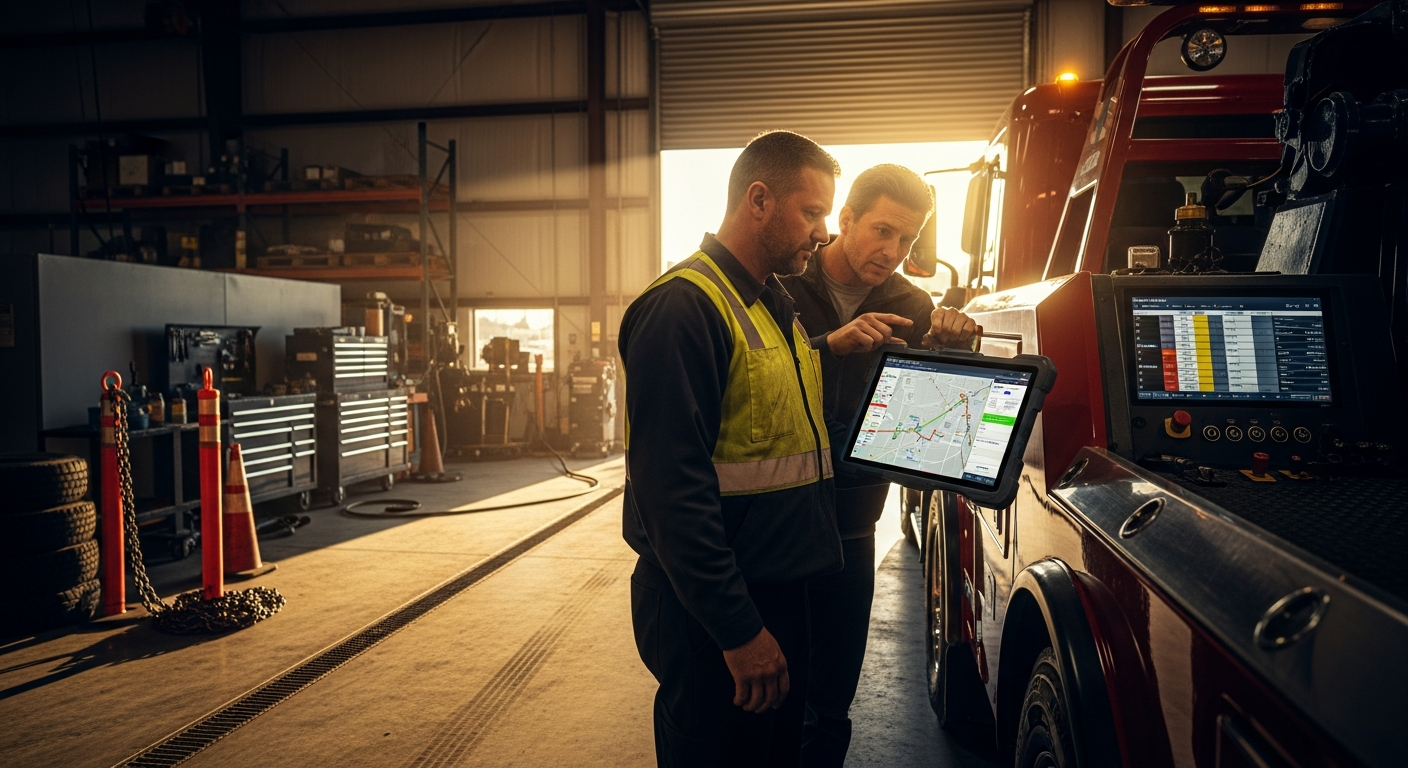
Image generated by Gemini
Car trouble is always stressful, but it’s worse when you’re 100 miles from home.
This situation leaves you with a critical question: how much does it cost to tow a car 100 miles?
The answer depends on two main paths: hiring a professional towing service or tackling the job yourself.
The final price tag is influenced by factors like mileage rates, equipment fees, and your vehicle’s condition.
1. Breaking Down Professional Towing Costs
Professional towing services start with a base charge known as a hook-up fee.
This fee covers the initial service call and varies significantly by location and company.
For instance, new rules in Kansas City cap tow fees at $132. In contrast, Arlington County, Virginia, recently raised its fee to $160 for certain tows.
For a long-distance tow, the per-mile charge is the most significant factor in your final bill.
You can expect to pay anywhere from $3 to $7 per mile.
For a 100-mile tow, the mileage cost alone could be $300 to $700, on top of the base fee.
Other variables can also increase the price:
- Time of day (after-hours or weekend calls)
- Vehicle size and weight
- Vehicle condition (e.g., stuck in mud, requiring a winch)
- Location (urban vs. rural)
2. Calculating the Cost of a DIY Tow
The do-it-yourself approach requires two key things: a capable tow vehicle (like a heavy-duty truck) and a car hauler trailer.
If you don’t own this equipment, you’ll need to rent it, which includes daily fees for both the truck and the trailer.
You must also add the cost of fuel for the round trip (200 miles), which can be significant for a large truck.
Peer-to-peer rental marketplaces offer a cost-effective way to find the right gear for the job.
A platform like NeighborsTrailer.com not only helps you rent a properly equipped trailer but also provides expert knowledge to do the job safely.
For example, their guide on installing a trailer winch mount is a valuable resource for ensuring you can load an inoperable vehicle efficiently.
3. Professional vs. DIY: A Head-to-Head Comparison
The best choice depends on your budget, time, and available resources.
Here are the key differences between the options.
| Feature | Professional Towing | DIY Hauling |
|---|---|---|
| Estimated Total Cost | $400 – $850+ | $150 – $300 (if you own a truck) |
| Convenience | High (handled by experts) | Low (requires significant effort) |
| Time Commitment | Low (make a phone call) | High (pick up, transport, return) |
| Required Skills | None | Experience driving with a trailer |
| Potential Risks | Low (insured professionals) | Moderate (potential for vehicle damage) |
Professional towing offers a simple, albeit expensive, solution.
DIY hauling provides significant savings but demands more effort and carries more responsibility.
The Bottom Line: Convenience Comes at a Cost
Towing a car 100 miles presents a clear choice between paying for convenience or investing your own time to save money.
A professional tow is fast and worry-free, but the bill will reflect that service.
A DIY haul can cut the cost by more than half, but only if you have the right vehicle and are comfortable with the process.
By weighing your budget against your comfort level and available time, you can make the right financial decision for your situation.
Read More


One old dirty trick is still with us. However, other financial matters are changing quickly.…

It's no secret that vehicles are depreciating assets. The second you buy a new car…

Housing Market Peaking? Home sales continue at record levels. However, prices show signs of easing…

You may read or hear the term “inflation fears” being used with increasing frequency. In…

With Spring in the air and the lure of the open road, you may be…

Whether new or used, you want to get yourself the best deals when buying your…
Comments