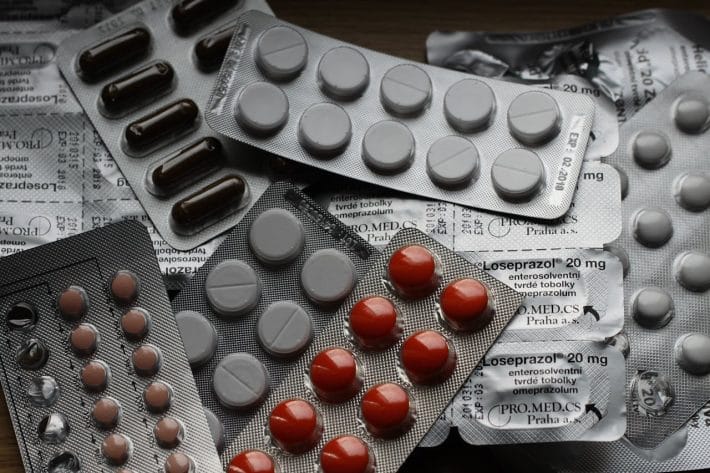
You might assume that your co-pay is determined solely by the drug you take, but in 2026, it is increasingly determined by the building you walk into. Pharmacy Benefit Managers (PBMs) have aggressively redrawn their “Preferred” and “Standard” network maps, creating a two-tier system that penalizes loyalty to the wrong store. A medication that costs $5 at a “Preferred” chain might cost $20 or $40 at a “Standard” pharmacy just down the street. These network changes often happen quietly at the start of the year, buried in the fine print of your “Evidence of Coverage.” If you haven’t checked your plan’s app recently, you may be paying a “loyalty tax” for shopping at a pharmacy that has fallen out of favor.
1. The “Preferred” vs. “Standard” Gap
The most impactful change is the widening cost gap between Preferred and Standard pharmacies. In previous years, the difference might have been a few dollars, but in 2026, plans are using steep price differentials to steer traffic. A 90-day supply of a generic drug might be $0 at a Preferred pharmacy but $45 at a Standard one. The drug is identical; the only difference is the contract between the insurer and the retailer. You must verify the status of your pharmacy every January, as chains frequently swap status.
2. The Independent Pharmacy Exclusion
Small, independent pharmacies are increasingly being cut out of major Part D networks entirely. In 2026, new “Direct and Indirect Remuneration” (DIR) fee rules have forced many mom-and-pop shops to reject low-reimbursement insurance plans. This means your local pharmacist, who knows your history, may suddenly be “Out of Network,” forcing you to pay the full cash price. Seniors are often faced with the heartbreaking choice of leaving a trusted provider or paying significantly more. It is a consolidation trend that reduces access in rural areas specifically.
3. The “Mail Order” Mandate
Some plans have introduced “soft mandates” that require you to use their mail-order service for maintenance medications after the second refill. If you continue to fill a chronic med (like statins) at a retail store, the plan may reject the claim or charge a “retail penalty” copay. In 2026, these rules are strictly enforced to drive volume to the PBM’s own distribution centers. You may get a letter stating, “Action Required: Move to Home Delivery,” which looks like marketing but is actually a coverage warning. Ignoring it can lead to a rejected refill at the counter.
4. The “Grocery Chain” Split
In a surprising shift, several major grocery store pharmacy chains have split from certain PBM networks in 2026 over reimbursement disputes. A plan that used to include Kroger, Publix, or Safeway as “Preferred” might now list them as “Standard” or excluded. Seniors who combine grocery shopping with prescription pickup are finding their “one-stop shop” convenience now comes with a higher price tag. This fragmentation means you might need to buy food at one store and drugs at another to maximize savings.
5. The “90-Day at Retail” Restriction
While 90-day supplies save money, some plans now restrict where you can get them. In 2026, a plan might allow a 90-day fill only at CVS or Walgreens, while limiting all other pharmacies to 30-day supplies. If you try to get a 90-day supply at a non-partnered store, the claim is denied, forcing you to pay three separate 30-day copays. This restriction removes your ability to bulk-buy unless you comply with the network’s specific partner preferences. It essentially forces you to use the “big box” chains.
6. The “Specialty Drug” Lock-In
For seniors on expensive specialty medications (like injectables for rheumatoid arthritis), networks are becoming extremely narrow. Plans often require these drugs to be filled exclusively by a “Specialty Pharmacy” designated by the insurer, not your local retail counter. In 2026, attempting to fill these at a standard pharmacy will result in a hard rejection. This “lock-in” removes your choice entirely, forcing you to deal with a remote call center to manage complex, life-saving therapies.
7. The “Digital” Pharmacy Enticement
To disrupt the market, some plans have partnered with digital-only pharmacies (like Amazon Pharmacy or Mark Cuban Cost Plus) as their exclusive “Preferred” low-cost option. While the prices are low, this requires seniors to navigate an app-based ordering system that lacks face-to-face interaction. For those uncomfortable with technology, this “benefit” is effectively inaccessible, leaving them stuck paying higher rates at brick-and-mortar stores. It is a discount that requires digital literacy to unlock.
Use The “Pharmacy Locator” Tool
Don’t guess. Log into your Part D plan’s website and use the “Pharmacy Locator” tool. Filter by “Preferred Cost-Sharing” to see the green pins on the map.
Did your pharmacy copay jump this month? Leave a comment below—tell us if you switched stores!
You May Also Like…
- 7 Reasons Pharmacy Costs Are Higher for Seniors in Texas in 2026
- 8 Pharmacy Practices That Raise Out-of-Pocket Spending Without Warning
- Pharmacy Consolidation: A Deal That Means Over-65 Patients Pay More for Generics Once the Buyout Clears
- The $615 “Pharmacy Ransom”: Why Your 2026 Drug Cap Doesn’t Kick In Until You Pay This Hidden Fee
- Pharmacy Discount Programs Are Shrinking at National Chains

Teri Monroe started her career in communications working for local government and nonprofits. Today, she is a freelance finance and lifestyle writer and small business owner. In her spare time, she loves golfing with her husband, taking her dog Milo on long walks, and playing pickleball with friends.
Read More


For decades, the "In-Network" question was mostly about your doctor. As long as you had…

Budgeting in retirement is a necessity, but not all budget hacks are created equal. Some…

For seniors in Texas, the trip to the pharmacy in 2026 has become longer, harder,…

When you need a prescription filled, your local Giant Pharmacy may seem like a perfect…

Many people believe that housing consists of buying a house or renting an apartment. But…

You hand your card to the pharmacist, expecting to pay your usual $10 copay. Instead,…
Comments