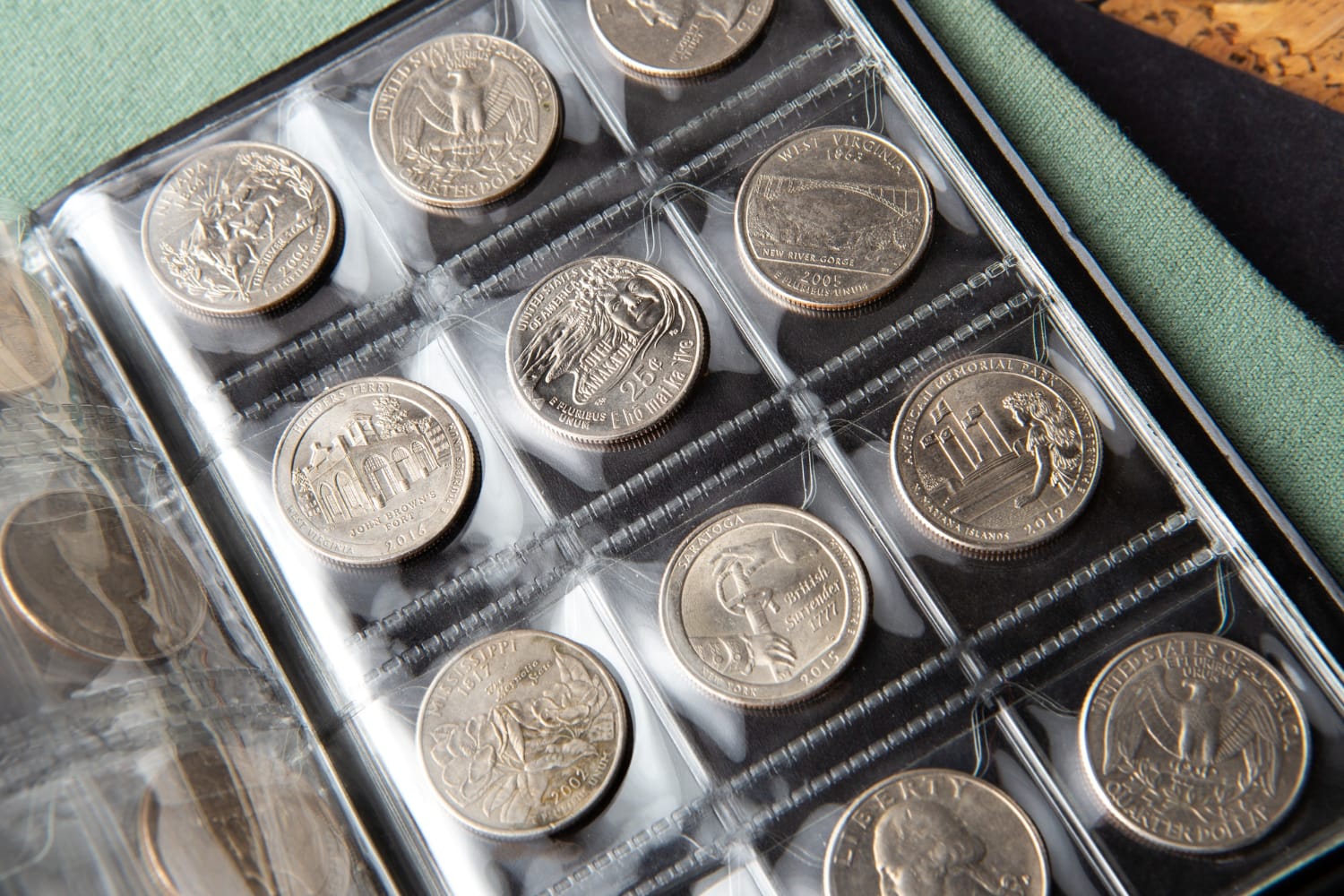
The fascination with collecting historical artifacts often stems from a deep appreciation for the rarity and the unique story behind each individual piece. In the world of currency, this drive is magnified by the fact that money is a universal symbol of state power and economic history. Collectors are drawn to items that represent a specific moment in time that can never be repeated.
Scarcity is the primary engine that drives the value and the desirability of any object within a competitive marketplace. When a particular item is difficult to find, it naturally commands more attention from those who want to complete a specific set or own a piece of history. This psychological pull is a foundational element of the hobby for enthusiasts across every single generation.
The market is constantly evolving as new discoveries are made and older hoards are released to the public for the first time in many decades. Success in this field requires a dedicated and professional approach to identifying and acquiring high quality rare coins. Understanding the various factors that contribute to the limited supply of a specific issue is essential for anyone looking to build a significant collection.
Limited Mintages and Natural Survival Rates
The journey of a scarce coin often begins at the mint where the total number of pieces produced is dictated by the economic needs of the era. Some years see massive production runs of millions of units, while other years are defined by very small numbers due to metal shortages or political shifts. These low mintage figures provide the initial baseline for the rarity of the series.
Survival rates are the second half of the scarcity equation, as many coins were eventually melted down or lost to the wear and tear of daily commerce. During times of rising metal prices, governments and private citizens often destroyed old currency to reclaim the gold or silver content within the pieces. This intentional destruction significantly reduces the number of surviving specimens available for modern collectors to find.
Natural attrition also plays a major role over several centuries as items are misplaced, damaged by fire, or buried in forgotten locations. Only a tiny fraction of the original mintage usually survives in a condition that is attractive to a serious and motivated buyer today. This thinning of the population is what creates the competitive environment found in the high end numismatic market.
Grading Systems and Extreme Condition Sensitivity
In the modern market, the technical grade of a coin is just as important as the original mintage numbers when determining its final value. A common date piece in a near perfect condition can often be much more difficult to find than a rare date in a heavily worn state. This focus on quality has led to the development of very strict and professional standards.
The seventy point grading scale allows for a precise evaluation of the surface marks, the strike quality, and the original luster of the metal. Even a microscopic scratch can prevent a coin from achieving a top tier grade and significantly reduce its appeal to elite collectors. This extreme sensitivity to condition is what makes the hunt for perfect specimens so challenging and rewarding.
Third party certification provides the necessary layer of trust and transparency that allows for high value transactions to occur with absolute confidence. These services encapsulate the coin in a secure holder and provide a definitive grade that is recognized by dealers around the entire globe. Having a professional and unbiased opinion is the foundation of a healthy and stable numismatic marketplace.
Historical Demand Cycles and Collector Interest
The demand for specific types of currency often follows a cyclical pattern that is influenced by popular culture and the discovery of new historical data. A series that was overlooked for many decades can suddenly become the focus of intense competition after a new book or research paper is published. These shifts in interest can cause a rapid increase in the market price.
Generational changes also play a role in which specific eras of history are considered the most desirable for a collection at any given time. Younger enthusiasts might be drawn to more modern and innovative designs, while older collectors often stick to the classic gold and silver series of the past. This diversity of interest ensures that the market remains vibrant and active across many categories.
Historical significance adds an emotional dimension to the value of a coin that goes far beyond the simple scarcity of the metal. A piece that was minted during a famous revolution or a major economic transition carries a weight that resonates with anyone who appreciates the human story. Demand is built on a shared connection to the moments that shaped the world as we know it today.
Auction Results and Professional Market Signals
Public auctions provide the most transparent and reliable data for understanding the current value of rare items in a competitive environment. Seeing what a motivated buyer is willing to pay in a live setting provides a clear signal for the rest of the market to follow. These events often set new records and redefine the expectations for an entire series of coins.
Professional price guides use this auction data to provide a consolidated view of the market trends over the last several months and years. These resources allow collectors to track the growth of their investments and identify which areas of the hobby are seeing the most consistent activity. Having access to accurate information is essential for making smart and confident choices for the future.
Market signals can also be found in the participation levels of major dealers and institutional investors at the largest international shows and conventions. When the big players are aggressively buying a specific type of material, it usually indicates a strong and healthy future for that category. Observation and research are the keys to staying ahead of the curve in a fast moving trade.
Conclusion
Summarizing the role of scarcity shows that it is a complex intersection of history, condition, and market demand that defines the hobby. The search for items that are difficult to find provides a sense of adventure and satisfaction that is hard to replicate in other fields. Rarity is the thread that binds the entire numismatic community together across borders.
Maintaining high standards in selection and grading ensures that a collection remains a valuable and respected asset for many years to come. By focusing on pieces with low survival rates and exceptional quality, an enthusiast can build a legacy that will be appreciated by future generations. Success comes from a balance of technical knowledge and a passion for the past.
The future of the market will likely continue to be driven by the timeless appeal of owning a physical piece of global history. As the world becomes more digital, the tangible nature of a rare coin becomes even more special and sought after by those who value authenticity. High standards in research and professional trade ensure that rarity continues to drive intense interest.
Read More


You probably already know that the stock market closes on Thanksgiving Day. However, Thanksgiving is…

Student Loan Forgiveness Scams When President Biden announced his plan to cancel up to $20,000…

Millennials Making Monster Market American adults between 30 and 50 years of age will push…

If you’ve ever felt guilty for spending money, even when you can afford it, you…

Black Friday is the day after Thanksgiving and traditionally marks the start of the Christmas…

Understanding the holiday trading schedule is essential for investors, financial planners, and professionals who rely…
Comments