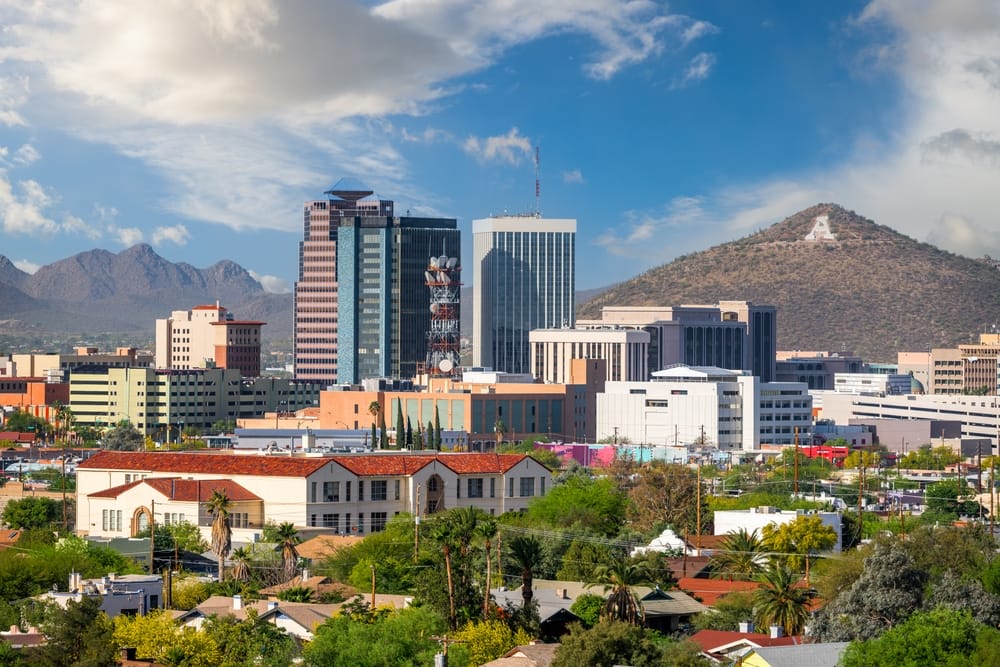
For years, Arizona was the promised land for retirees: low taxes, endless sunshine, and affordable housing. In 2026, the sunshine remains, but the affordability is evaporating as fast as a rain puddle in July. The “Sunshine Tax” has become a literal financial burden, driven by a convergence of water scarcity, grid strain, and insurance volatility.
While the state remains tax-friendly on paper, the maintenance costs of living in the desert have spiked. Retirees in Maricopa and Pima counties are discovering that their fixed expenses are rising much faster than the national average. If you are noticing that your monthly nut is harder to crack this year, it isn’t just inflation—it is specific regional cost drivers. Here are seven housing expenses that Arizona retirees are struggling to manage in 2026.
1. The APS & SRP Rate Hike (Grid Stress)
Air conditioning in Arizona isn’t a luxury; it is life support. In 2026, the cost of that support has jumped. Arizona Public Service (APS) and Salt River Project (SRP) have both implemented or proposed significant rate adjustments to pay for grid modernization and the massive power demand from new data centers.
Retirees are hit hardest because they tend to be home during the “Super Peak” hours (typically 4 PM to 7 PM). With new Time-of-Use plans becoming the default, seniors who cannot turn off their AC during late afternoon heatwaves are seeing bills that are 14% to 20% higher than just two years ago. The “cheap” electricity that fueled the desert boom is gone.
2. Water “Scarcity Surcharges”
As the Colorado River cuts take deeper effect in 2026, municipalities like Gilbert, Scottsdale, and Peoria have restructured their water rates. The base rate might look low, but the “Tiered Pricing” for usage has become punitive.
If you have a pool, a lawn, or even a lush xeriscape garden, you likely cross into “Tier 3” or “Tier 4” usage, where the price per gallon doubles or triples. These scarcity surcharges are designed to force conservation, but for seniors with established homes and gardens, they act as a massive monthly fine. The cost of filling a swimming pool has effectively become a luxury tax.
3. The HOA “Reserve” Shock
Many Arizona retirees live in 55+ master-planned communities. In 2026, these Homeowners Associations (HOAs) are facing their own insurance and labor crises. To comply with new fiscal responsibility standards, boards are levying massive Special Assessments to fully fund reserves for aging infrastructure like stucco repair and clubhouse roofs.
In communities built in the 1990s, these assessments can range from $2,000 to $5,000 per door. Furthermore, monthly dues are rising to cover the higher wages required to hire security guards and landscapers in a tight labor market. The “low maintenance” lifestyle now comes with a high monthly premium.
4. The A2L Refrigerant “AC Tax”
If your air conditioner fails in the Arizona summer, it is an emergency. In 2026, it is also a financial catastrophe due to the new federal mandate requiring A2L refrigerants (like R-454B).
You cannot simply put the new, eco-friendly refrigerant into an old unit. If your pre-2025 compressor dies, you must replace the entire system—condenser and air handler—to be compatible with the new standards. This has pushed the average cost of a new HVAC system in Phoenix to over $12,000. For retirees with older units, this is a looming capital expense that costs 20-30% more than it did just a few years ago.
5. Wildfire Insurance in the “Interface”
You don’t have to live in a forest to face wildfire risk. Insurers are increasingly classifying suburban areas on the edge of the desert—known as the Wildland-Urban Interface (WUI)—as high risk.
In 2026, carriers are issuing non-renewal notices or doubling premiums for homes in areas like North Scottsdale, Fountain Hills, and Tucson foothills. Even if a fire never touches your home, the risk models say it might, and you pay for that algorithmic probability. Premiums have risen roughly 20% in these zones, shattering fixed housing budgets.
6. Property Tax “Valuation” Spikes
Arizona has statutory caps on how much your property tax rate can rise, but it has looser caps on the valuation of your home. Because home prices in the state skyrocketed post-2020, the assessed value of many retiree homes has finally caught up to market reality.
Your tax rate might be stable, but if your home is now assessed at $600,000 instead of $350,000, your tax bill rises significantly. This “valuation creep” is catching many seniors off guard, as they assumed their taxes were frozen.
7. Landscaping Labor Inflation
The days of the $50/month “mow and blow” service are over. Due to extreme heat and labor shortages, landscaping companies have aggressively raised prices in 2026.
Maintaining a desert landscape—trimming palm trees, removing weeds, and fixing irrigation leaks—is labor-intensive. Service providers are adding “fuel surcharges” and “heat hazard pay” for summer work. For seniors physically unable to do the yard work themselves, this service is non-negotiable, and the price has nearly doubled in three years.
Re-Assess Your “Fixed” Costs
If you moved to Arizona for the low cost of living, you need to re-run your numbers for 2026. The desert is still beautiful, but it is no longer cheap.
Did your HOA hit you with a special assessment this year? Leave a comment below—tell us which community you live in!
You May Also Like…

Teri Monroe started her career in communications working for local government and nonprofits. Today, she is a freelance finance and lifestyle writer and small business owner. In her spare time, she loves golfing with her husband, taking her dog Milo on long walks, and playing pickleball with friends.
Read More


Infrastructure investment opportunities abound as economic development legislation advances. At the same time, COVID…

Nearly eight years ago, my family and I moved from the suburbs of Chicago to…

Christmas shopping is starting earlier. Meanwhile, women are finding it tougher to get back to…

Grocery Costs Keep Rising If you want to save on your food bill for the…
I like finding the hidden costs in personal finances. Hidden costs are those costs that…

Housing Market Peaking? Home sales continue at record levels. However, prices show signs of easing…
Comments