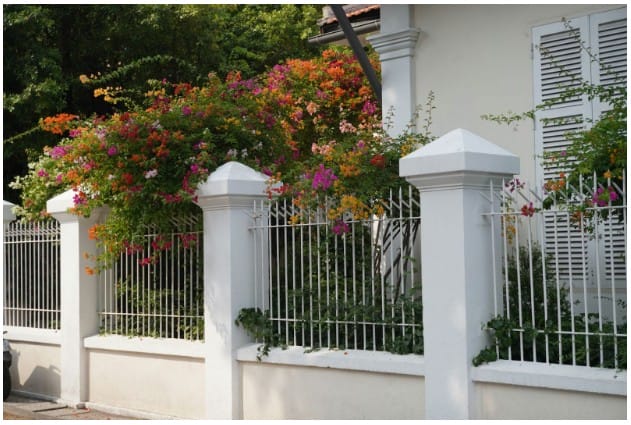
When property owners compare security fencing vs privacy fencing, they are usually trying to solve very different problems. Some want to protect their property and control access. Others want to create a secluded, comfortable outdoor space that feels private and visually contained. While these fence types can overlap in function, they are designed with different priorities in mind.
This guide breaks down the real differences between security fencing and privacy fencing in 2026, explains where each option performs best, and helps homeowners and developers choose the right solution based on lifestyle, safety, aesthetics, and long-term plans.
What Is Security Fencing?
Security fencing is designed primarily to deter unauthorized access and define clear property boundaries. Its goal is not to block visibility, but to make intrusion difficult, noticeable, or inconvenient. Security fences are commonly used where protection and control are higher priorities than visual appeal or seclusion.
Common Types of Security Fencing
- Chain link fencing with reinforced posts or security mesh
- Steel or aluminum fencing with vertical pickets
- Anti-climb or reinforced perimeter fencing
- Fencing integrated with gates, locks, or access control systems
These systems focus on strength, durability, and visibility rather than concealment.
Pros and Cons of Security Fencing
Pros
- Strong physical barrier
- Long lifespan with minimal maintenance
- Maintains sightlines for monitoring activity
Cons
- Limited privacy
- More industrial appearance
- Less effective at noise reduction or visual screening
What Is Privacy Fencing?
Privacy fencing is designed to block sightlines, reduce noise, and create a secluded outdoor environment. It is most commonly used in residential backyards, side yards, and spaces where homeowners want separation from neighbors or nearby streets.
Common Types of Privacy Fencing
- Wood panel fencing
- Vinyl or composite fencing
- Board-on-board or shadowbox designs
- Solid vertical or horizontal panel systems
Privacy fences prioritize coverage and aesthetics over raw strength.
Pros and Cons of Privacy Fencing
Pros
- Visual and spatial privacy
- Improved backyard usability
- Strong aesthetic appeal for residential settings
Cons
- Less resistance to forced entry
- Higher maintenance depending on material
- Can limit visibility around property edges
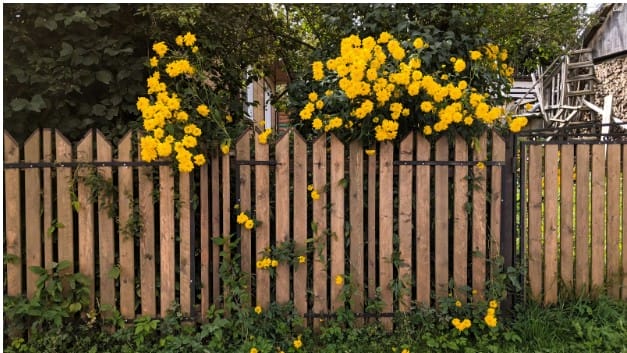
Which Option Is Right for Residential Properties?
For most homeowners, privacy fencing is the preferred option. It supports everyday living by creating a safe, quiet, and visually contained outdoor space. Families with children, pet owners, and homeowners who value backyard usability tend to prioritize privacy over perimeter security.
Homeowners navigating these decisions often consult experienced residential fence contractors like Fantastic Fence to evaluate privacy fencing options that fit neighborhood expectations while still providing structure, durability, and long-term value.
Which Option Is Better for Security-Focused Properties?
Security fencing is better suited for properties where access control and visibility are essential. This includes homes near busy roads, properties with detached structures, or locations where boundary enforcement matters more than visual screening.
In these cases, fencing is often paired with lighting, cameras, or controlled entry points to enhance overall security.
Can Privacy Fencing Improve Security?
Privacy fencing can improve security indirectly. By blocking views into a yard, it reduces visual targets and creates a psychological deterrent. However, it is not engineered to resist forced entry in the same way a security fence is.
For many residential settings, privacy fencing provides “enough” security when combined with proper locks, lighting, and neighborhood awareness.
Combining Security and Privacy Fencing
Some properties benefit from hybrid approaches. Examples include:
- Privacy fencing in backyard living areas
- Decorative metal or security fencing along front boundaries
- Layered fencing strategies for larger lots
Combining materials and styles allows property owners to balance aesthetics with functional protection.
Cost Comparison: Security Fencing vs Privacy Fencing
Costs vary widely, but general trends include:
- Security fencing materials often cost less upfront but may require specialized installation
- Privacy fencing can cost more depending on material and height
- Vinyl and composite privacy fencing carries higher initial costs but lower maintenance
Long-term value depends on usage, environment, and maintenance expectations rather than initial price alone.
When Fencing Is Part of a Larger Property Upgrade
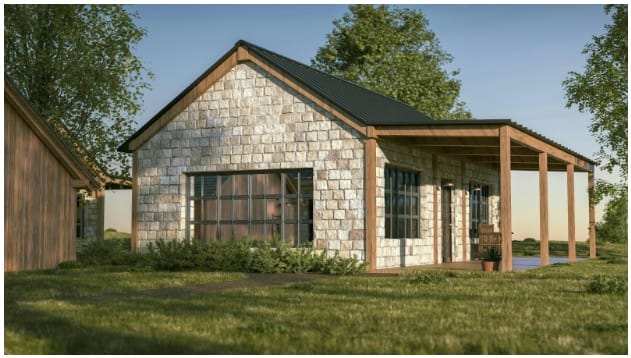
Fencing decisions often overlap with broader property development plans, especially when lots are being reconfigured, access points adjusted, or new structures added. For example, fencing layouts may need to account for future accessory dwelling units, shared access paths, or zoning requirements.
In these scenarios, fencing choices are sometimes planned alongside projects supported by firms like Golden State ADUs, where ADU design, site planning, setbacks, and access requirements can directly influence property layout and how fencing is positioned or modified to support compliant, long-term use of the lot.
How to Choose the Right Fence for Your Needs
Before choosing between security fencing and privacy fencing, homeowners should consider:
- Primary goal: privacy, security, or both
- Neighborhood norms and HOA rules
- Long-term maintenance expectations
- Future property plans or expansions
- Budget and installation quality
Professional guidance helps ensure the fence supports both current needs and future flexibility.
Final Thoughts
When comparing security fencing vs privacy fencing, there is no universally “better” option. The right choice depends on how a property is used, what problems need solving, and how fencing fits into the broader environment.
Privacy fencing excels at creating comfortable, livable outdoor spaces. Security fencing shines where protection and access control are priorities. With thoughtful planning and proper installation, either option can deliver lasting value and functionality for years to come.
Read More


You finally buy the shoes you’ve been eyeing for months or treat yourself to a…

Copper futures hit highs not seen in a decade last month and are up 90…

Should you rely only on social security benefits in retirement? The answer is probably no.…

Funerals are expensive. In fact, some would argue, they are more expensive than they need…

I try never to miss Rex Woodbury’s Digital Native letters. This one about loneliness and the…

Making the most of Social Security is a common goal, as it can mean a…
Comments