If you’ve noticed that your grocery bill is climbing despite slowing inflation, the culprit might be the container, not the contents. In 2026, a “perfect storm” of new environmental regulations and supply chain shifts has fundamentally changed how products are wrapped, boxed, and bottled. From the rollout of Extended Producer Responsibility (EPR) laws in states like New Jersey and Minnesota to the global push for “mono-material” recyclability, manufacturers are spending billions to redesign their packaging—and they are passing those costs directly to you. These 10 everyday items are leading the charge in packaging changes, proving that “going green” often comes with a higher price tag at the register.
1. Laundry Detergent (The “Concentration” Tax)
Laundry detergent is undergoing a massive transformation in 2026 as brands move away from large, heavy plastic jugs toward ultra-concentrated formulas in smaller bottles. While this “lightweighting” is designed to reduce shipping emissions, the cost per load has actually increased as manufacturers recoup the R&D costs of these new chemical stabilizers. Furthermore, many states now levy a higher “eco-modulated” fee on traditional plastic handles that are difficult to recycle, pushing the price of “old school” jugs up by nearly 15%.
2. Bottled Water (The “Cap and Tether” Surcharge)
If you’ve struggled to pull the cap off your water bottle lately, you’ve encountered the new mandatory “tethered cap” regulations spreading across global markets. To prevent cap litter, 2026 standards require caps to remain firmly attached to the bottle, a design change that requires entirely new bottling lines and specialized molds. These industrial upgrades have led to noticeable price increases for multi-packs, as beverage companies pass on the multi-million dollar capital expenditures to consumers.
3. Cereal and Dry Goods (The “Rightsizing” Shift)
Cereal boxes are getting shorter and wider in 2026 in a move known as “rightsizing.” By reducing the “headspace” (the air at the top of the bag), companies can fit more units into a shipping container, but the redesign of the cardboard structure to maintain shelf stability has proven expensive. Many brands are also switching to mono-material plastic liners that are easier to recycle but cost up to 20% more to produce than the traditional multi-layer films used in 2025.
4. Household Cleaners (The Refill-Trigger Premium)
In 2026, the traditional “spray bottle” is becoming a luxury item. New EPR laws penalize “multi-material” triggers (which contain metal springs and plastic pumps) because they are almost impossible to recycle. As a result, many brands are hiking the price of the initial spray bottle while offering cheaper “pouch refills.” However, the pouch materials themselves are facing new taxes if they don’t contain at least 30% recycled content, keeping the overall cost of clean floors higher than ever.
5. Coffee Pods (The Compostable Conversion)
The coffee aisle is seeing a “green premium” as brands phase out aluminum and standard plastic pods in favor of certified compostable materials. While these new pods are better for the environment, the bio-based resins required to keep the coffee fresh without traditional plastic are significantly more volatile in price. In 2026, switching to “eco-pods” typically results in a 10% to 12% price hike per box, as manufacturers manage the higher spoilage rates associated with breathable, compostable barriers.
6. Yogurt and Dairy Cups (The Tapered Transition)
Yogurt containers are being redesigned with a sharper taper and thinner walls to meet 2026 “material reduction” targets. While using less plastic sounds like it should save money, the high-precision machinery required to manufacture thinner cups without them collapsing on the assembly line is incredibly costly. Additionally, many dairy brands are switching from printed plastic “sleeves” to direct-to-cup printing to improve recyclability, a process that has added a “transition surcharge” to most 4-packs this year.
7. Snack Chips (The Metalized Film Fee)
The “crinkly” bag used for potato chips is one of the hardest items to recycle because it bonds plastic to a thin layer of metal. In 2026, these bags are being hit with the highest “Red-Rated” fees. Until snack companies can perfect a fully recyclable paper-based or mono-plastic bag that keeps chips crispy, they are paying massive penalties to state recycling boards—penalties that are showing up as a “hidden” 50-cent increase on family-sized bags.
8. Frozen Entrées (The Plastic-to-Fiber Pivot)
Frozen food trays are rapidly shifting from black plastic (which automated sorters often can’t see) to molded fiber or “ovenable” cardboard. While this makes the trays compostable or recyclable, the fiber trays require more energy to produce and have higher shipping weights due to the need for thicker walls. This shift is a major contributor to cost increasesin the frozen aisle, with some “budget” meals seeing a 20% price jump just to cover the new tray costs.
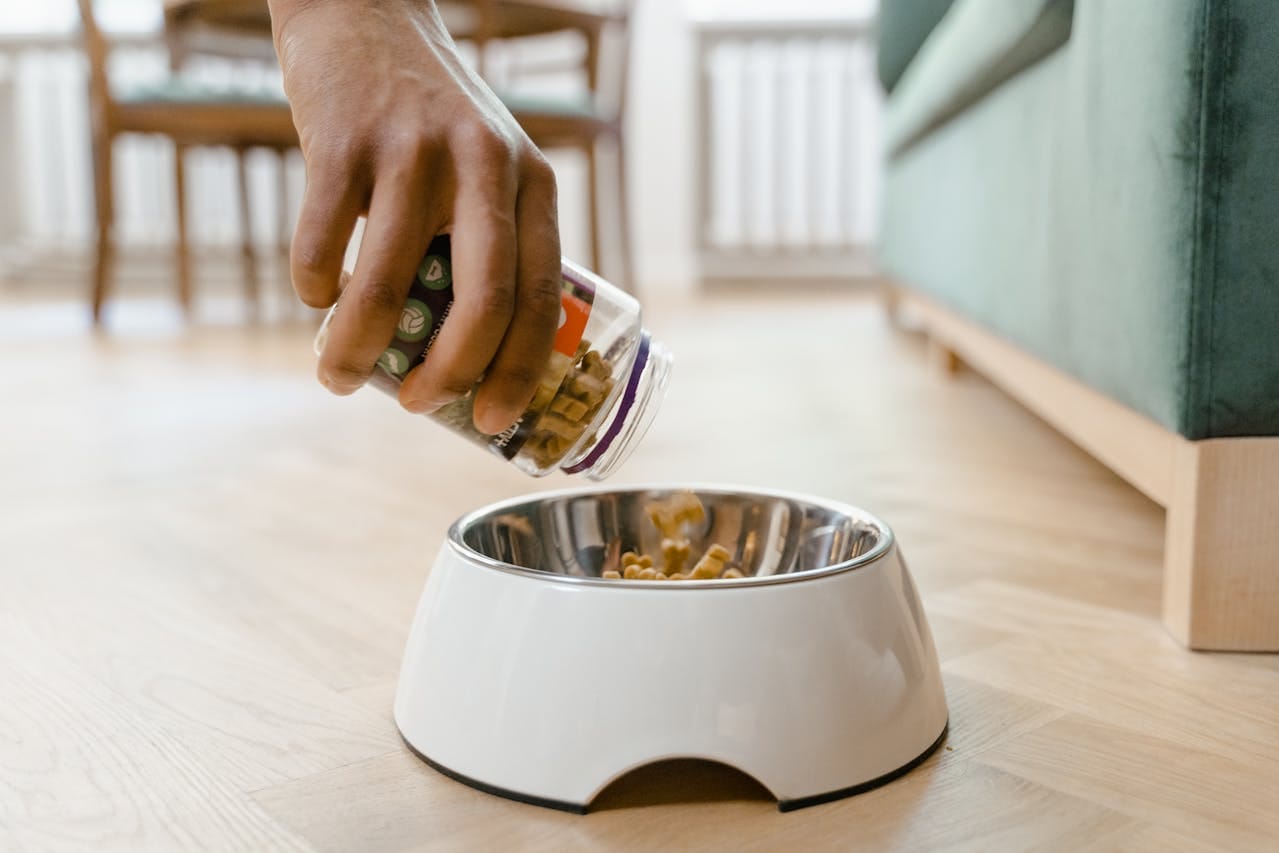
9. Pet Food (The Vacuum-Seal Surcharge)
Pet food manufacturers are moving away from traditional “paper-and-plastic” laminated bags toward high-durability, vacuum-sealed pouches that use less material but require more advanced sealing technology. The 2026 push for “freshness-lock” packaging has led to a spike in equipment costs for manufacturers. Because pet food is heavy, the increased commercial hauling rates for these dense packages in EPR-active states are further inflating the price of your dog’s favorite kibble.
10. Liquid Hand Soap (The Pump Penalty)
Similar to household cleaners, liquid hand soap is being hit by the “pump penalty.” Many retailers are now charging a premium for soap sold with a plastic pump, encouraging customers to buy refill cartons instead. However, the new 2026 labeling requirements for “eco-claims” mean that even the refill cartons must undergo rigorous third-party certification to be labeled as “sustainable,” adding a layer of bureaucratic cost that keeps soap prices from dropping back to 2024 levels.
The New Price of Sustainability
The 2026 packaging landscape is a clear example of “unintended consequences.” While the move toward a circular economy is vital for the planet, the transition phase is proving to be expensive for the average household. As companies redesign their “Price Pack Architecture” to survive new regulations, consumers must become more strategic, often choosing between the convenience of a traditional package and the “value” of a less-convenient refillable option. The “invisible” cost of the box is finally becoming visible, and it’s a trend that is likely to define grocery shopping for the rest of the decade.
Have you noticed your favorite products changing their packaging lately, and did the price go up when it happened? Leave a comment below and let us know which “eco-change” has hit your wallet the hardest.
You May Also Like…

Teri Monroe started her career in communications working for local government and nonprofits. Today, she is a freelance finance and lifestyle writer and small business owner. In her spare time, she loves golfing with her husband, taking her dog Milo on long walks, and playing pickleball with friends.
Read More


President Gerald Ford labeled inflation “public enemy number one” when it climbed to 20 percent…

You may read or hear the term “inflation fears” being used with increasing frequency. In…

Housing Market Peaking? Home sales continue at record levels. However, prices show signs of easing…

In a world where innovation constantly reshapes our daily lives, it's always fascinating to see…

Lumber Prices Up, Down, Up Again The decrease in lumber costs looked like the light…

For decades, homeowners' insurance has been a comfort blanket, protecting you against fires, theft, and…
Comments