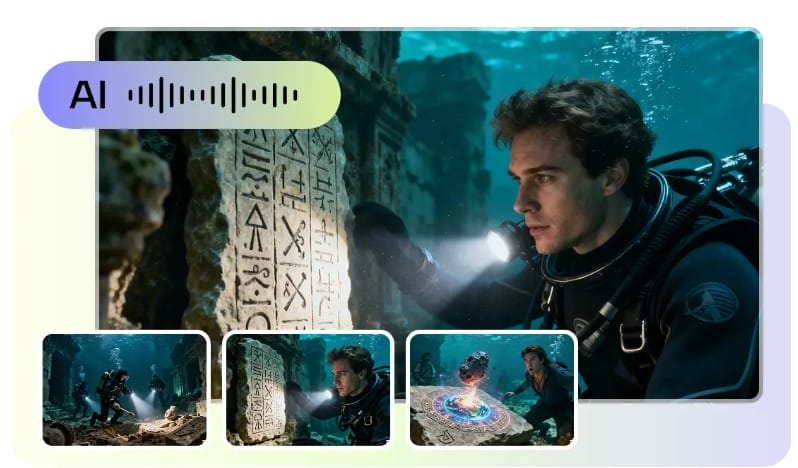
The opening to your content is through headlines. They tend to decide on the clicking, reading, or scrolling of viewers. The brain of a human being responds immediately to phrasing that creates curiosity or value. This renders headline writing as an art and science. However, it is not a simple task to produce high impact headlines. Even more experienced creators cannot find the balance between clarity, involvement, and emotional appeal. Well-written headlines demand accurate use of words, an insight into the psychology of the audience and an ability to be creative. CapCut provides such tools to facilitate this process. It enables creators to develop powerful titles that strike audiences at a glance by developing headline concepts and visualizing them.
What Makes a Headline High-Impact?
A high-impact headline achieves three essential qualities, namely, clarity, curiosity, and emotional appeal. Clear headlines express the subject matter. Inquisitive headlines are used to attract the audience to read further, which can result in clicks. Emotional pull makes headlines relatable, arousing excitement, urgency or intrigue. Headline effectiveness is also influenced by the platform or channel. Social media prefer short, succinct wordings whereas blogs or articles prefer longer, descriptive headings. The composition of the headline is also of utmost importance. The arrangement of keywords, use of numbers or verbs of action can make it dramatically more engaging. The structured flow of the headlines directs the reader in a natural flow enhancing interest and reading retention.
How CapCut’s AI Writer Supports Smarter Headline Drafting
CapCut integrates an AI writer to simplify headline creation. It has the ability to transform one idea into many headline styles and this saves a lot of time in brainstorming. As an example, one thought can produce professional, playful or dramatic variations within seconds. The tool also generates outlines in details, uncovering new possibilities of headlines that might not have been thought of at the first instance. Another significant advantage is tone customization. Users are allowed to test various emotional appeals and observe immediate changes. The AI writer adapts to content style, helping maintain audience engagement while preserving clarity. This feature will make sure that all headlines will match the message that needs to be conveyed, be it promotional videos, tutorials, or social media posts.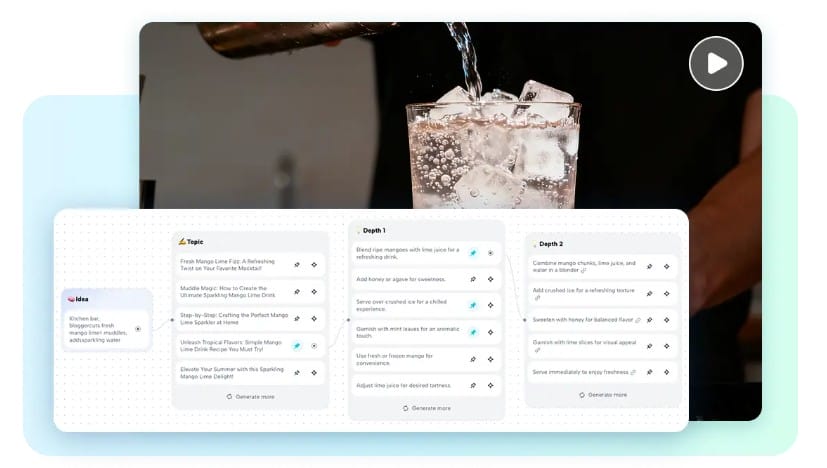
Steps to Craft High-Impact Headlines Using an AI Writer for Smart Drafting
Step 1: Activate the Headline Workspace
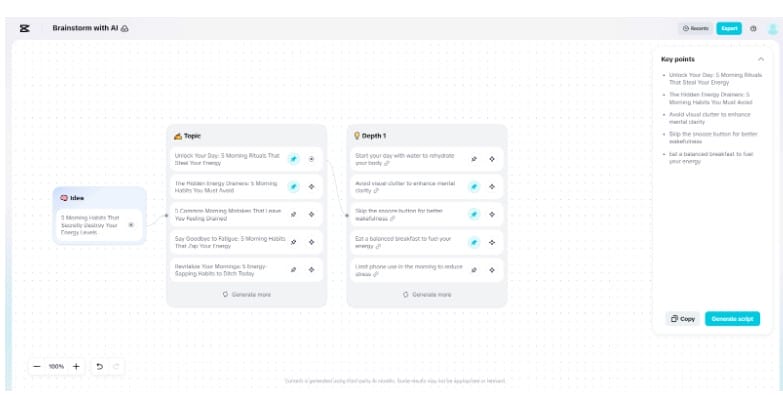
Open the CapCut online video editor and choose the “Video” tab from the top menu. From the main dashboard, click the “Brainstorm with AI” option. This instantly sets up a space for strategic headline creation.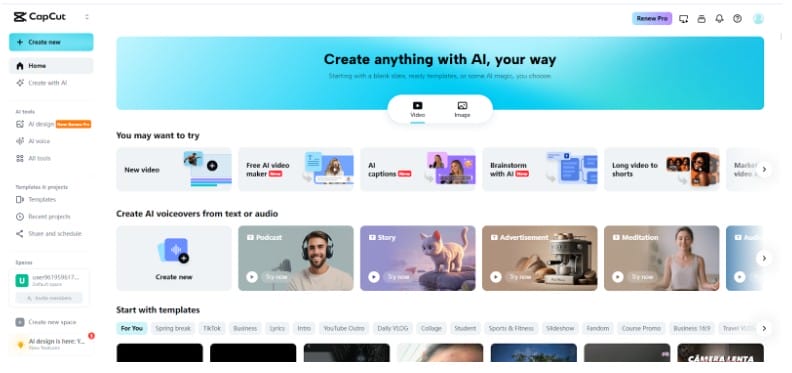
Step 2: Submit Your Headline Idea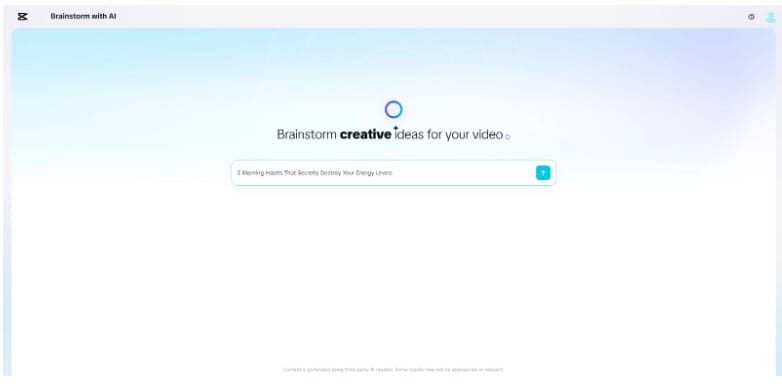
Add your headline theme into the prompt box and click the upward arrow icon to send it. CapCut generates several headline directions based on your idea. Select strong options using the “pin” icon. Expand each one with the “star” icon to view detailed headline structures.
Step 3: Finalize the Draft
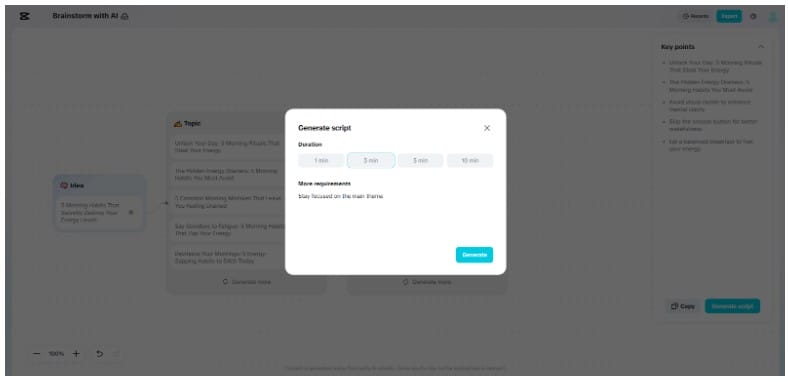
After choosing the best headline paths, click the “Generate” button. A new window lets you adjust duration and add specific instructions if needed. Click the “Generate” tab once more.
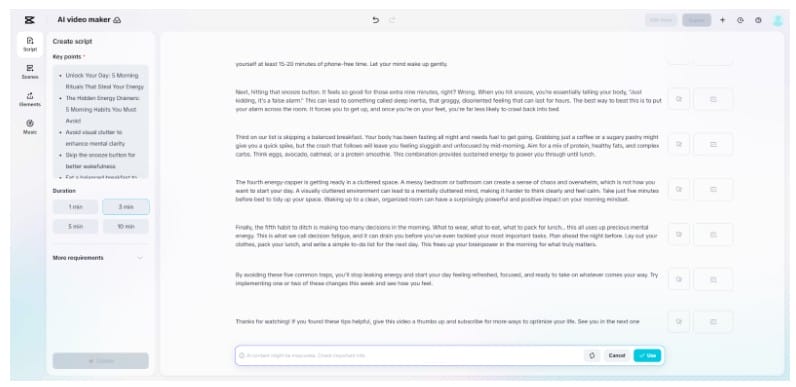
CapCut produces a complete script built around your selected headlines for immediate use.
Formulas of Headlines Improved with AI Intelligence
A number of formulaic headlines are AI savvy. Headlines that are action-oriented will encourage the audience to act instantly. Headlines that are benefit-oriented are concerned with what the viewer will get out of watching the content. Curiosity-based or transformational headlines generate curiosity and promise the change or knowledge. CapCut has the ability to evaluate the variations of every formula, which points out the best formula to ensure the highest engagement. Using AI storyboard functionality, creators can visualize how each headline might appear in a video sequence. This gives the text and graphics a break, so that all headlines are enticing and appealing to the eye.

Turning Headlines into Compelling Visual Stories with CapCut
Headlines are the most effective when they are accompanied by supportive visuals. CapCut enables the visual and headline tone alignment without any difficulties. Automatic scene planning converts focus on headline into an ordered sequence that provides a linear narrative flow. The consistency of brand voice in any visuals will be easy. The AI script-to-scene conversion of the platform makes the headlines go beyond being text to be read but part of a story. Every headline may inform color schemes, scene transitions, and pacing. This method improves the viewer attention and retention as it creates a smooth and refined experience.
How to Overcome the Common Headline Mistakes
Most headlines are unsuccessful because of being overcomplicated, using weak verbs, or being unspecified. Too lengthy or ambiguous headlines perplex the reader. Passive-based headlines are not usually punchy. Headlines that are generic and do not provide specifics do not attract attention. The AI-based tools of CapCut automatically overcome these problems. Weak sentences are reinforced and a terse, actionable and effective phrasing is achieved. The AI proposes different verbs and phrases that retain emotional appeal and interest. Producers are assured that their headlines will work best on various platforms and formats.
Conclusion
Human creativity combined with AI accuracy is transforming the content creation process. CapCut allows drafting of headlines quicker and sharper with originality. The AI-driven tools simplify the process of generating ideas, testing the headlines and visualizing the scenes, making it highly engaging. The skill of wordplay and the ability to use powerful images will allow producers to engage people more effectively than ever. Headline writing is no longer a time-consuming task but a workflow, which is supported by smart tools. In the future, AI-generated content creation will offer more polished, captivating, and visually consistent narratives.
Read More


Whether it is an influencer on Reddit or YouTube or professional traders and institutions…

With the economy slowing, everyone is looking to cut back in many ways. Some people…

n my book, Effort-Less Wealth – Smart Money Habits At Every Stage of Your Life,…

Financial news moves fast, and headlines often tempt investors to make snap decisions. A market…

Investing in new windows is often viewed as a luxury rather than a necessity in…

Owning a commercial property demands more than simply making an initial investment and hoping tenants…
Comments