Is mining Bitcoin legal? For most people, yes.
As of 2025, crypto mining is legal in the vast majority of the world, including the USA, Canada, UK, and most of Europe. However, it is not the “Wild West” anymore: governments are stepping in with rules about energy usage, taxes, and noise.
- Green Light: Most Western nations, Latin America (mostly), and the Middle East.
- Yellow Light (Restricted): Countries with unstable energy grids or strict capital controls.
- Red Light (Banned): A handful of countries, like China (technically), Algeria, and Nepal.
This guide breaks down the global map of mining laws so you can invest safely.
First — What Does “Legal Crypto Mining” Actually Mean?
Before we look at the map, you need to understand that “legal” doesn’t always mean “you can do whatever you want.” Governments usually put mining into one of four buckets:
- Fully Legal: You can plug in a machine at home or build a farm. You just pay standard business taxes. (Example: USA).
- Regulated / Licensed: You are allowed to mine, but you need a specific government permit or license, often to ensure you aren’t destabilizing the power grid. (Example: Kazakhstan).
- Restricted: Mining isn’t explicitly a crime, but banking bans or electricity tariffs make it nearly impossible.
- Banned: The act of mining is a criminal offense. (Example: Nepal).
Mini Glossary for Beginners
- Grid Impact: How much stress your machines put on the local power lines.
- KYC (Know Your Customer): Identity checks required by some countries for miners to sell their coins.
- Tariff: The price rate you pay for electricity. Some countries charge miners a higher “industrial” rate.
Region-by-Region Breakdown of Crypto Mining Allowance
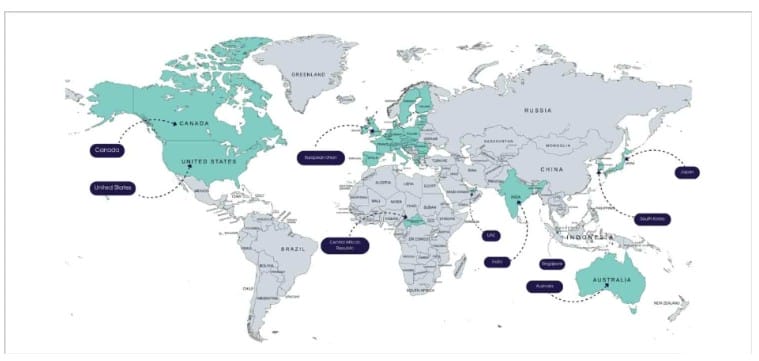
United States (Status: Fully Legal)
The US is the global capital of Bitcoin mining.
- Rules: No federal ban. You are free to mine.
- Taxes: Mined crypto is taxed as income upon receipt. Capital gains tax applies when you sell.
- Hotspots: Texas, Wyoming, Kentucky, and North Dakota are known for mining-friendly laws and low energy costs.
- Caution: Some states (like New York) have strict environmental moratoriums on new fossil-fuel mining plants, but home mining is fine.
Canada (Status: Fully Legal)
- Rules: Legal and very common due to abundant hydro energy.
- Restrictions: Some provinces (like British Columbia and Manitoba) have paused new connections for massive industrial farms to protect grid stability.
- Home Miners: Safe. Just pay your electricity bill.
Europe (Status: Legal but Strict)
- Nordics (Norway, Iceland, Sweden): These are mining paradises due to cold weather and green energy. Mining is fully legal.
- EU (Germany, France, Spain): Mining is legal, but electricity is very expensive (often $0.15–$0.30/kWh), making it unprofitable for most.
- Regulation: The EU’s “MiCA” laws focus mostly on trading, but there is strong pressure to use only renewable energy for mining.
Russia & CIS (Status: Legal but Regulated)
- Russia: In 2024-2025, Russia formally legalized mining but introduced strict controls. You must register with the government if you exceed energy limits.
- Update 2025: Mining is banned in specific energy-deficient regions (like parts of Siberia/Dagestan) during winter to prevent blackouts.
- Kazakhstan: Legal, but you must have a government license and pay specific mining taxes.
China (Status: Banned / Underground)
- Rules: In 2021, China banned all industrial mining.
- Reality: China still has ~15-20% of the global hashrate, but it is “underground” or disguised as data centers.
- Verdict: Do not try this. It is high-risk.
Latin America (Status: Mostly Legal)
- Paraguay: The “Mecca” for cheap energy. Mining is legal, but the government is cracking down on illegal connections, stealing power. Legal farms are safe.
- El Salvador: Mining is not just legal, it is state-sponsored (Volcano Energy).
- Argentina: Legal, but high inflation and currency controls make importing hardware difficult.
Middle East & Africa (Status: Emerging)
- UAE (Dubai/Abu Dhabi): Fully legal and booming. Zero tax in free zones, but requires huge capital for immersion cooling (due to heat).
- Nigeria/Kenya: Crypto usage is massive, but mining faces regulatory uncertainty and unreliable power grids.
Why Do Some Countries Ban Cryptocurrency Mining?

If Bitcoin is just math, why is it illegal? Usually, it’s not about the money — it’s about the power grid.
- Energy Shortages: If a country barely has enough electricity for hospitals and homes (e.g., Iran, Venezuela), it cannot afford miners sucking up 10% of the supply.
- Capital Controls: Authoritarian governments (e.g., China) hate Bitcoin because it allows citizens to move money out of the country without permission.
- Misunderstanding: Some politicians still view crypto solely as a tool for crime, leading to blanket bans (e.g., Nepal, Bangladesh).
Beginner-Friendly Legal Checklist: How to Stay Safe
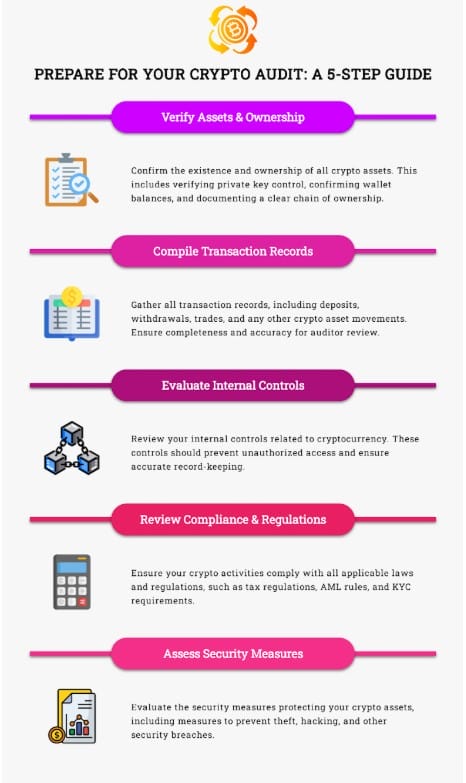
If you want to start mining, follow this 5-step compliance check.
Step 1: Check Your Lease/HOA
If you rent an apartment or live in a strict HOA, check if running “commercial equipment” or high-load machinery is allowed. Noise complaints are the #1 reason home miners get shut down.
Step 2: Know Your Electricity Tariff
In some regions (like parts of Washington State or Quebec), utility companies have a separate, higher rate for crypto mining. Hiding your activity to pay residential rates can lead to fines.
Step 3: Pay Your Taxes
In the US/EU/Canada, mining rewards are income.
- If you mine 0.1 BTC when Bitcoin is $50,000, you owe income tax on $5,000.
- You also owe capital gains tax if you sell that Bitcoin later at $60,000.
- Tip: Use crypto tax software (like Koinly or CoinTracker).
Step 4: Avoid “Stealth” Mining
Never try to bypass an electricity meter or steal power. This turns a civil disagreement into a criminal theft charge.
Step 5: Use Hosting
If you are worried about local laws or noise, use a Hosted Mining service. You buy the machine, but it lives in a legal, compliant facility in Texas or Paraguay. They handle the permits — you just get the Bitcoin.
Conclusion on legality of cryptocurrency mining
Is crypto mining legal? Yes, in most of the free world.
Governments have realized they cannot ban Bitcoin, so they are regulating it instead. For a beginner in 2025, the biggest risk isn’t the police kicking down your door — it’s profitability.
- Safe Zones: USA, Canada, Europe, UAE.
- High Risk: China, North Africa, and Countries with energy crises.
Always pay your electricity bill, report your income to the tax man, and you will be fine.
FAQ
- Is Bitcoin mining legal in the USA?
Yes, 100%. Some states even offer tax incentives to miners.
- Why is mining banned in China?
The government wants to control the currency and stop money from leaving the country. They also cited environmental concerns.
- Can I go to jail for mining?
Only if you steal electricity or mine in a country where it is explicitly criminalized (like Nepal). In the US/EU, the worst case is usually a fine for zoning violations or unpaid taxes.
- Do I need a license to mine at home?
Generally, no. Licenses are usually only for industrial farms drawing megawatts of power.
- Is mining legal in Islamic countries?
It varies. The UAE and Oman are heavily investing in it. Others, like Algeri, have bans. Some Islamic scholars view crypto as haram (gambling), while others view it as valid digital property. Consult local guidance.
Read More


Surge in Municipal Bonds Municipal Bonds have never been sexy unless you like steady tax-free…

Metropolitan Commercial Bank (MCB) is pulling out of the cryptocurrency market, while Silvergate Bank is…

If you've found yourself in legal trouble, you may need to enlist the help of…

Lumber Prices Up, Down, Up Again The decrease in lumber costs looked like the light…

We never really value our health until it fails us. And then we find out…

On November 10, the Senate Agriculture Committee unveiled a long-awaited draft of the Crypto Asset…
Comments