Decorating your home is a deeply personal endeavor, a chance to create a space that not only looks beautiful but also feels welcoming and expresses your individual style. Whether you are sprucing up a single room or revamping your entire house, here are some essential tips to help you decorate your home nicely.

Start with a Plan
Before you begin buying décor items, it is important to have a clear vision for your space. Think about the function of each room, the kind of atmosphere you want to create, and how the space flows from one room to the next. You can sketch out a basic layout or use online design tools to try out different arrangements and styles. This planning stage helps you get things right before money is spent or paintbrushes are picked up. If you want fresh ideas or inspiration while planning, you can even browse sites like WhatAreTheBest.com for recommendations on items that make your home feel more put together without overthinking the process.
Choose a Color Scheme
A cohesive color scheme ties rooms together and gives your home a calm and unified feel. Choose one or two main colors, then balance them with lighter shades or softer tones. Let inspiration come from anywhere, like a cushion you love, artwork that stands out to you, or even natural colors that feel relaxing. Paint can completely change a room and is one of the simplest and most affordable ways to refresh a space without doing a full renovation.
Invest in Quality Furniture
Furniture is the heart of each room and affects how you use your space day after day. Choose pieces that are comfortable to live with and strong enough to last. Think about the size of each item in relation to your room, because big furniture in a small area can crowd your layout and make the space feel closed in. A good sofa, a reliable dining table, and well made chairs are worth the investment. They are what you use the most, and the payoff is comfort that lasts.
Incorporate Textiles
Textiles are what make a space feel warm and lived in. Curtains soften windows, cushions make sofas feel inviting, throw blankets can change the personality of a chair, and rugs can pull an entire room together. They also make it easy to add color without committing to major changes. Mixing textures like cotton, velvet, wool, and woven fabrics gives your home depth. It keeps rooms from looking flat or too coordinated.
Use Lighting Strategically
Lighting has a bigger impact than most people realize. It affects mood, comfort, and even how color looks in a room. Use lighting at different levels to make a space feel layered. A ceiling light alone can leave your room feeling cold and flat, so mix it with table lamps, floor lamps, and wall lights that are softer to look at in the evening. Dimmer switches are a smart addition because they let you control brightness depending on the time of day and the type of atmosphere you want.
Add Personal Touches
Your home should show who you are, not just what style you like. Photographs, favorite books, small memories from trips, or everyday items that mean something to you can turn a well decorated house into a home that feels like it belongs to you. A gallery wall is a great way to display artwork and pictures without overdoing it. Frames do not need to match. What matters most is that what you choose to display has meaning.
Try Different Layouts Before You Commit
It is very easy to assume a sofa belongs against a certain wall or a bed should always go in one spot, but it helps to experiment. Try different placements before settling on one. Sometimes just turning a sofa slightly or moving a table to a different spot opens up the room. If you feel stuck with your layout, stand in the doorway and imagine walking through the space the way a guest would. The best arrangement usually makes the room feel open, even if the furniture stays in the same place.
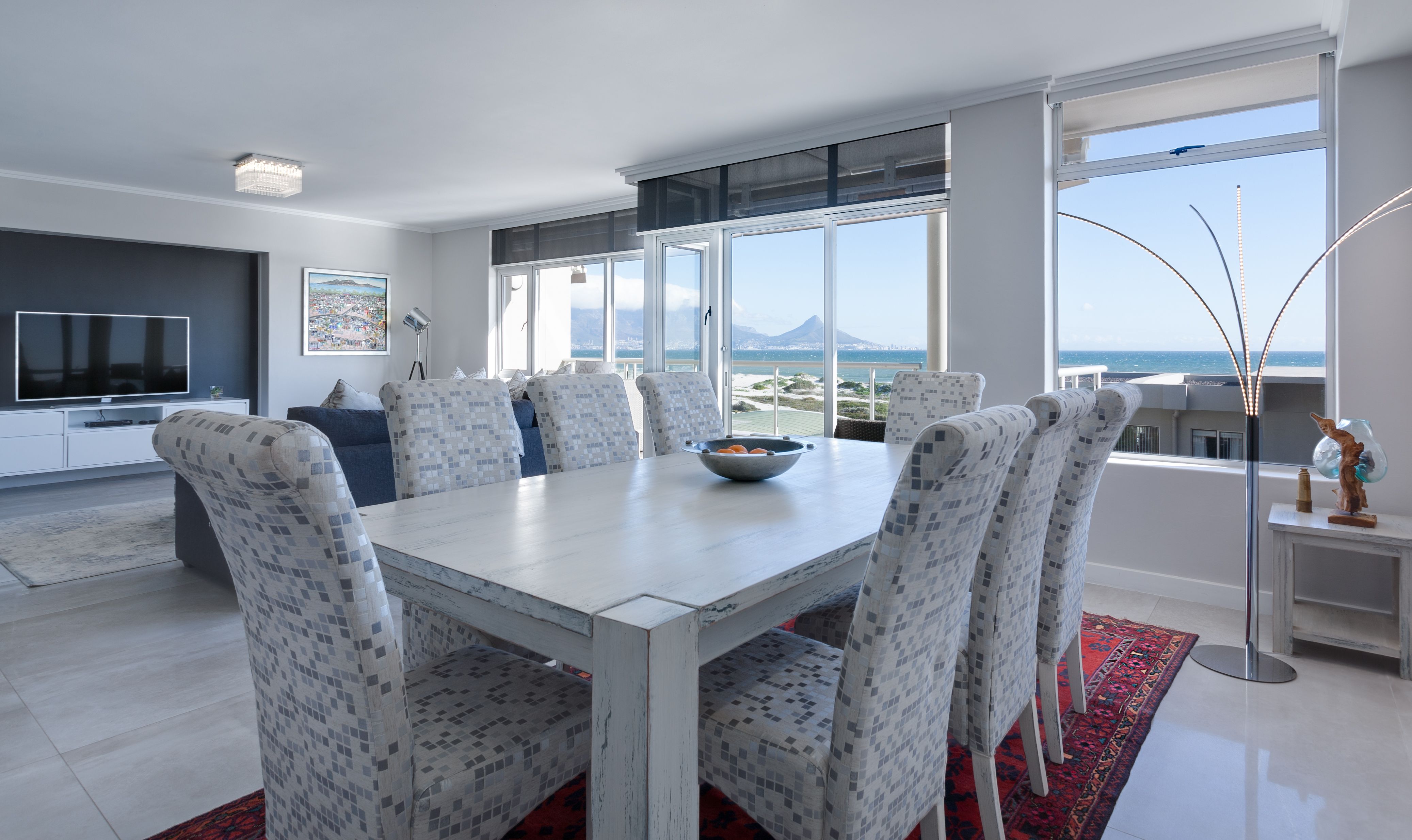
Utilize Innovative Fixtures and Hardware
Small updates can make a surprising difference. Replacing cabinet handles or drawer pulls can make old furniture look new again. Light switch covers, door knobs, curtain rods, and even small storage hooks can refresh areas of the home without requiring serious changes. If you want to hang lightweight items without making holes in the wall, double sided decor tape is handy and easy to remove. It works well for posters, small mirrors, and simple wall art.
Create Zones with Rugs and Dividers
Open spaces are great, but they can feel unfinished without clear areas. Rugs help define sections like a dining space or a reading corner. They pull furniture together and give your eyes a sense of structure. Dividers can also help create zones, and they do not need to be complicated. A shelf filled with books, a folding screen, or even a tall plant can create a boundary while still keeping the room open.
Embrace Greenery
Plants make everything feel more alive. They bring natural movement into your home, add color, and even help clean the air. Large plants can fill empty corners and make a room feel styled without needing extra furniture. Small plants look great on shelves and countertops. Whether you choose a few large plants or several small ones, the goal is to choose greenery you can care for. It should fit your light levels and the amount of time you want to spend maintaining it.
Take Your Time
Decorating does not need to be rushed. Your home will look more personal and lived in when you build it slowly and choose things for a reason rather than filling space just to finish a room. Let changes happen naturally. Enjoy rearranging things, trying new colors, and adding pieces as you discover them. The best decorated homes feel collected and meaningful, not staged or rushed.
By following these tips, you can create a home that feels beautiful, comfortable, and true to you. Decorating is not just about what looks nice. It is about making a space you look forward to being in every day, a place where people feel welcome, and where you can relax and enjoy the life happening inside it.
Read More


If you find value in these articles, please share them with your inner circle…

Dear Dave, What do you think about the idea of taking money out of your…

Marriage is a meaningful life event with new responsibilities and decisions. Creating a will is…

Staying fit is wise for several reasons. The issue is that the cost of a…

There are many misconceptions about the lifestyles of the wealthy. While it's easy to assume…

When we think of financial exploitation, we often picture scammers or strangers. But in reality,…
Comments