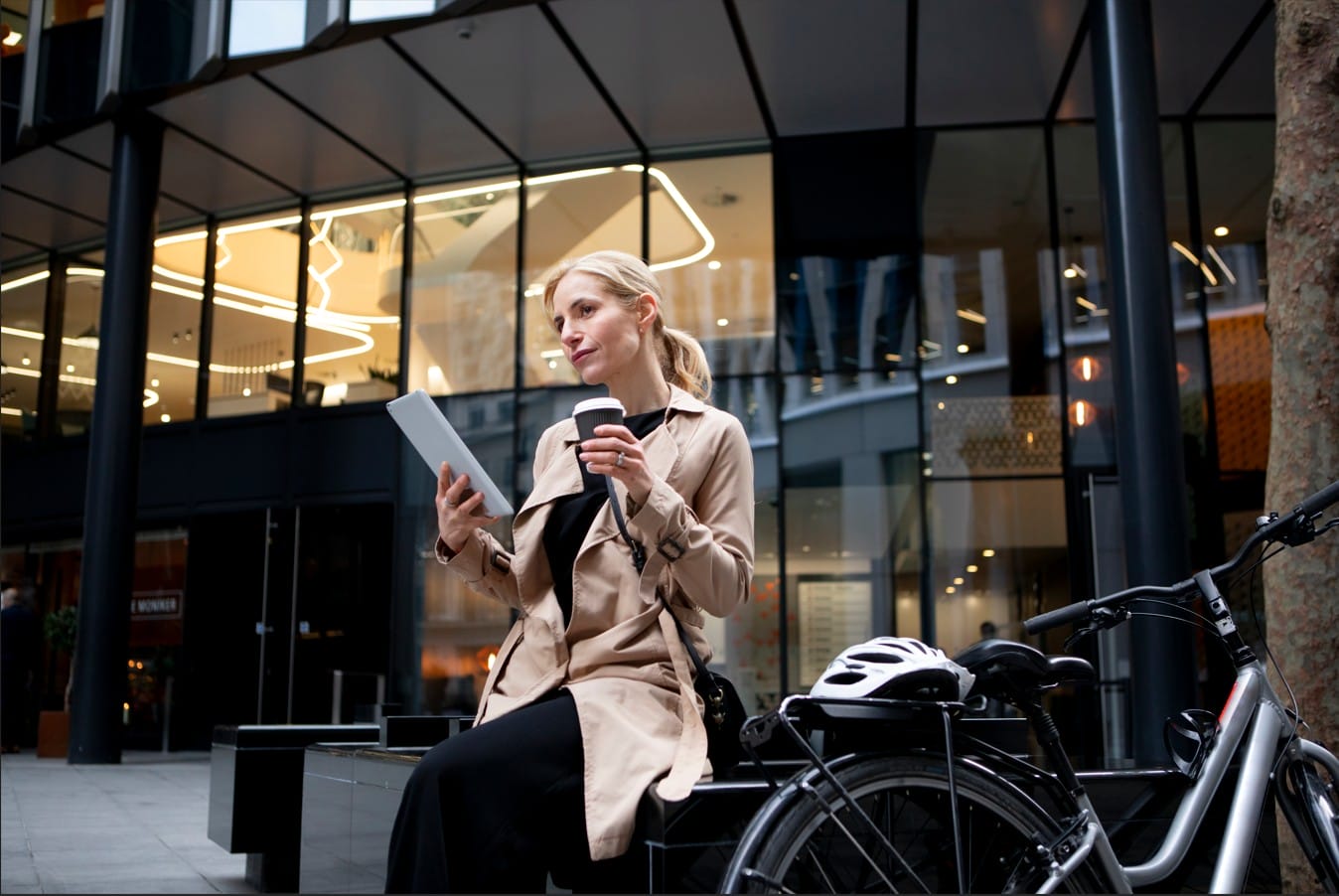
Getting from one place to another in Los Angeles should not feel like navigating an obstacle course, yet the reality for pedestrians and cyclists often proves otherwise. Dense traffic patterns combined with ongoing construction projects create conditions where even the most cautious commuters face serious risks. Understanding these dangers and knowing how to protect yourself becomes essential for anyone who shares the road with vehicles.
When accidents do occur despite every precaution, the aftermath can overwhelm victims who suddenly find themselves dealing with medical bills, insurance adjusters, and legal complexities. Having experienced professionals like Michael Kelly Injury Lawyers who understand the nuances of traffic incidents can provide injured pedestrians and cyclists with the guidance needed to secure fair compensation while focusing on recovery. This support network proves invaluable when navigating the intersection of healthcare systems and legal processes that follow serious accidents.
Essential Safety Practices for Pedestrians
Strategic Route Planning
Choosing your path carefully can significantly reduce exposure to high-risk situations. Select routes with:
- Well-maintained sidewalks separated from traffic by physical barriers
- Controlled intersections featuring dedicated pedestrian signals and countdown timers
- Adequate street lighting for evening and early morning travel
- Lower speed limits enforced through traffic calming measures
- Fewer complex intersections where multiple turning movements occur simultaneously.
Familiarity with alternate routes allows quick adaptation when primary paths become compromised by construction or unusual traffic conditions. Regularly reassessing route safety as seasons change helps account for variations in daylight hours and weather-related visibility issues.
Defensive Walking Techniques
Making yourself visible requires active effort beyond simply occupying space on the sidewalk. Wear bright or reflective clothing, especially during dawn and dusk when ambient light creates challenging visibility conditions. Make eye contact with drivers before entering crosswalks to confirm they have registered your presence and intent. You should assume vehicles will not yield until they demonstrate clear stopping behavior through reduced speed and positioning.
It is important to eliminate distractions by keeping phones stored away and removing headphones that block auditory warnings. Stay alert to vehicle backup lights and turning signals that indicate impending movement across pedestrian paths. You should position yourself away from curb edges at bus stops and loading zones where vehicles maneuver unpredictably.
Bicycle Safety in Complex Urban Environments
Equipment and Visibility Enhancements
Proper gear extends beyond basic helmets to include multiple lighting systems. Front white lights and rear red flashers should operate during all riding conditions, not just nighttime hours. Side-mounted reflectors increase visibility to perpendicular traffic at intersections. Also, bright clothing in fluorescent colors helps riders stand out against urban backgrounds dominated by neutral tones. Overall, you should:
- Maintain your bicycle in excellent mechanical condition through regular inspections
- Check brake responsiveness before every ride and ensure tires maintain proper inflation for optimal traction
- Verify that all reflectors remain clean and securely attached
- Consider adding a mirror to monitor approaching traffic without the need for frequent shoulder checks that can compromise forward attention.
Navigating Traffic with Assertiveness
Riding predictably helps drivers anticipate your movements and adjust accordingly. Occupy your lane position confidently rather than hugging the curb where road debris accumulates and drainage grates pose wheel-catching hazards. Signal intentions clearly using hand gestures well in advance of turns or lane changes.
You should avoid the temptation to squeeze between stopped cars and curbs, a practice that places you in blind spots and leaves no escape route if doors open. When approaching intersections, position yourself where drivers can see you rather than lingering in peripheral vision zones. Ride at speeds appropriate for conditions that allow adequate reaction time to unexpected obstacles.
Legal Considerations and Your Rights
Understanding your rights as a vulnerable road user helps protect your interests following an accident. California operates under comparative negligence principles that allow recovery even when you bear partial responsibility for an incident. However, insurance companies frequently attempt to shift blame onto pedestrians and cyclists to minimize payouts.
Document everything related to your accident including medical treatments, lost wages, and impacts on daily life. Insurance adjusters may pressure you into quick settlements before the full extent of injuries becomes apparent. You have no obligation to provide recorded statements or accept initial offers that fail to account for ongoing medical needs and rehabilitation costs.
Knowing when to seek professional legal guidance protects your long-term interests. Complex cases involving disputed liability, serious injuries, or uncooperative insurance companies benefit from experienced advocacy. Legal professionals can assess whether settlement offers reflect the true value of your claim and negotiate from positions of strength backed by thorough case preparation.
Building Safer Communities Through Advocacy
Individual vigilance addresses immediate personal safety, but systemic change requires collective action. Attend city planning meetings where infrastructure decisions affecting pedestrian and cyclist safety receive discussion and approval. Advocate for proven safety enhancements, including protected bike lanes, pedestrian refuge islands, and improved intersection design.
Support organizations working to improve street conditions and promote vulnerable road user rights. Many cities have active advocacy groups that conduct safety audits, propose policy changes, and work with officials to implement evidence-based improvements. Your participation amplifies these efforts and helps prioritize safety in transportation planning.
Read More


I like finding the hidden costs in personal finances. Hidden costs are those costs that…

On paper, it looks like you're thriving. You own your home outright, or have significant…

When you open a new bank account, credit card, or investment platform, you probably skip…

You've bought land. Of course, you want to be able to access the water on…

When you move into a retirement home, you may expect upfront costs like a deposit…

In a world where financial stability seems more like a mirage than reality, recent events…
Comments