Flying private is often associated with celebrities, CEOs, and ultra-wealthy individuals. For most travelers, the idea of stepping onto a sleek jet waiting just for them feels out of reach. But what if there was a way to experience the exclusivity and convenience of private aviation without the jaw-dropping price tag? That’s where empty leg flights come in.
Empty legs—sometimes called “deadhead flights”—are one of the best-kept secrets in private aviation. They can slash the cost of private jet travel by up to 75%, making them the perfect entry point for travelers who crave luxury without the full cost. However, they’re not without challenges: schedules can shift, routes are limited, and return flights aren’t guaranteed.
This guide will take you through everything you need to know about empty legs—how they work, why they’re cheaper, where to find them, and how to book them strategically so you can enjoy the world of private jet travel with confidence.
What Are Empty Leg Flights?
Imagine a passenger books a one-way flight from Los Angeles to Aspen. Once they’ve landed, the jet must return to its home base or head to another location for its next charter. Without paying passengers onboard, the return trip is an “empty leg.”
Instead of flying without passengers, operators list these repositioning flights at steep discounts. Think of it like a rideshare driver needing to return downtown after dropping someone off in the suburbs—the ride back still happens, but at a reduced price if someone is willing to tag along.
Empty legs are common because:
- Most charters are one-way trips.
- Jets often reposition between bookings.
- Operators prefer to earn partial revenue rather than none.
Why Empty Leg Flights Are Cheaper
Private jets are costly to operate. Even when flying empty, expenses include:
- Fuel (often thousands of dollars per hour)
- Crew salaries and per diems
- Maintenance costs (tracked by flight hours and cycles)
- Airport and hangar fees
Operators would rather recoup a portion of these expenses than absorb a full loss. By offering empty legs at steep discounts, they fill otherwise wasted capacity—while giving passengers a rare chance to fly private affordably.
Benefits of Booking Empty Leg Flights
1. Major Cost Savings
Empty legs are the most affordable way to fly private. Discounts of 50–75% are common, and sometimes deals bring costs down to near commercial first-class prices.
2. The Luxury Experience
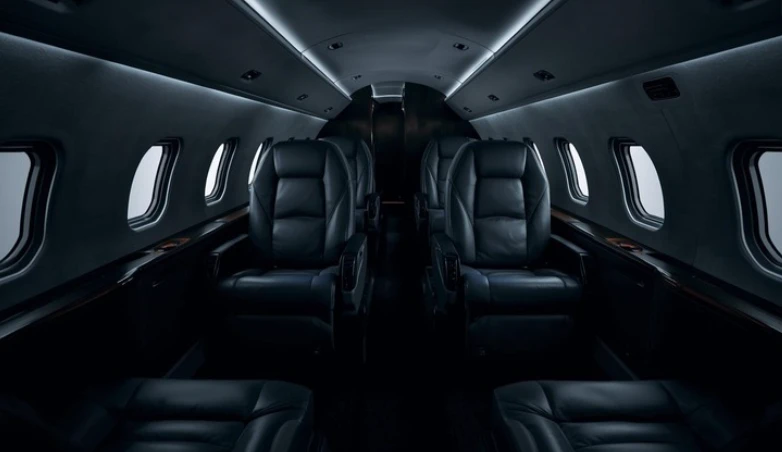
You’ll still enjoy the perks of private aviation: skipping security lines, boarding directly from a private terminal (FBO), and relaxing in a cabin customized for comfort and privacy.
3. Access to Premium Jets
Empty legs aren’t limited to small aircraft. Long-range jets like Gulfstreams or Bombardier Globals often need repositioning. This means you might snag a ride on a $50 million aircraft for a fraction of the normal rate.
4. Adventure and Flexibility
Empty legs are perfect for spontaneous travelers. If you love last-minute trips, this model fits your lifestyle—and gives you routes you might never have considered.
Drawbacks of Empty Leg Flights
1. Fixed Routes
Empty legs are tied to the operator’s repositioning schedule. You don’t pick the route; you take what’s available.
2. Last-Minute Changes
If the original paying customer cancels or reschedules, your empty leg might be adjusted—or disappear entirely.
3. One-Way Only
Return legs are rare. Travelers often need to arrange alternative transportation home, which can add to costs.
4. Unpredictable Availability
You can’t always count on empty legs for critical business trips. They’re best for flexible or leisure travel.
How to Find Empty Leg Flights
1. Charter Brokers
Brokers maintain networks of operators and often know about empty legs before they’re widely advertised. They can alert you when flights match your preferred routes.
2. Online Platforms and Apps
Modern platforms list available empty legs in real time. Some examples include:
- XO – Known for its digital-first booking process.
- Victor – Offers empty legs with a focus on transparency.
- Villiers Jets – Access to 10,000+ aircraft worldwide.
- Jettly – Subscription-based, with empty leg options included.
3. Direct with Operators
Many private jet companies now post empty legs directly on their websites or through newsletters. Signing up for alerts keeps you informed.
4. Membership Clubs
Some jet card and membership programs include exclusive empty leg access, giving members priority booking before the general public.
Average Pricing for Empty Leg Flights
Empty leg pricing varies by aircraft, distance, and demand. Here’s what you might expect:
- New York – Miami (Light Jet): $6,000–$8,000 (vs. $15,000+)
- Los Angeles – Las Vegas (Light Jet): $3,000–$5,000
- London – Paris (Midsize Jet): $7,000–$10,000
- New York – London (Heavy Jet): $30,000–$40,000 (vs. $70,000+)
Split among 4–8 passengers, the cost can rival business or even economy class fares per person.
Who Should Consider Empty Leg Flights?
- Leisure Travelers – Perfect for families or couples seeking a luxurious getaway.
- Flexible Business Travelers – Entrepreneurs with adaptable schedules.
- Spontaneous Adventurers – Travelers who love last-minute opportunities.
- Groups – Cost per seat drops significantly when split among friends or colleagues.
Tips for Booking Empty Leg Flights
- Stay Flexible – Treat empty legs as opportunities, not guarantees.
- Book Quickly – Deals vanish fast—sometimes within hours.
- Have a Backup Plan – Always plan alternative transportation in case of cancellation.
- Use Alerts – Many apps let you set route preferences and get instant notifications.
- Ask What’s Included – Catering, ground transport, and baggage limits vary by provider.
Empty Leg Flights vs. Other Private Aviation Options
Empty Legs vs. On-Demand Charters
- Charter: Full flexibility, but expensive.
- Empty Leg: Cheaper, but limited choice.
Empty Legs vs. Jet Cards
- Jet Cards: Guaranteed access, fixed rates, higher upfront cost.
- Empty Legs: No commitment, big discounts, but unpredictable.
Empty Legs vs. Fractional Ownership
- Fractional Ownership: Long-term investment, guaranteed hours, big upfront costs.
- Empty Legs: Occasional savings, no ownership, no obligations.
Technology’s Role in Empty Leg Travel
Mobile Apps
Platforms now allow you to book empty legs instantly—no calls, no paperwork delays.
AI-Powered Matching
AI suggests flights based on your preferences and location, saving time.
Real-Time Notifications
Instant alerts keep you ahead of other travelers vying for the same deal.
Blockchain for Payments
Some platforms are exploring blockchain to make bookings more secure and transparent.
Sustainability and Empty Legs
While private aviation faces scrutiny over emissions, empty legs are inherently less wasteful—they utilize flights that would have flown empty anyway.
Operators also invest in:
- Sustainable Aviation Fuel (SAF)
- Carbon offsetting programs
- Fleet modernization with more efficient jets
This makes empty legs a relatively eco-friendlier way to experience private flying.
Common Mistakes to Avoid
- Relying Solely on Empty Legs: Great for leisure, but risky for business-critical trips.
- Ignoring Fine Print: Some operators add fees for catering or airport handling.
- Assuming a Return Flight Exists: Empty legs are almost always one-way.
- Not Checking Safety Standards: Always ensure the operator is certified by ARGUS, Wyvern, or IS-BAO.
The Future of Empty Leg Flights
The concept is only getting stronger as technology evolves. Expect to see:
- Subscription models where travelers pay a flat fee for unlimited empty leg access.
- AI-optimized routing to reduce waste and improve matching between aircraft and passengers.
- Green aviation solutions with SAF and hybrid-electric jets integrated into repositioning flights.
- Broader accessibility as more platforms bring transparency to the market.
Empty legs may soon become one of the most popular entry points into private aviation.
Empty leg flights prove that luxury doesn’t always mean sky-high prices. By taking advantage of jets that would otherwise fly empty, you gain access to private terminals, personalized service, and the glamour of private jets—at a fraction of the usual cost.
Yes, there are limitations—routes are fixed, return flights aren’t guaranteed, and flexibility is key. But for those who approach it strategically, empty legs offer a golden opportunity to experience private aviation like never before.
So, whether you’re planning a spontaneous getaway or simply curious about flying private, keep an eye out for empty legs. The sky may be more within reach than you think.
FAQ
1. How much can I really save with empty leg flights?
Savings of 50–75% are common, sometimes even more for last-minute deals.
2. Are empty leg flights always one-way?
Yes. They are repositioning flights, so return legs must be booked separately.
3. Can I book empty legs far in advance?
Usually not. They’re often listed only days—or even hours—before departure.
4. Are empty legs safe?
Yes. They’re flown by the same certified crews and operators as regular charters.
5. Can I share the cost with friends?
Absolutely. Splitting costs among passengers makes empty legs incredibly affordable per person.
Flying private is often associated with celebrities, CEOs, and ultra-wealthy individuals. For most travelers, the idea of stepping onto a sleek jet waiting just for them feels out of reach. But what if there was a way to experience the exclusivity and convenience of private aviation without the jaw-dropping price tag? That’s where empty leg flights come in.
Empty legs—sometimes called “deadhead flights”—are one of the best-kept secrets in private aviation. They can slash the cost of private jet travel by up to 75%, making them the perfect entry point for travelers who crave luxury without the full cost. However, they’re not without challenges: schedules can shift, routes are limited, and return flights aren’t guaranteed.
This guide will take you through everything you need to know about empty legs—how they work, why they’re cheaper, where to find them, and how to book them strategically so you can enjoy the world of private jet travel with confidence.
What Are Empty Leg Flights?
Imagine a passenger books a one-way flight from Los Angeles to Aspen. Once they’ve landed, the jet must return to its home base or head to another location for its next charter. Without paying passengers onboard, the return trip is an “empty leg.”
Instead of flying without passengers, operators list these repositioning flights at steep discounts. Think of it like a rideshare driver needing to return downtown after dropping someone off in the suburbs—the ride back still happens, but at a reduced price if someone is willing to tag along.
Empty legs are common because:
- Most charters are one-way trips.
- Jets often reposition between bookings.
- Operators prefer to earn partial revenue rather than none.
Why Empty Leg Flights Are Cheaper
Private jets are costly to operate. Even when flying empty, expenses include:
- Fuel (often thousands of dollars per hour)
- Crew salaries and per diems
- Maintenance costs (tracked by flight hours and cycles)
- Airport and hangar fees
Operators would rather recoup a portion of these expenses than absorb a full loss. By offering empty legs at steep discounts, they fill otherwise wasted capacity—while giving passengers a rare chance to fly private affordably.
Benefits of Booking Empty Leg Flights
1. Major Cost Savings
Empty legs are the most affordable way to fly private. Discounts of 50–75% are common, and sometimes deals bring costs down to near commercial first-class prices.
2. The Luxury Experience
You’ll still enjoy the perks of private aviation: skipping security lines, boarding directly from a private terminal (FBO), and relaxing in a cabin customized for comfort and privacy.
3. Access to Premium Jets
Empty legs aren’t limited to small aircraft. Long-range jets like Gulfstreams or Bombardier Globals often need repositioning. This means you might snag a ride on a $50 million aircraft for a fraction of the normal rate.
4. Adventure and Flexibility
Empty legs are perfect for spontaneous travelers. If you love last-minute trips, this model fits your lifestyle—and gives you routes you might never have considered.
Drawbacks of Empty Leg Flights
1. Fixed Routes
Empty legs are tied to the operator’s repositioning schedule. You don’t pick the route; you take what’s available.
2. Last-Minute Changes
If the original paying customer cancels or reschedules, your empty leg might be adjusted—or disappear entirely.
3. One-Way Only
Return legs are rare. Travelers often need to arrange alternative transportation home, which can add to costs.
4. Unpredictable Availability
You can’t always count on empty legs for critical business trips. They’re best for flexible or leisure travel.
How to Find Empty Leg Flights
1. Charter Brokers
Brokers maintain networks of operators and often know about empty legs before they’re widely advertised. They can alert you when flights match your preferred routes.
2. Online Platforms and Apps
Modern platforms list available empty legs in real time. Some examples include:
- XO – Known for its digital-first booking process.
- Victor – Offers empty legs with a focus on transparency.
- Villiers Jets – Access to 10,000+ aircraft worldwide.
- Jettly – Subscription-based, with empty leg options included.
3. Direct with Operators
Many private jet companies now post empty legs directly on their websites or through newsletters. Signing up for alerts keeps you informed.
4. Membership Clubs
Some jet card and membership programs include exclusive empty leg access, giving members priority booking before the general public.
Average Pricing for Empty Leg Flights
Empty leg pricing varies by aircraft, distance, and demand. Here’s what you might expect:
- New York – Miami (Light Jet): $6,000–$8,000 (vs. $15,000+)
- Los Angeles – Las Vegas (Light Jet): $3,000–$5,000
- London – Paris (Midsize Jet): $7,000–$10,000
- New York – London (Heavy Jet): $30,000–$40,000 (vs. $70,000+)
Split among 4–8 passengers, the cost can rival business or even economy class fares per person.
Who Should Consider Empty Leg Flights?
- Leisure Travelers – Perfect for families or couples seeking a luxurious getaway.
- Flexible Business Travelers – Entrepreneurs with adaptable schedules.
- Spontaneous Adventurers – Travelers who love last-minute opportunities.
- Groups – Cost per seat drops significantly when split among friends or colleagues.
Tips for Booking Empty Leg Flights
- Stay Flexible – Treat empty legs as opportunities, not guarantees.
- Book Quickly – Deals vanish fast—sometimes within hours.
- Have a Backup Plan – Always plan alternative transportation in case of cancellation.
- Use Alerts – Many apps let you set route preferences and get instant notifications.
- Ask What’s Included – Catering, ground transport, and baggage limits vary by provider.
Empty Leg Flights vs. Other Private Aviation Options
Empty Legs vs. On-Demand Charters
- Charter: Full flexibility, but expensive.
- Empty Leg: Cheaper, but limited choice.
Empty Legs vs. Jet Cards
- Jet Cards: Guaranteed access, fixed rates, higher upfront cost.
- Empty Legs: No commitment, big discounts, but unpredictable.
Empty Legs vs. Fractional Ownership
- Fractional Ownership: Long-term investment, guaranteed hours, big upfront costs.
- Empty Legs: Occasional savings, no ownership, no obligations.
Technology’s Role in Empty Leg Travel
Mobile Apps
Platforms now allow you to book empty legs instantly—no calls, no paperwork delays.
AI-Powered Matching
AI suggests flights based on your preferences and location, saving time.
Real-Time Notifications
Instant alerts keep you ahead of other travelers vying for the same deal.
Blockchain for Payments
Some platforms are exploring blockchain to make bookings more secure and transparent.
Sustainability and Empty Legs
While private aviation faces scrutiny over emissions, empty legs are inherently less wasteful—they utilize flights that would have flown empty anyway.
Operators also invest in:
- Sustainable Aviation Fuel (SAF)
- Carbon offsetting programs
- Fleet modernization with more efficient jets
This makes empty legs a relatively eco-friendlier way to experience private flying.
Common Mistakes to Avoid
- Relying Solely on Empty Legs: Great for leisure, but risky for business-critical trips.
- Ignoring Fine Print: Some operators add fees for catering or airport handling.
- Assuming a Return Flight Exists: Empty legs are almost always one-way.
- Not Checking Safety Standards: Always ensure the operator is certified by ARGUS, Wyvern, or IS-BAO.
The Future of Empty Leg Flights
The concept is only getting stronger as technology evolves. Expect to see:
- Subscription models where travelers pay a flat fee for unlimited empty leg access.
- AI-optimized routing to reduce waste and improve matching between aircraft and passengers.
- Green aviation solutions with SAF and hybrid-electric jets integrated into repositioning flights.
- Broader accessibility as more platforms bring transparency to the market.
Empty legs may soon become one of the most popular entry points into private aviation.
Empty leg flights prove that luxury doesn’t always mean sky-high prices. By taking advantage of jets that would otherwise fly empty, you gain access to private terminals, personalized service, and the glamour of private jets—at a fraction of the usual cost.
Yes, there are limitations—routes are fixed, return flights aren’t guaranteed, and flexibility is key. But for those who approach it strategically, empty legs offer a golden opportunity to experience private aviation like never before.
So, whether you’re planning a spontaneous getaway or simply curious about flying private, keep an eye out for empty legs. The sky may be more within reach than you think.
FAQ
1. How much can I really save with empty leg flights?
Savings of 50–75% are common, sometimes even more for last-minute deals.
2. Are empty leg flights always one-way?
Yes. They are repositioning flights, so return legs must be booked separately.
3. Can I book empty legs far in advance?
Usually not. They’re often listed only days—or even hours—before departure.
4. Are empty legs safe?
Yes. They’re flown by the same certified crews and operators as regular charters.
5. Can I share the cost with friends?
Absolutely. Splitting costs among passengers makes empty legs incredibly affordable per person.
Read More


Gas prices, consumer spending on home remodeling, and travel are on the rise while GameStop…

If you can do a home upgrade and save money while doing so, you will…

People will tell you that if you want to save money on electricity, then you…

After long, cold, dark winter days, most of us can’t wait to swap out heavy,…

We’re taught from an early age that there are golden rules to saving money—cut back…

There are endless possibilities when it comes to collecting. You have cars, wine, figurines, cards,…
Comments