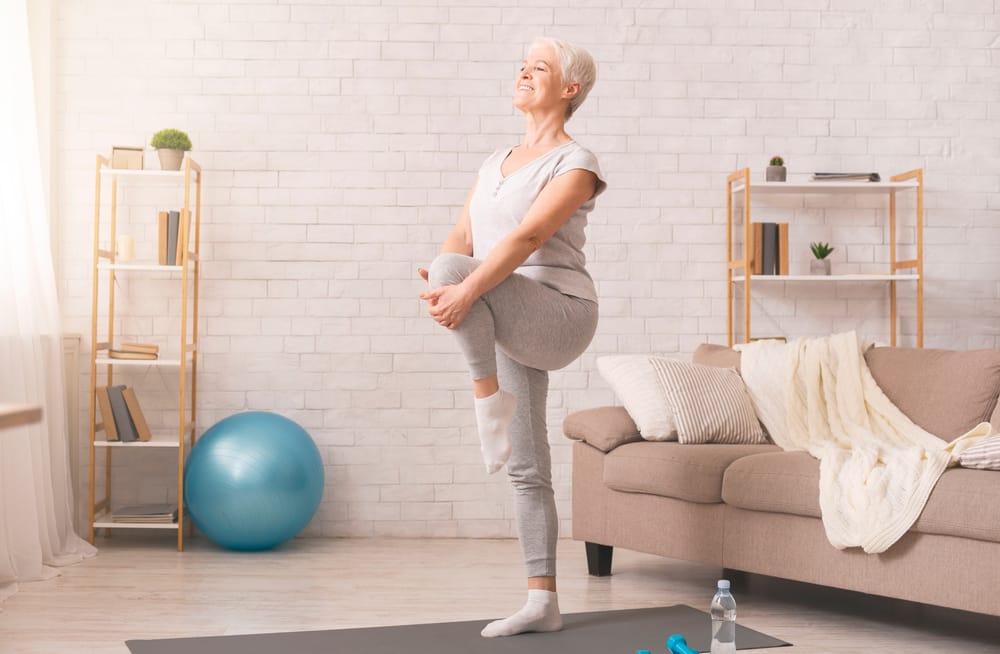
Staying active after 70 doesn’t require running marathons or lifting heavy weights. In fact, the best exercises for older adults are often the most gentle ones—those that protect joints while strengthening muscles and improving balance. According to the National Institute on Aging (NIA), even small, consistent movement can reduce stiffness, lower blood pressure, and improve overall mood. The key is choosing exercises that feel good on your body but still challenge stability and flexibility. Here are the best low-impact activities to keep you strong, mobile, and confident well into your later years.
Walking for Endurance and Heart Health
Walking remains one of the most underrated yet effective exercises for seniors. It’s free, requires no special equipment, and can be done almost anywhere. Daily walking helps maintain bone density, improve cardiovascular function, and stabilize mood. Starting with short 10-minute strolls and gradually increasing distance helps build stamina without strain. For added benefit, walk on softer surfaces like grass or tracks and wear cushioned shoes designed for support and balance.
Chair Yoga for Flexibility and Circulation
Chair yoga allows you to experience the flexibility benefits of traditional yoga without needing to get down on the floor. Programs like SilverSneakers Yoga focus on slow, guided movements that promote blood flow and range of motion. Gentle twists, arm lifts, and leg stretches improve joint mobility while calming the mind. Research published in the Journal of Geriatric Physical Therapy found that seniors who practiced chair yoga regularly reduced pain and improved sleep quality. This low-impact exercise can be done at home, at senior centers, or even while watching TV.
Water Aerobics for Joint Relief
Water-based workouts are among the most joint-friendly exercises for older adults. The buoyancy of water supports your weight, reducing stress on your hips, knees, and back. According to the Arthritis Foundation, water aerobics can improve strength and cardiovascular endurance without painful impact. Classes often include light resistance tools, such as foam dumbbells, to engage muscles. The water’s natural resistance challenges every movement—helping tone the body while soothing inflammation. Many community pools and fitness centers now offer senior-specific aquatic programs.
Resistance Band Training for Strength
Building strength doesn’t mean lifting heavy dumbbells. Resistance bands are affordable, portable, and safe tools that help maintain muscle tone and bone health. Exercises like seated rows, bicep curls, and leg presses can be done with bands while sitting or standing. Gradually increasing tension over time helps build strength safely. Strong muscles protect joints, improve posture, and reduce the risk of falls.
Tai Chi for Balance and Calm
Often described as “meditation in motion,” Tai Chi combines slow, flowing movements with deep breathing and focus. Tai Chi significantly reduces fall risk in adults over 65 by improving balance and proprioception. It also lowers blood pressure and promotes mental clarity. Many local YMCAs, senior centers, and community programs offer classes designed specifically for beginners. Practicing just 20 minutes a day can improve coordination and inner peace while keeping your body agile.
Pilates for Core Stability
Pilates focuses on strengthening the body’s core—the muscles around your abdomen, hips, and back. Maintaining core stability helps seniors stay upright and reduce back pain. Pilates improves spinal alignment, balance, and muscle tone without strain. Mat-based and chair-supported classes are ideal for older adults with limited mobility. When done consistently, Pilates enhances posture, reduces stiffness, and helps seniors move with greater confidence and control.
Stretching for Everyday Mobility
Simple daily stretching routines can make daily tasks—like reaching, bending, or turning—easier and more comfortable. Focus on major muscle groups: calves, hamstrings, hips, shoulders, and neck. Gentle morning stretches boost circulation and prevent stiffness after sleep, while evening stretches release tension. Holding each stretch for 20–30 seconds is enough to improve flexibility over time. Avoid bouncing or pushing too hard; comfort and consistency matter more than intensity.
Making Movement Part of Daily Life
The best workout is the one you’ll actually do. Incorporating low-impact movement into daily routines—like gardening, dancing, or walking a pet—keeps your body engaged naturally. Experts from the National Council on Aging emphasize that regular movement, even in short bursts, improves longevity and quality of life. Finding enjoyable activities increases the likelihood of sticking with them long-term. Whether it’s a morning walk or an afternoon stretch, consistent effort leads to strength and independence well beyond 70.
The Power of Gentle Consistency
You don’t have to push your limits to stay fit after 70—you just have to move regularly. Low-impact exercises protect joints, maintain muscle strength, and enhance balance without risk of injury. The secret is not intensity but consistency. A few minutes of intentional movement each day can transform how you feel physically and mentally. Staying active is less about fitness goals and more about freedom—the freedom to live life on your terms.
What low-impact activity helps you feel your best? Share your favorite routines or tips in the comments—your ideas might inspire others to stay active too.
You May Also Like…
- 8 Foods Seniors Should Drop ASAP to Protect Heart Health
- Senior Communion: Why Belonging Beats Perfect Health in the Golden Years
- How New Prescription Drug Pricing Laws Will Affect Older Adults
- Unexpected Proof That Active Learning Helps You Stay Healthier After Retirement
- Why Your Routine Health Check Might Be Missing These Early Warning Signals

Teri Monroe started her career in communications working for local government and nonprofits. Today, she is a freelance finance and lifestyle writer and small business owner. In her spare time, she loves golfing with her husband, taking her dog Milo on long walks, and playing pickleball with friends.
Read More


I like finding the hidden costs in personal finances. Hidden costs are those costs that…

Whether it is an influencer on Reddit or YouTube or professional traders and institutions…

We never really value our health until it fails us. And then we find out…

For millions of retirees, Medicare Advantage plans seem like the perfect solution–affordable premiums, bundled benefits,…
With the economy slowing, everyone is looking to cut back in many ways. Some people…

Treat yourself. We see this advice all of the time. And yet, it's all too…
Comments