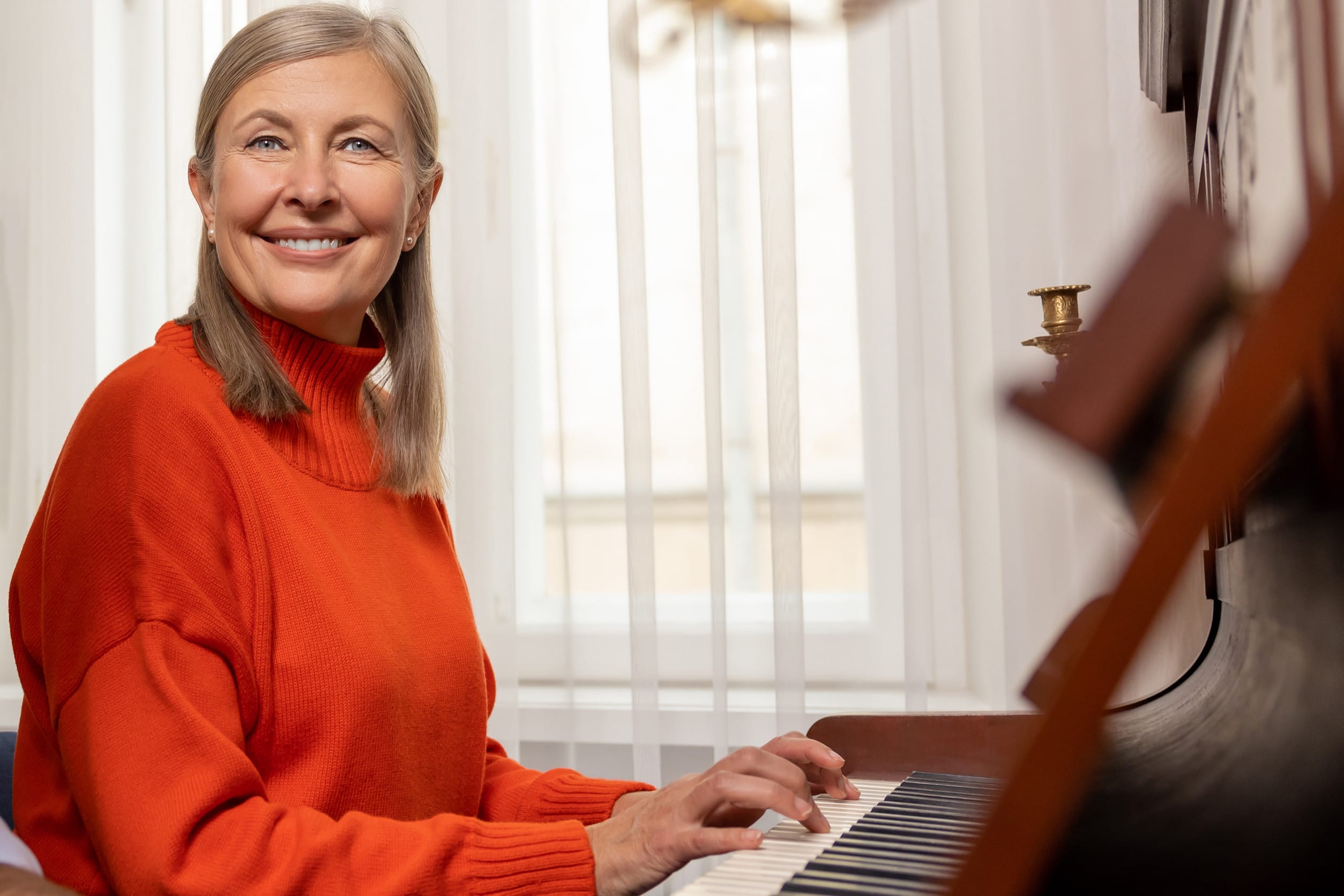
Retirement isn’t just about relaxing—it’s about staying sharp, curious, and engaged. Active learning—taking classes, learning new skills, or even picking up a hobby—has powerful effects on both physical and mental health. Lifelong learners experience slower cognitive decline, lower stress, and even improved mobility. The act of challenging the brain builds resilience in ways that golf and television can’t match. In fact, your next great investment might not be financial—it’s educational.
Learning Keeps the Brain Young
Neuroscientists say the brain thrives on novelty. When you learn something new—whether it’s a language, musical instrument, or skill—your brain forms fresh connections, strengthening memory and problem-solving. Passive entertainment fades fast; active engagement rewires longevity. Mental fitness is as vital as physical.
Emotional Health Rises With Curiosity
Boredom and isolation often lead to depression after retirement. Learning restores purpose and excitement, giving each week structure and meaning. Group classes foster connection, while solo study fuels confidence and pride. Mastering new challenges triggers dopamine—the brain’s “feel-good” chemical—reducing anxiety and boosting self-esteem. Curiosity is the antidote to complacency.
Physical Benefits Few Expect
Cognitive engagement doesn’t just sharpen the mind—it supports the body. Active learners report better sleep, lower blood pressure, and improved balance. Many learning environments, from dance lessons to gardening workshops, blend movement with mental stimulation. Even academic courses reduce sedentary habits by encouraging routine and goal-setting. A strong mind inspires a stronger body.
Technology Opens New Doors
You don’t need a campus to stay curious. Platforms like Coursera, GetSetUp, and Oasis Everywhere offer free or low-cost courses tailored for older adults. Virtual classrooms let retirees learn from home, at their own pace. From history to finance to photography, options are endless. Technology turns the world into your lifelong university.
Learning Strengthens Social Ties
Joining study groups or local classes introduces like-minded peers, replacing workplace networks that many lose after retiring. Shared goals and discussions spark friendships rooted in growth, not nostalgia. Social learning builds accountability and joy, reducing loneliness. Every new subject is also a gateway to a new community.
It’s Not About Degrees—It’s About Growth
The point isn’t another diploma—it’s staying engaged and adaptable. Learning keeps identity evolving, countering the “decline” narrative often tied to aging. Whether you’re exploring art, science, or spirituality, growth fosters optimism and resilience. Lifelong learners age with purpose, not passivity.
Start Small, Stay Consistent
Begin with one topic that sparks interest—then build momentum. A library lecture, museum workshop, or online course can rekindle curiosity quickly. The secret isn’t intensity—it’s consistency. Like exercise, learning pays dividends over time. The best class is the one that keeps you coming back.
Knowledge Is Preventive Medicine
Staying mentally active protects against cognitive decline, depression, and even chronic illness. Education builds self-efficacy—the belief that you can manage life’s challenges—which translates into better health habits. The more you know, the longer and better you live. Retirement isn’t an end—it’s enrollment in your next chapter.
What’s one new skill or subject you’ve always wanted to try? Share your learning goals below and inspire others to grow with you.
You May Also Like…
- Many Boomers Are Underinsured — 5 Coverage Gaps That Hurt Most
- Why Some Boomers Are Loving Life More Later Than Ever Before
- Why Emergency Rooms Are Quietly Avoiding Senior Patients
- What Happens When Medicare Refuses to Cover the Doctor You’ve Seen for Years
- Why Your Routine Health Check Might Be Missing These Early Warning Signals

Teri Monroe started her career in communications working for local government and nonprofits. Today, she is a freelance finance and lifestyle writer and small business owner. In her spare time, she loves golfing with her husband, taking her dog Milo on long walks, and playing pickleball with friends.
Read More


Your life is going to change a lot after retirement. Of course, how drastically it…

For some people, New Year’s Day is just another day to make promises they probably…
More investors are seeking control and tax benefits of ETFs. And the rising tide of…

If the company that you work for has a 401k, you should take advantage of…

Retirement law is supposed to protect people. It’s meant to ensure that, after decades of…

Prices are rising at an alarming rate, making it increasingly difficult for households to stay…
Comments