When something breaks at home, the temptation is to choose the cheapest fix. Retirees on fixed incomes often look for short-term savings, especially on maintenance. But some cut-rate repairs create bigger problems that cost thousands later. What looks like a bargain today may become a budget-buster tomorrow. Here are eight “cheap now, expensive later” home repairs to avoid.
1. Patch Roofing Instead of Replacing It
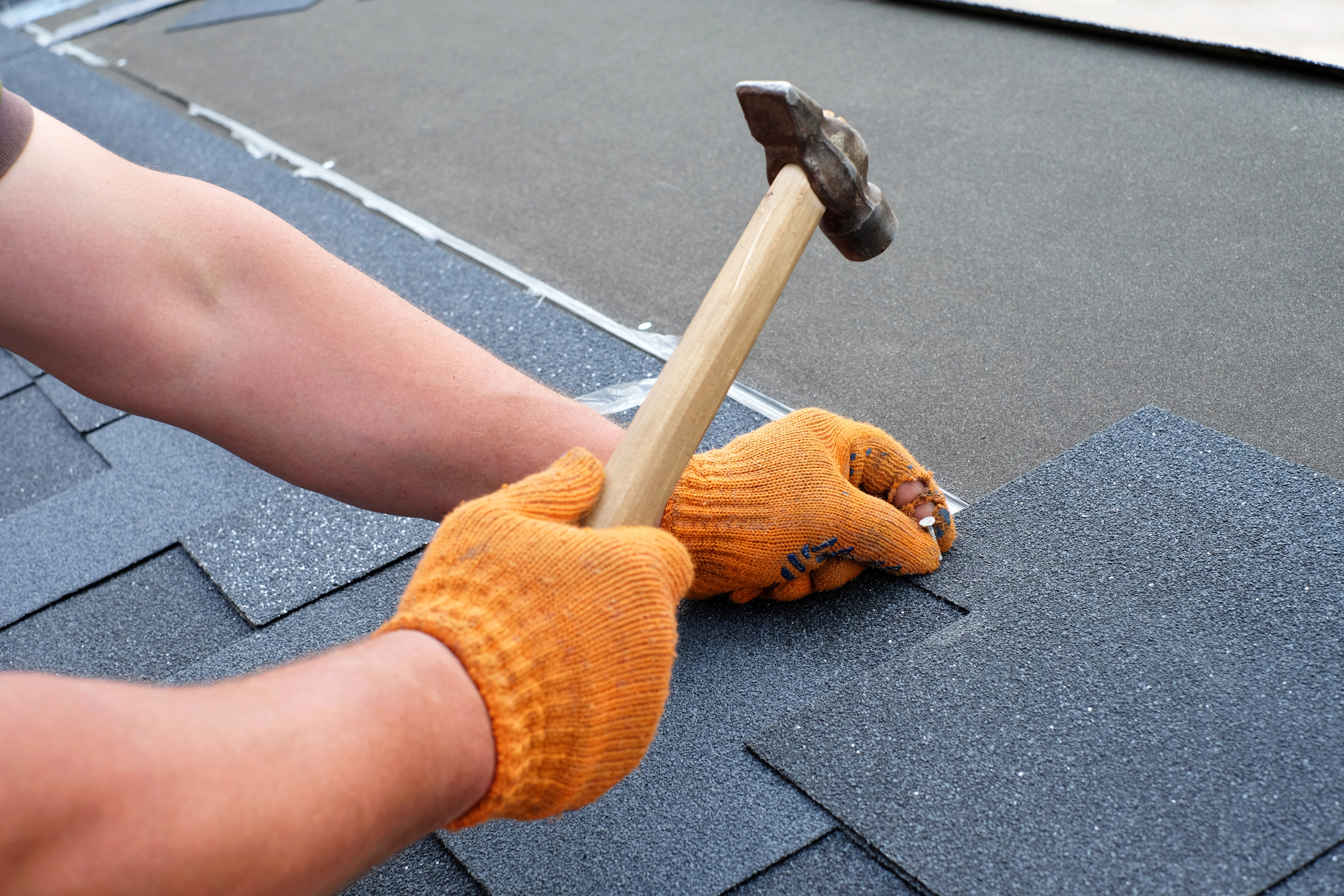
Throwing a patch on a leaky roof might stop water for a season, but it won’t last. Water damage spreads quickly into insulation, ceilings, and walls. A full roof replacement is expensive upfront, but it prevents far larger repairs. Retirees who delay often face mold remediation bills. Roofing shortcuts rarely pay off.
2. Ignoring Foundation Cracks
Hairline cracks might seem minor, but foundations shift over time. Cheap patch jobs rarely address underlying soil or structural issues. Left unchecked, cracks widen and destabilize walls and floors. Retirees may end up with repair bills five to ten times higher. Proper inspections and reinforcements are worth the cost.
3. Using Low-Grade Plumbing Materials
Cheaper pipes or fittings may save a few dollars during a repair, but they often fail sooner. Leaks, bursts, and water damage multiply costs down the road. Retirees who invest in durable copper or PEX piping avoid repeated expenses. Plumbing failures are messy, costly, and preventable with better materials.
4. Painting Over Mold or Water Damage
Covering stains with paint seems like a cheap solution. But untreated moisture or mold keeps growing behind walls. Repairs become far more invasive when damage spreads. Retirees should fix the source of leaks before painting. Cosmetic fixes never solve hidden water problems.
5. Skipping Gutter Replacements
Old or clogged gutters cause water to pool around foundations. Replacing gutters costs a few hundred dollars, but ignoring them can lead to structural damage worth thousands. Retirees sometimes overlook gutters as “optional.” In reality, they’re critical to protecting the entire home. Water mismanagement is always expensive.
6. Choosing Bargain HVAC Repairs
Furnaces and air conditioners break at inconvenient times, and cheap fixes seem appealing. But temporary repairs often lead to repeat breakdowns. Retirees may spend more on repeated service calls than on proper replacements. Efficient systems also lower utility bills. Skimping on HVAC repairs means paying more in the long run.
7. Overlooking Electrical Issues
Replacing outlets or wiring with cheap, unlicensed work can be dangerous. Electrical shortcuts risk fires and costly damage. Retirees should prioritize licensed electricians over bargain fixes. Safe wiring is an investment in both property and personal safety. Cheap electrical work is one of the most expensive mistakes possible.
8. Settling for Low-Quality Flooring Repairs
Flooring issues, like warped boards or cracked tiles, are often patched cheaply. But low-quality repairs can worsen damage and even create tripping hazards. Retirees benefit from full replacements with durable materials. Floors take daily wear, so shortcuts rarely last. Flooring mistakes multiply costs over time.
Why Cutting Corners Creates Bigger Bills Later
Cheap fixes might feel like smart budgeting, but they often lead to disasters. Retirees who patch roofs, ignore gutters, or skimp on electrical work pay much more later. The better choice is fixing problems properly the first time. Preventive investment saves money, stress, and safety risks. In retirement, the smartest savings come from avoiding shortcuts.
Have you ever chosen a cheap repair that ended up costing more later? What home fix taught you the most expensive lesson?
You May Also Like…
- 7 Home Repairs That Disqualify You From Senior Energy Assistance
- The Most Expensive Home Repairs People Didn’t See Coming
- Your Guide to Saving Money on Essential Home Repairs
- Are Fake Home Repair Calls Targeting Older Adults Now More Than Ever?
- Top 10 Ways to Save Money on Car Maintenance

Teri Monroe started her career in communications working for local government and nonprofits. Today, she is a freelance finance and lifestyle writer and small business owner. In her spare time, she loves golfing with her husband, taking her dog Milo on long walks, and playing pickleball with friends.
Read More

Having a car has become a necessity for the majority of people over the last…

President Gerald Ford labeled inflation “public enemy number one” when it climbed to 20 percent…


It's one of the worst feelings you can ever have. That moment when you see…

It's that time of year when people are looking to improve their finances as…
I understand the argument behind the advice of putting at least a 20% down payment…

If you can do a home upgrade and save money while doing so, you will…
Comments