
• Skip to primary navigation
  • Skip to main content
  • Skip to primary sidebar
Home
About Us Contact Us Advertising
Articles
Budgeting Debt Frugal Insurance Investing Making Money Retirement Saving Money
Tips
Money Saving Tips Trash Audit
Make Money Forums Blogs
Create a Blog Control Panel All Entries All Blogs
Tools
Calculators Prescription Drug Coupons Online Savings Accounts Test Your Knowledge Financial Directory Credit Cards

SavingAdvice.com Blog

Bridging the gap between saving money and investing

Subscribe


Join Now or Login

  • Home
    • Advertising
  • Tips
    • Money Saving Tips
    • Recycle, Reuse and Repurpose
  • Make Money
  • Credit Score Guide
  • Forums
  • Blogs
    • Create a Blog
  • Tools
  • Financial Basics
    • Back to Basics: Saving Money
    • Back to Basics: Beginners Guide to Retirement
    • Back to Basics: What Every Child Under 10 Should Know About Personal Finance
    • Back to Financial Basics: Investing In Stocks

6 Common Budget Apps That Secretly Use Your Data

July 26, 2025 by Riley Jones
budget apps
Image source: Unsplash

Budgeting apps are everywhere, and for good reason. They promise to help you track spending, reduce waste, and gain control over your finances. But what most users don’t realize is that many of these tools have a business model that doesn’t rely on your subscription fee. It relies on you. Or more specifically, your data.

From your purchase habits to your financial goals, budget apps collect a surprisingly intimate profile of your life. And in many cases, they turn around and sell that information to advertisers, data brokers, or even financial institutions looking to target you.

1. Mint: Convenience at the Cost of Privacy

Once a leader in the budget app world, Mint was a go-to for millions of users until it shut down in 2024 and urged users to switch to Credit Karma, another Intuit-owned platform. But even before that, privacy experts had flagged Mint for its data practices.

Mint links directly to your bank accounts, categorizing your transactions with impressive ease. But all that data fed a much larger machine. Intuit used the information to power marketing strategies, product development, and data sales. Many users didn’t realize that their budgeting behavior was helping Intuit sell them financial products, like loans, credit cards, and insurance.

2. Rocket Money: Your Subscriptions Aren’t the Only Thing Being Tracked

Rocket Money (formerly Truebill) gained popularity by offering to cancel unused subscriptions, track spending, and even negotiate bills. But buried in its privacy policy is language that allows the app to collect and share information with third parties for “marketing purposes.”

This includes transaction data, bill payment history, and your interactions with partner services. Some users have reported an uptick in financial product ads shortly after linking their bank accounts to Rocket Money—a red flag that suggests your data is doing more than just budgeting behind the scenes.

3. EveryDollar: Clean Interface, Cloudy Data Practices

Created by the Ramsey Solutions brand, EveryDollar is marketed as a faith-based, common-sense budgeting solution. While its paid version offers more robust features and less data sharing, the free version may still collect data that can be used for marketing.

Because the app’s terms of service allow for the collection of “non-personal” usage data, you could still be feeding a profile that advertisers can use to find people just like you. Even anonymized data has become valuable to marketers who want to target by income range, financial goals, or spending behaviors.

4. Goodbudget: Envelope Budgeting with a Side of Tracking

Goodbudget is based on the traditional envelope method—assigning portions of your income to specific spending categories. It’s a useful tool for discipline-focused savers, and it has a loyal following.

But even simple apps have fine print. While Goodbudget isn’t as aggressive in data sales as some others, it still collects metadata, app usage behavior, and device information. That may seem harmless—until you realize how easily it can be used to infer income, lifestyle, and even political leanings based on spending patterns. And because it integrates with your browser and email for syncing, your data footprint might be larger than expected.

5. Simplifi by Quicken: Premium Pricing Doesn’t Guarantee Privacy

You’d think a paid app like Simplifi would have less incentive to sell your data. After all, you’re the paying customer—shouldn’t that mean your data is safe?

Unfortunately, that’s not always true. Simplifi’s terms of service allow the use of financial data for internal marketing and product development. While they claim not to sell personally identifiable information, the app may still use your behavior to fine-tune ads or promotions from third-party partners. This creates a murky line between “internal use” and profiling that benefits advertisers.

6. YNAB (You Need A Budget): Better Than Most, But Not Perfect

YNAB is often praised for its privacy-first approach. It doesn’t sell data, its business model is based on subscriptions, and it has clear, user-friendly privacy policies. But even here, there are a few things to be aware of.

Like most digital tools, YNAB uses cookies and third-party services for analytics. This includes Google Analytics and marketing pixels that track how you interact with the site and app. While this is less invasive than financial data sharing, it still contributes to an advertising ecosystem where your behavior is observed and potentially monetized.

Why These Apps Are So Hungry for Data

Budgeting apps, especially free ones, often rely on data monetization to stay afloat. This includes selling:

  • Spending trends in banks and retailers

  • Credit behavior to financial advertisers

  • Demographic targeting for political campaigns or insurance companies

Because financial data is especially revealing, it’s incredibly valuable. Advertisers will pay a premium to reach someone who’s actively budgeting, managing debt, or saving for a home. The apps don’t have to sell your name. They just have to sell access to “people like you.” And once you’ve linked your bank accounts or credit cards, the app has a complete picture of your habits, priorities, and struggles.

What You Can Do to Protect Yourself

If you’re already using one of these apps, don’t panic, but don’t stay passive either. Here are a few ways to take control:

  • Read the privacy policy (yes, the whole thing)

  • Opt out of marketing and data sharing when possible

  • Use anonymized or read-only versions of your financial data where available

  • Consider paid services with strong privacy commitments

  • Regularly review your app permissions in both iOS and Android

You might also consider budgeting the old-fashioned way, using a spreadsheet or an offline tool. No app can sell what it doesn’t know.

Free Budgeting Isn’t Really Free

In a world where your personal data is more valuable than ever, free budgeting apps often come with invisible price tags. From selling your spending habits to profiling your lifestyle, these tools can compromise your financial privacy in subtle but significant ways.

The apps listed here aren’t inherently bad, but they’re part of a digital economy that profits from your behavior. And the more financially vulnerable or budget-conscious you are, the more appealing your data becomes to advertisers.

Have you ever caught an app sharing more than it should? What’s your go-to budgeting method now?

Read More:

7 Popular Apps That Are Still Selling Senior Data

8 Places Your Personal Data Is Sold Without You Knowing

Photograph of Riley Jones, District Media writer.
Riley Jones

Riley Jones is an Arizona native with over nine years of writing experience. From personal finance to travel to digital marketing to pop culture. When she’s not writing, she’s spending her time outside, reading, or cuddling with her two corgis.

Read More

  • How to Send Your Kid to Summer Camp on a Budget

    I love The Simpsons because I tend to think of it as an animated satire…
  • budgeting app privacy
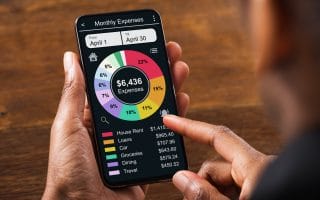
    9 Budget Apps That Don’t Sell Your Data (According to Their Policies)

    Budgeting apps promise control, clarity, and accountability, but there’s often a hidden catch—your financial data.…

  • financial blunders
    10 Common Financial Blunders

    There are plenty of steps that you can take to help you become financially successful,…

  • monthly budget, saving money
    10 Unused Services That Are Draining Your Monthly Budget

    You may not notice it when checking your bank account once or twice a month,…

  • netflix, streaming platform
    10 Silent Budget Killers Hiding in Your Monthly Subscriptions

    You signed up for that streaming trial months ago and forgot to cancel. You’re still…

  • How I Bought a Car for Cash

    It's no secret that vehicles are depreciating assets. The second you buy a new car…

Reader Interactions

What did you think about this article?
1 Star2 Stars3 Stars4 Stars5 Stars (No Ratings Yet)
Loading...

Comments

    Leave a Reply Cancel reply

    Your email address will not be published. Required fields are marked *

    Primary Sidebar

    Most Popular

    • Articles
    • Tips
    • Make Money
    • Credit Score Guide
    • Forums
    • Blogs
    • Tools
    • About
    • Contact

    Subscribe to Our Newsletter
    Your subscription could not be saved. Please try again.
    Your subscription has been successful.
    Copyright © 2026 SavingAdvice.com. All Rights Reserved.
    • Privacy Policy