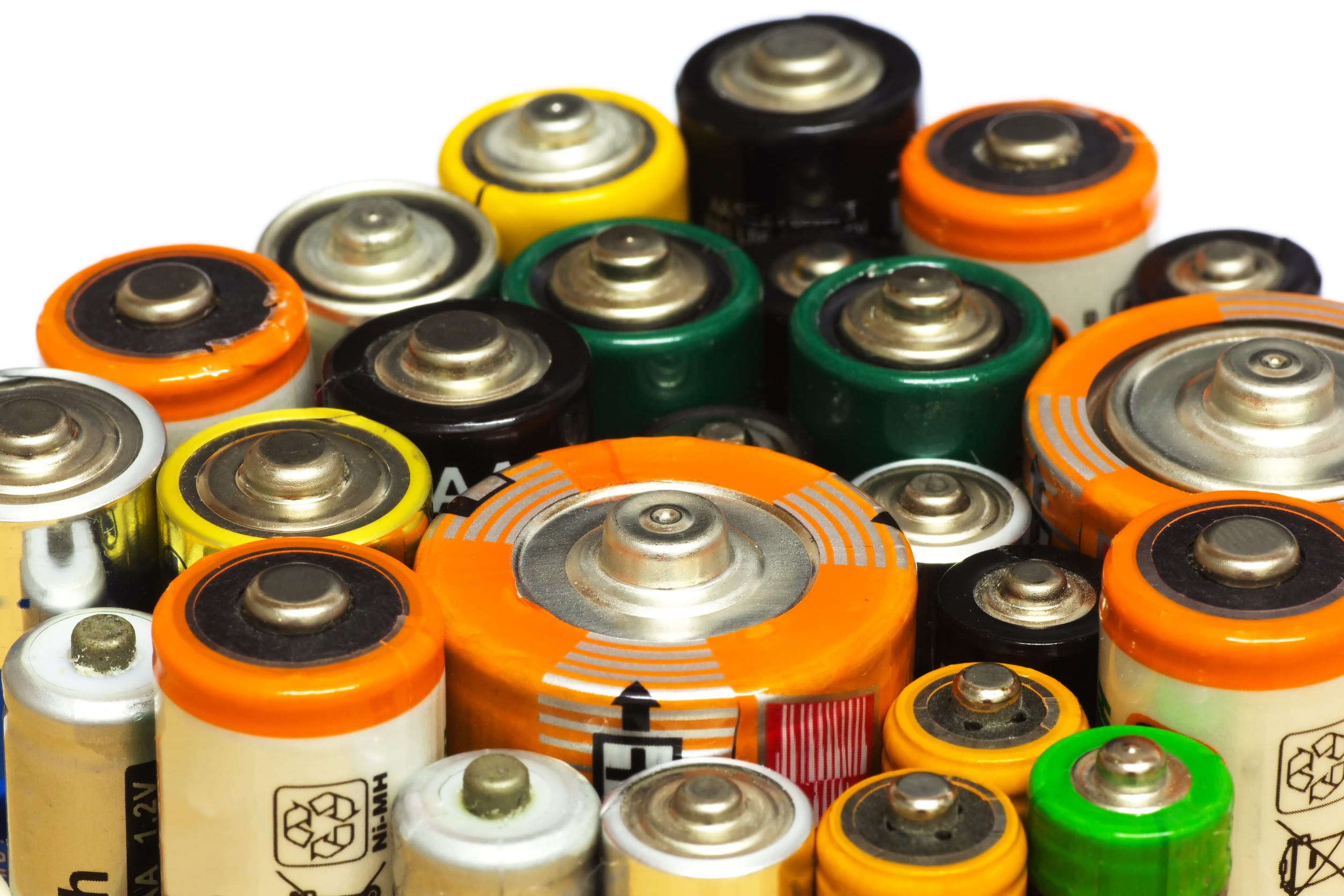
We all toss things in the trash without a second thought—but did you know some household items can spark fires, pollute water, or even explode if thrown out carelessly? Disposing of dangerous common items improperly can harm sanitation workers, contaminate the environment, and cost you in fines. To keep your home and community safe, it’s vital to know which items need special handling. Don’t make the mistake of just tossing these eight items.
1. Batteries
Batteries—especially lithium, lead-acid, and rechargeable types—are among the most dangerous household items in your trash. They contain heavy metals like cadmium, mercury, and lead, which can leak into soil and contaminate groundwater. Even worse, damaged or shorted lithium batteries can overheat and cause fires inside garbage trucks or carts. Instead of tossing them, take used batteries to a recycling drop-off like Call2Recycle or your local hazardous waste center. This small step helps protect workers, landfills, and the planet.
2. Paint and Solvents
Leftover paint, paint-thinners, and solvents fall into the hazardous category—tossing them in the trash risks chemical leaks and soil contamination. Muffled fumes and explosive solvents can harm sanitation staff and pose environmental dangers. Water-based paints can sometimes be dried out and disposed of, but oil-based versions require special collection. Contact your local household hazardous waste (HHW) site to ensure proper disposal. Always store them in their original containers with the label attached until you’re ready.
3. Aerosol Cans & Liquids
Aerosol cans—like spray paints, hairsprays, or cooking oils—are pressurized and can explode under heat or puncture. Liquids like leftover cooking oil or cleaning chemicals can leak into landfills, harming wildlife and corroding machinery. Most municipalities prohibit aerosol disposal in regular trash. Instead, take them to HHW drop-off days or recycling centers that accept pressurized containers. Never try to puncture or incinerate them yourself.
4. Electronics & E-Waste
Old phones, laptops, microwaves, and similar household items contain lead, mercury, cadmium, and flame retardants. Tossing them pollutes soil and water, and valuable materials are lost. Many retailers, local municipalities, and events offer e-waste recycling, while working electronics can be donated. At the very least, dispose of them through designated programs. Recovering parts helps conserve resources and avoids ticking health and environmental time bombs.
5. Medications and Sharps
Expired pills or needles left in your trash or flushed down the toilet become water hazards and pose overdose risks to curious children or pets. The DEA’s National Take-Back Day, pharmacy drop boxes, or mail-in kits offer safe disposal. Never flush meds unless the label explicitly directs it. Seal sharps in puncture-proof containers before depositing at collection sites. Protect your home—and your neighbors downstream.
6. Fluorescent Light Bulbs & Mercury Thermostats
CFL bulbs and older thermostats contain mercury—a potent neurotoxin—making them dangerous household items if broken in the trash. When broken, they release harmful vapors and contaminate the oil. Many hardware stores and municipal centers have dedicated take-back and recycling programs for these. Always store them safely in their original packaging or rigid containers until disposal. This protects both human health and wildlife habitats.
7. Paint Rags & Oily Cloths
Rags soaked in oil-based paints or wood stains might seem harmless, but they can self-ignite in landfills if left bunched together. That spontaneous combustion can spark fires at home or in waste trucks. Lay them flat to dry thoroughly, then dispose of them in sealed metal cans at HHW collections. Alternatively, soak them in water-based cleaner before discarding. A small change can eliminate a serious fire hazard.
8. Gasoline & Automotive Fluids
Old gasoline, brake fluid, and antifreeze are classic toxic household items that should never be poured down the drain or dumped in the trash. These liquids contaminate groundwater, storm drains, and soil. Store in sturdy, labeled containers and take them to hazardous waste drop-off centers. Many auto shops or recycling centers accept used fluids for free. Doing so safeguards public health and local ecosystems.
Safety and Sustainability Go Hand in Hand
Each of these household items—from batteries to e-waste—can pose serious risks if trashed improperly. Ensuring safe disposal protects sanitation workers, stops pollutants from entering our water and soil, and supports sustainable reuse. Start by separating hazardous items, storing them safely, and using local HHW programs or retailer take-back bins. Your small efforts mean a cleaner, safer environment for everyone.
Have you ever dealt with a hazardous household item and wondered how to dispose of it? Share your experiences or ask questions in the comments below!
Read More
The 6 Most Dangerous Medications Still Prescribed to Seniors
The Dangerous Lie About Downsizing That’s Burning Retirees

Drew Blankenship is a seasoned personal finance and lifestyle writer with more than a decade of professional writing experience crafting clear, actionable advice that helps savers and investors over 40 protect their wealth and make smarter everyday decisions. His bylines appear regularly on SavingAdvice.com, CleverDude.com, and other respected outlets, where he draws on deep industry knowledge to deliver practical insights on cost control, smart spending, and long-term financial security.
Read More


There are plenty of steps that you can take to help you become financially successful,…

When it comes to owning a home, sometimes it's hard to look past the initial…

When I was younger, I was a figure skater. To get the rust off of…

The best things in life may be unnecessarily expensive for a lot of avoidable reasons.…

Whether you need to boost your budget quickly or simply want to capture every potential…
When people think of credit bureaus, they usually think there are only 3: Experian, Equifax,…
Comments